 Emergency:
  WhatsApp

Subscribe to our
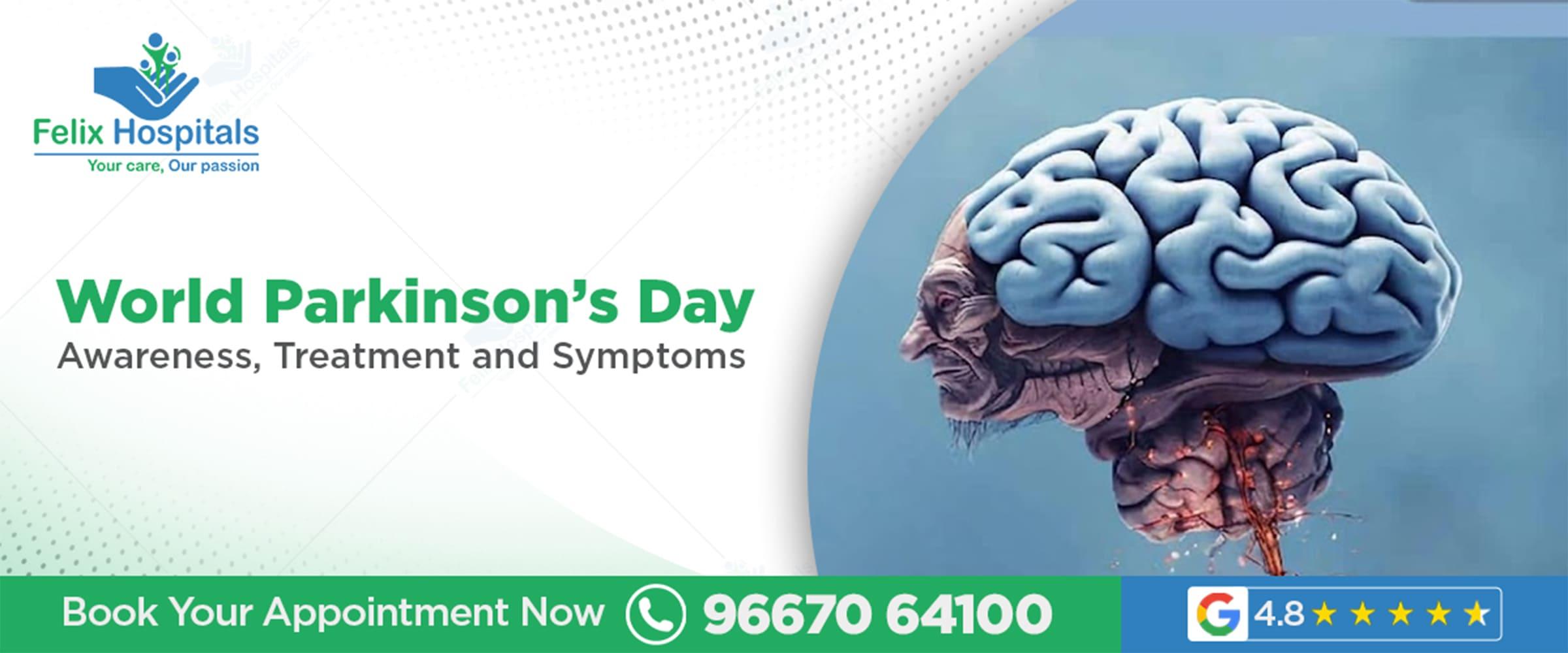
The World Parkinson Day is celebrated on April 11 every year to create awareness about Parkinson disease which is a progressive neurological disorder that impacts on movement, balance and coordination. Although it has millions of victims all over the world, not much is known about it, and many are only diagnosed with the condition when the symptoms have reached advanced stages.
Global health estimates show that over 10 million individuals are currently living with the disease of Parkinson, and the rate of occurrence of the disease is continuously rising because of the ageing population. Over the last few years, the number of cases in India has also increased dramatically and, therefore, the importance of early awareness and timely treatment is now higher than ever before.
Educating the population on symptoms, risk factors, and treatment alternatives promotes prompt diagnosis and improved management of the disease. The quality of life can be highly enhanced with the access to specialized care provided by the Best Neurology Hospital in Noida, which will allow the patients to stay in the state of independence longer.
Noticing tremors, stiffness, or slow movement in yourself or a loved one? Early diagnosis makes a major difference. Call +91 9667064100 to consult a neurologist today.
Knowing What is World Parkinson's Day can help to emphasize the need to be aware and to detect early.
World Parkinson day is celebrated on the 11th of April, which is the birthday of the physician who first defined the disease, Dr. James Parkinson, in 1817. The day is dedicated to:
Globally, the awareness strategies aim at the identification of early signs and enhancement of access to treatment and support mechanisms.
To know the effect of the disease, it is necessary to understand Parkinson disease.
Parkinsonism is a neurodegenerative disorder of the nervous system and motor movement. It comes about when nerve cells in the brain that produce dopamine begin to degenerate gradually.
Dopamine is a chemical which causes:
However, 60-80 percent or more of the neurons that produce dopamine can be gone by the time the person shows symptoms, thereby making it difficult but extremely important to detect them early.
Parkinson disease is chronic and the symptoms get better as time passes by without treatment.
Early intervention in PD is possible by identifying the signs and symptoms of this condition early.
The typical early symptoms are:
The symptoms could be mild early and confused with normal aging, making the diagnosis take long.
Understanding causes and risk factors of Parkinson's disease helps identify vulnerable individuals.
The cause has not been clearly known, but it has been seen to be as a result of many:
The risk is high beyond the age of 60.
There are mutations in some genes that make the person susceptible.
Risk may be added by exposure to pesticides and toxins.
Parkinson is more prevalent 1.5 times in men than in women.
Recurrent head injury can predispose to it.
The majority of cases are caused by both genetic and environmental factors.
It is necessary that it should be diagnosed early and correctly.
Knowledge of treatment of Parkinson disease is useful in assisting the patients to cope with the symptoms.
Therapeutic regimens are treated individually depending on symptoms and disease progression.
Lifestyle adjustments play a major role in symptom management.
Helpful changes include:
Exercise has been shown to be helpful in reducing the speed of symptoms and improving the quality of life.
The knowledge of the complications that come with Parkinson disease makes the timeliness of treatment significant.
Some of the possible complications include:
With proper treatment in time, the chances of complications may be lowered.
Knowing when to see a doctor can prevent delayed diagnosis.
See a neurologist in case you observe:
Consultation at an early age helps in management on time and superior results.
The treatment of Parkinson disease includes physical, emotional, and social assistance.
Helpful tips:
When you or a loved one develop the symptoms of Parkinson disease, you should not wait to receive the care.
Early intervention enhances the long term results. Get a neurological consultation by calling +91 9667064100.
World Parkinson Day reminds us about the necessity of awareness, early diagnosis, and continuous support of persons with Parkinson disease.
Recognizing early signs and symptoms of Parkinson's disease, understanding causes and risk factors, and seeking timely treatment at the Best Neurologist in Noida can significantly improve quality of life.
With proper care, lifestyle changes, and medical support, people with Parkinson's disease can lead fulfilling and active lives.
Not always, there are numerous reasons why tremors can take place, however, continuous tremors are to be considered by neurologist.
No cure has been found, but treatment can manage symptoms and retard progress.
The course of disease is different; there are individuals who spend decades with symptoms which can be controlled.
Yes, a fitness regimen increases mobility, balance, and health.
Ans- Yes, it can indicate nerve damage, which may worsen if left untreated. Consulting a healthcare provider is essential.
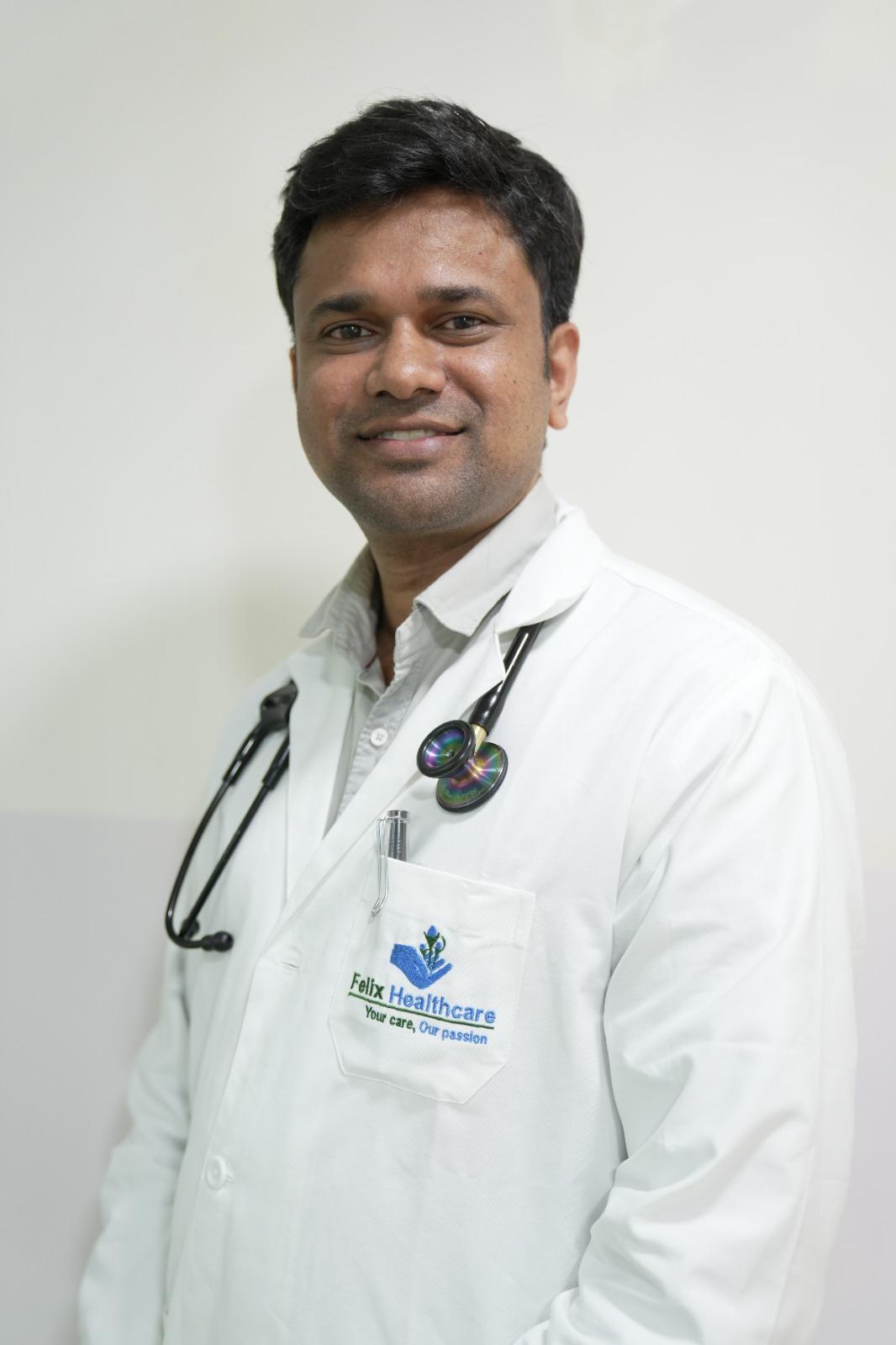
Dr. P. S. Naga Srinivas is a skilled Consultant Neurologist with strong experience in managing various neurological disorders. He follows a patient-focused and evidence-based approach for accurate diagnosis and treatment of both acute and chronic neurological conditions, and is recognized among the Best Neurologists in Noida.
Advanced neurosurgery improves treatment for brain and spine disorders with better outcomes.
ब्रेन स्ट्रोक एक जानलेवा स्थिति है जिसमें मस्तिष्क को रक्त आपूर्ति रुक जाती है। इसके प्रकार, कारण, लक्षण, बचाव और इलाज
Experiencing tingling in your hands or feet? It could signal a nerve-related issue. Consult our expert neurologists at Felix Hospitals to find the cause and get the right treatment today.

Subscribe to our
© Copyright 2026. All Rights Reserved by Felix Healthcare Private Limited
Design and development by :


 +(91)9667064100
 Emergency : +(91)9667064100