 Emergency:
  WhatsApp


Subscribe to our
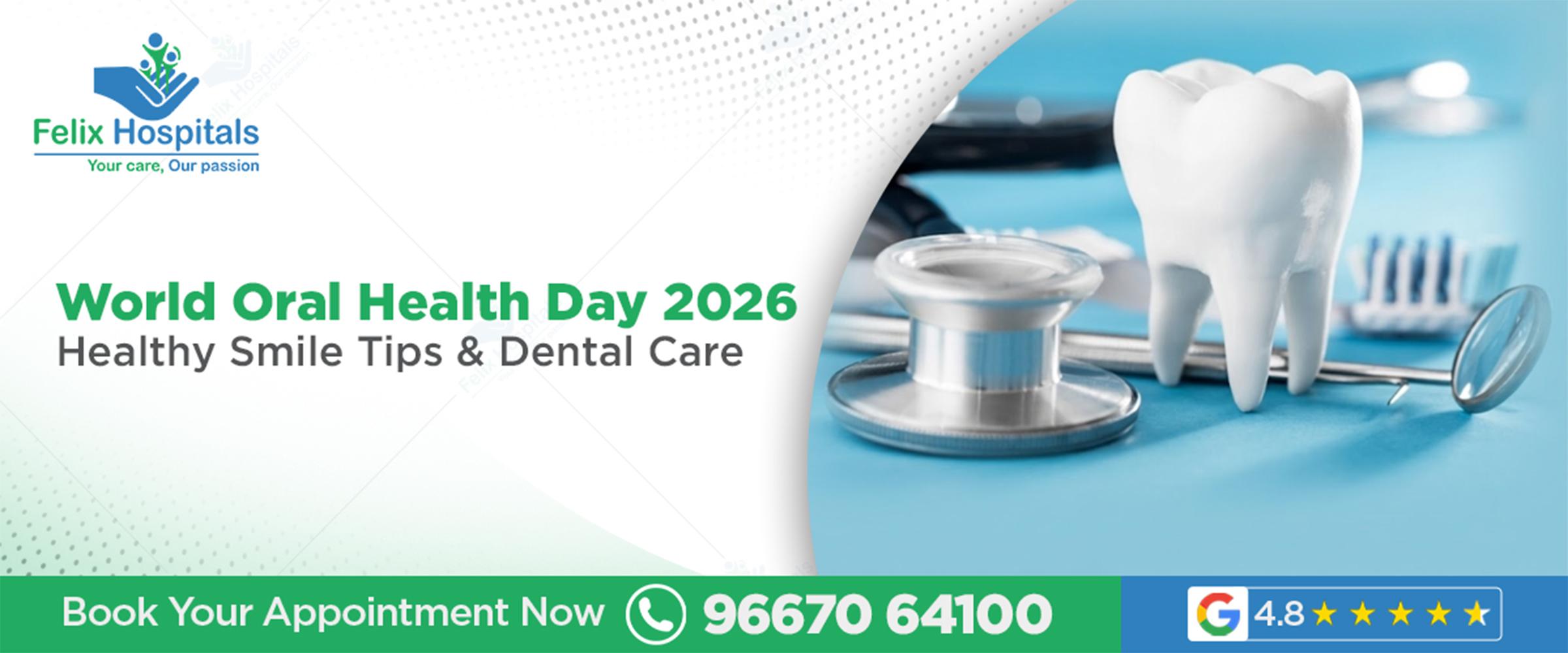
Maintaining good oral hygiene is essential for overall health, and global awareness initiatives like World Oral Health Day 2026 highlight the importance of dental care in everyday life. World Oral Health Day is a worldwide campaign held every year to create awareness on oral hygiene, preventive care and the ways oral health influences general well-being. One of the reminders of why having healthy teeth and gums is not a luxury but a basic component of living well is called on the 20th day of March every year.
Oral health is a neglected concept until one starts to feel or notice the appearance of dental issues. Understanding why oral health is important helps individuals take preventive steps early and maintain healthy teeth and gums throughout life. The bit of bright news is in the fact that the majority of the dental issues can be completely avoided provided one adopts proper habits and makes timely visits to the doctor.
Book Your Dental Check-Up Today. Don't wait for pain to remind you. Schedule your routine dental visit this World Oral Health Day 2026 and take the first step toward a healthier smile — and a healthier you.
Understanding why oral health is important goes beyond just having a bright smile. Dental health has a direct importance on physical and general health including gastrointestinal and even mental health. The mouth is the center of the body, and bacteria accumulate there — if left unchecked — can travel to the bloodstream and affect vital organs.
Key reasons include:
Prevents decay and cavities in teeth
Minimizes gum disease and infections
Aids in correct chewing and digestion
Promotes self-esteem
Helps avoid systemic diseases
The studies have shown that poor oral health is associated with diseases such as heart disease and diabetes, so dental care is the necessary element of health management. Pregnant women with gum disease are also at higher risk for complications.
Following healthy smile tips for everyday care can help maintain strong teeth and healthy gums while preventing dental issues. Good oral hygiene is based on a deceptively easy but daily commitment.
Daily habits include:
Clean teeth two times a day with fluoride toothpaste
Clean teeth daily using floss
Use mouthwash to decrease bacteria
Change the toothbrush after every 3 months
Take in water in adequate amounts so that saliva flow is not compromised
The technique of brushing also counts - it should be very gentle and circular and should take at least two minutes when doing it. Some of the biggest mistakes one commits are rushing through brushing. Regularity of these practices will guarantee oral health which is guaranteed in the long term and also minimize the chances of dental issues to a minimal level.
Understanding common dental problems and prevention helps individuals identify early signs and take corrective action before a minor issue becomes a costly one.
Typical oral health issues are:
Tooth decay (cavities)
Periodontitis (gum disease) and gingivitis
Bad breath (halitosis)
Tooth erosion
Some preventive measures are:
Having good oral hygiene
Restricting acidic and sweet food
Regular dental check-ups
Timely management of minor problems
Its cost is minimal compared to the cost of treatment of developed tooth diseases. An early cavity has to be filled by a mere filling; otherwise, it may develop into a root canal or loss of the tooth.
Recognizing signs of poor oral health is essential for early intervention and preventing complications. Most individuals do not pay much attention to the early symptoms as they think they are mere inconveniences, which are not aware of the fact they mark the onset of an even more severe condition.
Warning signs include:
When brushing, bleeding gums
Persistent bad breath
Tooth pain or sensitivity
Swollen or red gums
Loose teeth
White or dark spots on teeth
When you observe any of this, never delay your check up and make sure that you reach out to your dentist. These symptoms may result in severe oral health problems that need complicated and costly treatment and in some instances may cause extraction of the teeth.
The diet is significant in oral maintenance. Knowing foods that support strong teeth and gums helps strengthen enamel and prevent decay from the inside out.
Recommended foods include:
Milk products that contain high amounts of calcium
Leafy green vegetables
Apples and oranges are some examples of fresh fruits
Nuts and seeds
Plenty of water
Fruits and vegetables, which are crunchy, have the natural ability to scrub the teeth surface and increase the amount of saliva that counteracts the harmful acid. On the other hand, sticky sweetness, soft drinks, and food high in acid are known to erode the enamel with time and thus they need to be taken in moderation.
Adopting habits focused on how to prevent tooth decay and gum disease is key to maintaining oral hygiene across every stage of life.
Preventive steps include:
Reduce the intake of sugar
Brush and floss regularly
Apply fluoride dental preparations
Visit the dentist regularly
Avoid tobacco products
Most of the plaque is removed by proper brushing and flossing thus preventing gum disease to a significant degree. Smoking or chewing tobacco are some of the sure ways to get gum disease, oral cancer and lose teeth, and quitting is one of the most effective choices that a human element makes as far as his or her oral hygiene is concerned.
Knowing when to visit a dentist helps in early detection and treatment of dental issues before they escalate.
You need to visit a dentist in case:
You complain of constant tooth pains
Gums bleed frequently
It is swollen or infected
You have trouble with chewing
Routine check-up is due
Even when you are not experiencing any form of discomfort, professional cleaning will remove tartar, which cannot be attended to by brushing. It is a common recommendation that you should see your dentist at least once a period of six months, but depending on your risk factors, your dentist might have you see him/her every two or three months.
Understanding the importance of oral health for overall well-being highlights how deeply interconnected the mouth is with the rest of the body.
Key impacts include:
Avoids infections
Supports heart health
Improves nutrition
Enhances mental confidence
Enhances improved living standards
Permanent oral pain or loss of teeth may restrict the food options, interfere with sleep, and lead to anxiety and seclusion. On the other hand, a healthy mouth helps to sustain energy, self esteem and capacity to participate in day to day life.
Maintaining a consistent routine is essential when following healthy smile tips for everyday care.
The routine should include:
Brushing in the morning to ensure there are no bacteria left over
Flossing after meals
Bathing the mouth of sweet items
Night brushing before sleep
A soft-bristled toothbrush should be used
These measures provide ongoing prevention of dental issues without giving too much time and cost basis.
Staying hydrated supports the importance of oral health for overall well-being by maintaining saliva production.
The advantages of hydration are:
Washes away food particles
Reduces bacteria growth
Prevents dry mouth
Protects enamel
Maintains oral pH balance
Water has a flimsy but effective contribution to oral hygiene. The added advantage of using fluoridated tap water is that it makes the enamel stronger with each swallow.
Lifestyle choices influence common dental problems and prevention significantly.
The following habits have an impact on oral health:
Smoking and tobacco use
Over-indulgence in alcohol
Poor dietary habits
Irregular oral hygiene
High sugar intake
It is possible to prevent bad habits and, therefore, having better dental health can save significant amounts of money on treating dental disorders later in life.
Following healthy smile tips for everyday care is important across all age groups.
Supervised brushing
Limited sugary snacks
Early dental visits
Regular dental check-ups
Balanced diet
Avoid smoking
Early good habits will guarantee oral health throughout a person's life and minimize chances of expensive oral care in future.
Talk to a Dental Expert TodayHave questions about your oral health? Our specialists are just a call away. Get personalized healthy smile tips for everyday care and start your journey to better dental health. Call Us: +91 9667064100
World Oral Health Day 2026 focuses on the need to ensure good oral health and create awareness concerning the importance of having good teeth. With the help of the basic everyday practices, healthy lifestyle choices, and taking timely dental attention, people can avoid most of the oral health issues. Ensuring that oral hygiene takes precedence over just beautifying the smile, it is also going to play a significant role in ensuring health and well being.
Bleeding gums are one of the most common signs of poor oral health to watch for and usually indicate early-stage gum disease (gingivitis). It is neither ordinary nor can be overlooked. Specifically, brush, floss, and visit the dentist after two weeks in case the bleeding does not stop.
The initial dental appointment of the children should be when a child hits their first birthday or six months after the emergence of the first teeth. It involves regular check-ups after every six months on top of oral care tips for children. So, as soon as your child reports tooth pain or feeling sensitive to sweets or you can see that its discolored, take him or her to a dentist.
Yes. The regular intake of sweeter or more acidic food and beverages preconditions the development of the environment, in which bacteria multiply and erode enamel. Understanding foods that support strong teeth and gums and limiting harmful foods is just as important as brushing and flossing.
A common dental problem is tooth sensitivity which may be caused by worn enamel or exposed roots or a cracked tooth. Apply sensitive toothpaste and avoid very hot, or cold food as well as sweeteners. Visit your dentist in order to exclude a probable underlying cause that will require treatment.
It is never too late. Although certain of the damages such as loss of teeth are non-reversible, a regular daily oral hygiene routine as a method of long-term care prevents the dental issue and helps avoid any further damage to gums and teeth, and drastically change your overall dental background. Your dentist can develop a custom strategy in which he or she will assist you get back on track.
Dr. Aditi Narad is an experienced Dentist and Endodontist with 10+ years of expertise in root canal treatment (RCT), tooth restoration, cosmetic dentistry, crowns, bridges, and comprehensive dental care.
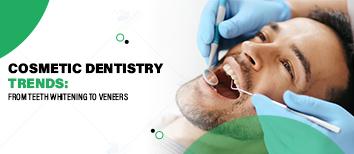
Discover the latest cosmetic dentistry trends, from advanced teeth whitening to natural-looking veneers for a flawless smile.

Cosmetic dentistry is like a magic wand for your smile, blending art and science to make your teeth look and feel their best. It’s not just about fixing problems—it’s about creating a smile that feels like you, only bolder.


Subscribe to our
© Copyright 2026. All Rights Reserved by Felix Healthcare Private Limited
Design and development by :


 +(91)9667064100
 Emergency : +(91)9667064100