 Emergency:
  WhatsApp


Subscribe to our

Winter may bring relief from extreme heat, but it also poses hidden risks to heart health. As temperatures drop, the body undergoes physiological changes that can strain the cardiovascular system, especially in people with existing heart conditions. Understanding heart health in winter is essential for preventing complications and staying safe during the colder months.
In cities like Noida, where winter temperatures can fluctuate significantly, heart-related emergencies tend to rise. This blog explains why cold weather affects the heart, who is most at risk, warning signs to watch for, and practical steps for winter heart protection.
Call +91 9667064100 to book a cardiology consultation if you experience any heart-related symptoms during winter
Many people underestimate the impact of cold on the cardiovascular system. One of the major cold weather heart risks is the narrowing of blood vessels. When exposed to cold, blood vessels constrict to preserve body heat, increasing blood pressure and forcing the heart to work harder.
Additionally, cold weather can:
Thicken the blood slightly, raising clot risk
Trigger stress hormones that strain the heart
These changes may lead to heart attacks, especially in vulnerable individuals.
Studies show that heart attack rates increase during winter months. The heart attack risk during winter rises due to a combination of environmental and lifestyle factors. Reduced physical activity, unhealthy dietary choices, and respiratory infections like flu further burden the heart.
Sudden exertion, such as early morning walks in cold air or lifting heavy objects, can act as triggers for cardiac events. People with undiagnosed heart disease may experience symptoms for the first time during winter.
While everyone should be cautious, certain groups are more prone to heart problems in cold weather, including:
Individuals with high blood pressure
Patients with diabetes or high cholesterol
Smokers
Elderly individuals
People with previous heart attacks or heart failure
These individuals should be especially vigilant during winter and maintain regular cardiology follow-ups.
Winter-related heart symptoms are sometimes mistaken for seasonal discomfort. However, recognizing early signs can be lifesaving. Seek immediate medical attention if you notice:
Chest pain or tightness
Shortness of breath
Unusual fatigue
Dizziness or fainting
Pain radiating to the arm, jaw, or back
Prompt evaluation is critical, as delayed care increases complications.
Effective protecting heart in winter strategies involve lifestyle adjustments and medical awareness.
Layered clothing helps maintain body temperature and prevents excessive strain on the heart caused by cold exposure.
Indoor exercises, stretching, and light workouts are safer alternatives to outdoor activities during cold mornings.
Winter cravings often lead to high-fat foods. A balanced diet with fruits, vegetables, whole grains, and low salt supports cardiovascular health.
Cold weather can elevate blood pressure. Regular monitoring is essential, especially for those with chronic conditions.
Regular check-ups play a vital role in winter heart attack prevention. A cardiologist can assess risk factors, adjust medications, and recommend tests if needed.
Heart evaluations may include:
Blood pressure and cholesterol assessment
ECG or echocardiography
Stress testing for high-risk individuals
Early intervention significantly reduces winter-related cardiac emergencies.
Respiratory infections are more common in winter and can indirectly affect the heart. Fever, dehydration, and inflammation increase cardiac workload. Flu and pneumonia can worsen existing heart disease and increase hospitalization risk.
Vaccinations, hydration, and timely treatment of infections help protect heart health during winter.
Shorter days, reduced sunlight, and lifestyle changes may contribute to stress and seasonal mood changes. Chronic stress raises blood pressure and heart rate, negatively impacting the heart.
Mindfulness practices, adequate sleep, and maintaining social connections can reduce winter stress and support overall cardiovascular wellness.
Do not wait for severe symptoms. Early consultation is recommended if you:
Have a history of heart disease
Notice worsening breathlessness or chest discomfort
Experience irregular heartbeat
Feel unusually fatigued during routine activities
Accessing heart disease treatment in Noida at the right time can prevent complications and improve outcomes.
Call +91 9667064100 to book a cardiologist appointment in Noida and ensure your heart is protected this winter.
Winter poses unique challenges to cardiovascular health, making awareness and prevention essential. Understanding heart health in winter, recognizing warning signs, and adopting protective measures can significantly reduce the risk of heart-related emergencies. With timely medical care, lifestyle modifications, regular monitoring, and guidance from the best heart doctor in Noida, it is possible to enjoy the winter season while keeping your heart safe.
If you or a loved one has risk factors for heart disease, proactive care during winter is not optional—it is essential.
Q. 1. Why does cold weather increase heart attack risk?
Ans. Cold causes blood vessel constriction, raising blood pressure and cardiac workload.
Q. 2. Should heart patients avoid morning walks in winter?
Ans. Early mornings are colder; indoor or late-morning activity is safer.
Q. 3. Can winter infections affect heart health?
Ans. Yes, infections can increase heart strain and worsen existing conditions.
Q. 4. Is blood pressure higher in winter?
Ans. Many people experience elevated blood pressure during cold months.
Q. 5. When should I see a cardiologist during winter?
Ans. If you have risk factors or new symptoms, early consultation is advised.
A stent procedure can be life-saving for those with blocked arteries. This guide walks you through the stent experience—from the angioplasty process to post-procedure recovery and lifestyle changes.
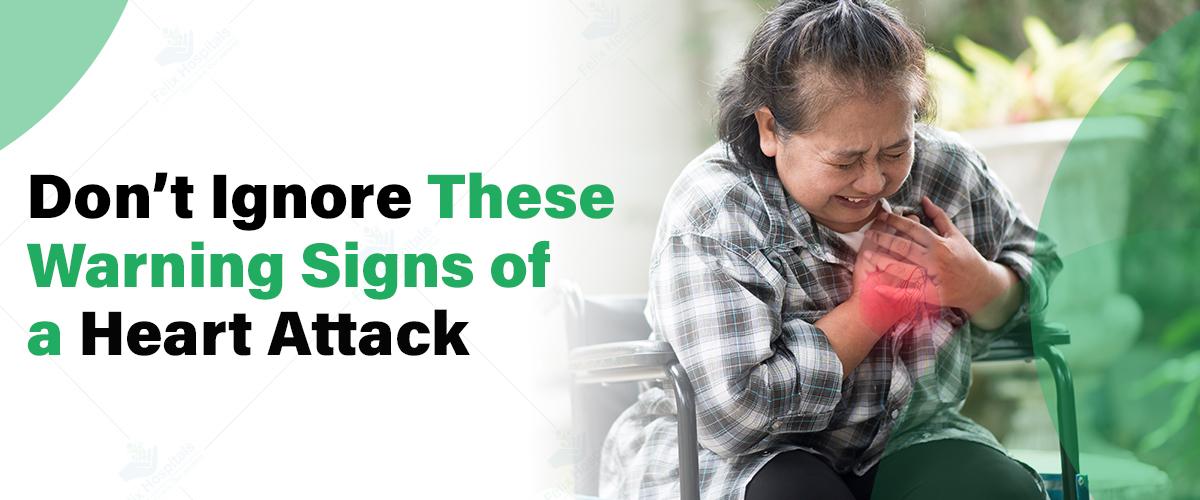
Heart attack signs early is crucial because timely intervention can significantly reduce the risk of severe complications and improve outcomes.


Subscribe to our
© Copyright 2026. All Rights Reserved by Felix Healthcare Private Limited
Design and development by :


 +(91)9667064100
 Emergency : +(91)9667064100