 Emergency:
  WhatsApp



Subscribe to our

Winter is a season many people enjoy, but for some, it brings discomfort in the form of winter joint pain. Cold temperatures can aggravate joint stiffness, swelling, and soreness, especially in individuals with arthritis or previous joint injuries. Understanding the causes, early signs, and management of joint pain in cold weather is essential for maintaining mobility and quality of life.
In Noida, patients experiencing worsening joint pain during winter can access specialized orthopedic care, targeted treatment plans, and preventive advice to manage discomfort effectively.
Persistent joint stiffness or swelling this winter? Consult the best orthopedic specialist in Noida today. Call +91 9667064100 to schedule your appointment.
Winter joint pain refers to stiffness, aching, or swelling in the joints that tends to worsen during colder months. While occasional mild discomfort may be normal, persistent or severe pain should not be ignored.
Commonly affected joints include:
Knees
Shoulders
Fingers
Cold weather can lead to tightening of muscles and tendons around the joints, increasing discomfort.
Understanding the causes of joint pain helps in prevention and effective management. Cold weather can exacerbate existing conditions or trigger new discomfort due to several factors:
Reduced blood flow to the joints
Increased joint fluid viscosity
Muscle stiffness caused by lower temperatures
Seasonal flare-ups in arthritis
Identifying the root cause allows orthopedic specialists to recommend appropriate treatment in Noida.
One of the most common factors for cold weather joint pain causes is osteoarthritis. In colder months, cartilage may contract slightly, and joints may feel tighter. Other contributing causes include:
Previous joint injuries or surgeries
Rheumatoid arthritis flare-ups
Sedentary lifestyle during winter
Exposure to damp or humid environments
Proper diagnosis is essential to differentiate between seasonal discomfort and serious joint conditions.
Recognizing early signs of joint problems in winter allows timely intervention before symptoms worsen.
Watch for:
Persistent stiffness in the morning or after inactivity
Swelling or redness around joints
Difficulty performing daily activities
Pain that increases in cold or damp weather
Early consultation with a knee pain doctor or orthopedic specialist in Noida can prevent progression.
Managing how to relieve joint pain in winter requires a combination of lifestyle measures, exercises, and sometimes medication:
Stay warm using clothing, heating pads, or hot baths
Engage in low-impact exercises like walking or stretching
Maintain a healthy diet rich in calcium and vitamin D
Apply topical anti-inflammatory creams as advised by your doctor
Stay hydrated to maintain joint lubrication
These measures often reduce discomfort and improve mobility.
Persistent or severe joint discomfort warrants evaluation by a medical professional. Severe joint pain when to see doctor may include situations such as:
Swelling or redness around the joint
Sudden inability to move the joint
Pain unrelieved by rest or medication
Fever with joint pain, which may indicate infection
Early orthopedic consultation in Noida ensures accurate diagnosis and timely treatment.
Individuals with arthritis are particularly susceptible to winter joint pain. Osteoarthritis and rheumatoid arthritis can flare up during colder months due to:
Reduced synovial fluid lubrication
Muscle tightening
Barometric pressure changes
Orthopedic care can include medications, physical therapy, and lifestyle guidance to manage symptoms effectively.
Preventive measures reduce the risk of winter joint pain:
Warm up before exercise
Avoid prolonged exposure to cold
Maintain an active lifestyle
Use supportive footwear
Apply gentle stretching routines daily
These practices help protect joints and prevent discomfort.
Treatment depends on severity and underlying causes. Options include:
Medications: Pain relievers, anti-inflammatory drugs
Physical therapy: Targeted exercises to improve joint mobility
Supportive devices: Knee braces, compression sleeves
Injections: Corticosteroid or hyaluronic acid injections for severe arthritis
Consulting an orthopedic specialist ensures a personalized treatment plan for each patient.
Maintain regular physical activity even during winter
Follow prescribed medication and therapy plans
Use heating pads or warm compresses as needed
Avoid overexertion or high-impact activities on cold surfaces
Monitor joint health and report new symptoms promptly
These tips help reduce discomfort and improve joint function over time.
Get expert evaluation and treatment for winter joint pain and improve mobility. Call +91 9667064100 now.
Winter joint pain is a common but manageable condition when addressed promptly. Understanding the causes, recognizing early signs, and seeking timely medical attention can prevent worsening symptoms and maintain mobility. Patients in Noida experiencing persistent joint pain during winter should consult a knee pain doctor near me or an orthopedic specialist for proper diagnosis and treatment. With the right approach, winter discomfort can be minimized, allowing individuals to remain active and pain-free throughout the season.
Q.1 Can winter joint pain be prevented?
Ans. Yes, through regular exercise, staying warm, and using supportive devices.
Q.2 Is winter joint pain always due to arthritis?
Ans. No, it can also result from previous injuries, muscle stiffness, or reduced activity.
Q.3 What home remedies help with joint pain in cold weather?
Ans. Warm compresses, light exercise, and staying hydrated are effective home measures.
Q.4 When should I see a doctor for joint pain?
Ans. If pain is severe, persistent, or accompanied by swelling, redness, or fever.
Q.5 Which doctor treats winter joint pain in Noida?
Ans. An orthopedic specialist or knee pain doctor can provide diagnosis and treatment.
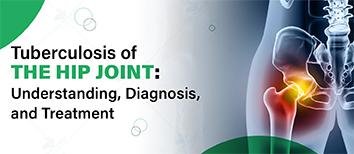
Tuberculosis (TB) is primarily known as a respiratory infection caused by Mycobacterium tuberculosis, but it can affect various body parts, including bones and joints.


Subscribe to our
© Copyright 2026. All Rights Reserved by Felix Healthcare Private Limited
Design and development by :


 +(91)9667064100
 Emergency : +(91)9667064100