 Emergency:
  WhatsApp



Subscribe to our

Winter can be unforgiving for the skin. Cold temperatures, low humidity, and indoor heating strip moisture from the skin, leading to winter dry skin. This condition often results in tightness, flakiness, and discomfort. While some consider it a cosmetic issue, untreated dryness can cause cracks, irritation, and Skin infections, making timely care crucial for healthy skin.
Our skin’s outer layer contains oils and lipids that retain water and protect against environmental damage. During winter, these protective elements are reduced, making the skin prone to various dry skin causes such as exposure to cold wind, frequent hand washing, and use of harsh soaps. Understanding these factors is key to prevention.
Skin dehydration in winter is common even in people who think their skin is oily. Low humidity and indoor heating pull water from the skin surface, leaving it dull, rough, and sensitive. Without proper hydration, dryness can escalate into more serious dermatological problems.
Ignoring winter dryness may seem harmless but it carries risks. Early dry skin prevention is essential to maintain the skin barrier, prevent infections, and reduce discomfort. Implementing preventive measures ensures the skin remains healthy and resilient.
For personalized winter skin care and expert evaluation, consult a dermatologist today. Call +91 9667064100
Recognizing early symptoms can prevent complications. Risk factors for dry skin include age, medical conditions, and environmental exposure. Watch for:
Persistent itching or burning sensation
Rough, flaky patches
Redness or irritation
Tightness after washing
Cracks or bleeding in severe cases
Prompt attention reduces the risk of infections and flare-ups.
Low temperatures and dry air are key contributors. The causes of dry skin in winter include reduced oil production, cold winds, and overuse of hot showers. Heating systems indoors further accelerate moisture loss from the skin.
Even routine bathing habits can worsen dryness. Long exposure to hot water removes natural oils, compromising the skin barrier and increasing sensitivity. Awareness of these triggers is critical for winter skin care.
Dry skin is not just uncomfortable; it can lead to health problems. Persistent dryness weakens the protective barrier, making skin more susceptible to infections. Understanding risk factors for dry skin allows early intervention, particularly in sensitive populations.
Severe dryness may aggravate conditions like eczema, psoriasis, or dermatitis. It can also interfere with sleep due to itching, impacting overall well-being and quality of life.
Certain groups are more vulnerable to winter dryness. Knowledge of dry skin causes helps these populations take extra precautions.
Elderly individuals, whose skin naturally loses moisture
Children with sensitive skin
People with diabetes or thyroid disorders
Patients with eczema or psoriasis
Individuals frequently exposed to chemicals
Targeted prevention is crucial for these groups.
Maintaining consistent habits can reduce dryness. Follow these winter skincare tips to preserve hydration:
Use lukewarm water instead of hot for bathing
Apply moisturizer immediately after washing
Avoid harsh soaps or fragranced products
Wear gloves and protective clothing outdoors
Small daily adjustments can make a significant difference.
Proper application is essential for dry skin prevention. Creams or ointments are more effective than lotions in winter, as they form a barrier to lock in moisture.
Apply moisturizer multiple times a day, especially after washing hands
Use thicker formulations at night for maximum hydration
Focus on areas prone to dryness like elbows, knees, and hands
This approach strengthens the skin barrier and reduces irritation.
A structured winter skincare guide ensures long-term protection. A simple routine may include:
Gentle cleansing with mild soap-free cleansers
Daily moisturization to maintain hydration
Sun protection, as UV rays still affect the skin in winter
Limiting exposure to harsh chemicals or detergents
Consistency is key for achieving healthy, resilient skin.
Some individuals experience persistent dryness despite proper care. Professional dry skin treatment may be necessary when symptoms worsen or interfere with daily life.
Dermatologists can identify underlying causes such as allergic reactions, infections, or systemic issues. Treatment may include prescription creams, barrier repair therapies, or advanced hydration solutions to restore skin health.
Skin hydration starts from within. Drinking sufficient water and consuming a balanced diet supports recovery from skin dehydration winter.
Include healthy fats, vitamins A, C, and E, and antioxidants
Avoid excessive caffeine and alcohol, which worsen dehydration
Ensure protein intake to support skin repair
Good nutrition strengthens the skin’s natural defense and moisture retention.
Skin of children and older adults is more fragile and prone to dryness. Following gentle winter skincare tips helps protect vulnerable populations.
Limit bathing time and use lukewarm water
Apply moisturizers frequently to maintain hydration
Avoid harsh soaps or perfumes
These steps prevent cracking, irritation, and infections.
Seek medical consultation if dryness persists or worsens. Indications that professional dry skin treatment is necessary include:
Persistent cracks that bleed or are painful
Signs of infection such as redness or pus
Severe itching affecting sleep or daily activities
Worsening of pre-existing skin conditions
Timely intervention ensures quicker recovery and prevents long-term damage.
If dry skin is affecting your comfort this winter, book a consultation with a specialist now. Call +91 9667064100
Winter dryness is common but manageable with the right approach. Understanding winter dry skin, identifying risk factors, and following preventive measures keeps skin healthy and comfortable throughout the season.
Maintaining a consistent skincare routine, choosing the right moisturizers, protecting skin from environmental stress, and seeking medical care from the best dermatologist in Noida ensures safe and effective results. Early action reduces complications, prevents infections, and restores natural skin resilience for children, adults, and the elderly alike.
Healthy skin is achievable during winter with awareness, prevention, and professional guidance. A structured routine combined with proper hydration and nutrition supports long-term skin wellness. Patients in Noida can benefit from expert dermatology care for evaluation, advanced treatments, and tailored skincare plans.
Q.1 Can winter dry skin lead to infections?
Ans. Yes, cracked skin allows bacteria to enter, causing infections.
Q.2 Is dry skin only a cosmetic problem?
Ans. No, it can result in pain, inflammation, and flare-ups of skin conditions.
Q.3 Can dehydration worsen winter skin dryness?
Ans. Yes, low water intake contributes to further dryness.
Q.4 How quickly does skin improve with proper care?
Ans. Most patients see improvement within 1–2 weeks of consistent treatment.
Q.5 Are children and elderly more affected by winter dryness?
Ans. Yes, both have thinner, more sensitive skin requiring extra care.

If your answer is yes, then, here are 6 easy steps to keep your skin look young and glowing.
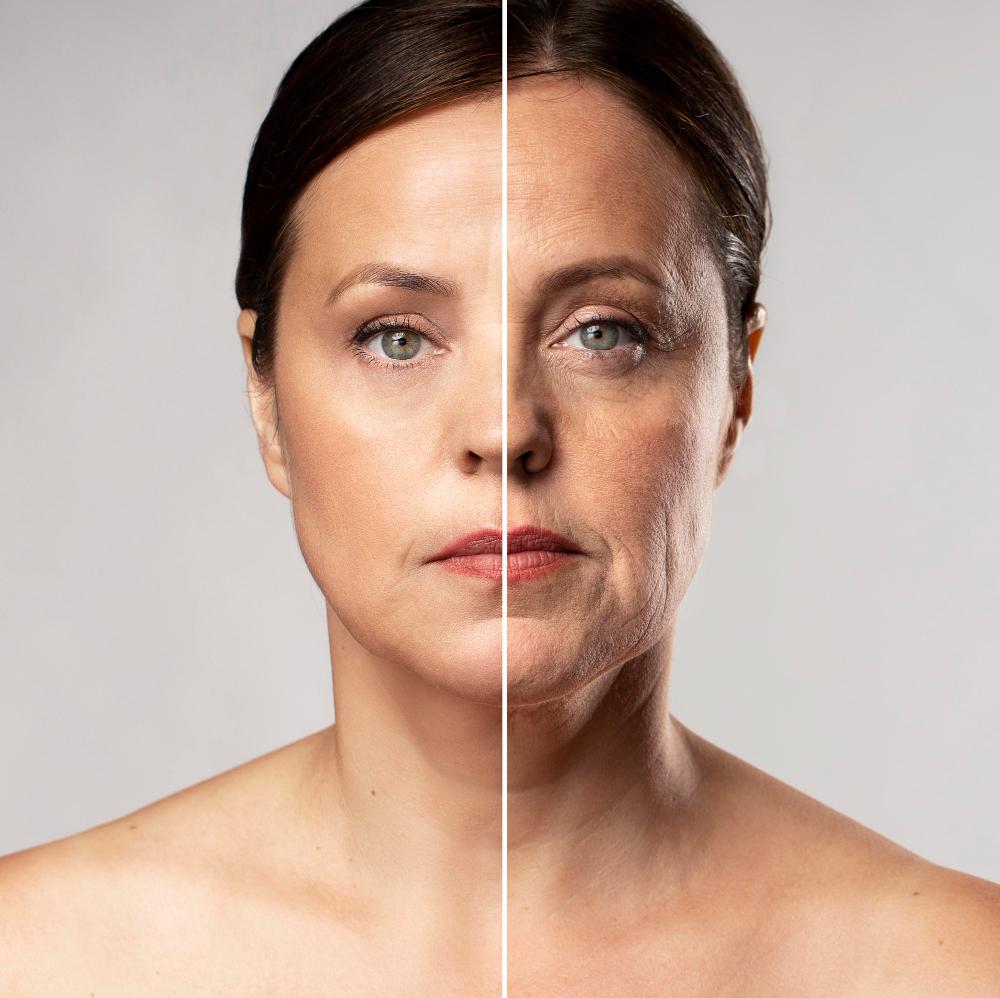
Certain skin disorders aren’t preventable, including genetic conditions and some skin problems due to other illnesses.


Subscribe to our
© Copyright 2026. All Rights Reserved by Felix Healthcare Private Limited
Design and development by :


 +(91)9667064100
 Emergency : +(91)9667064100