 Emergency:
  WhatsApp


Subscribe to our
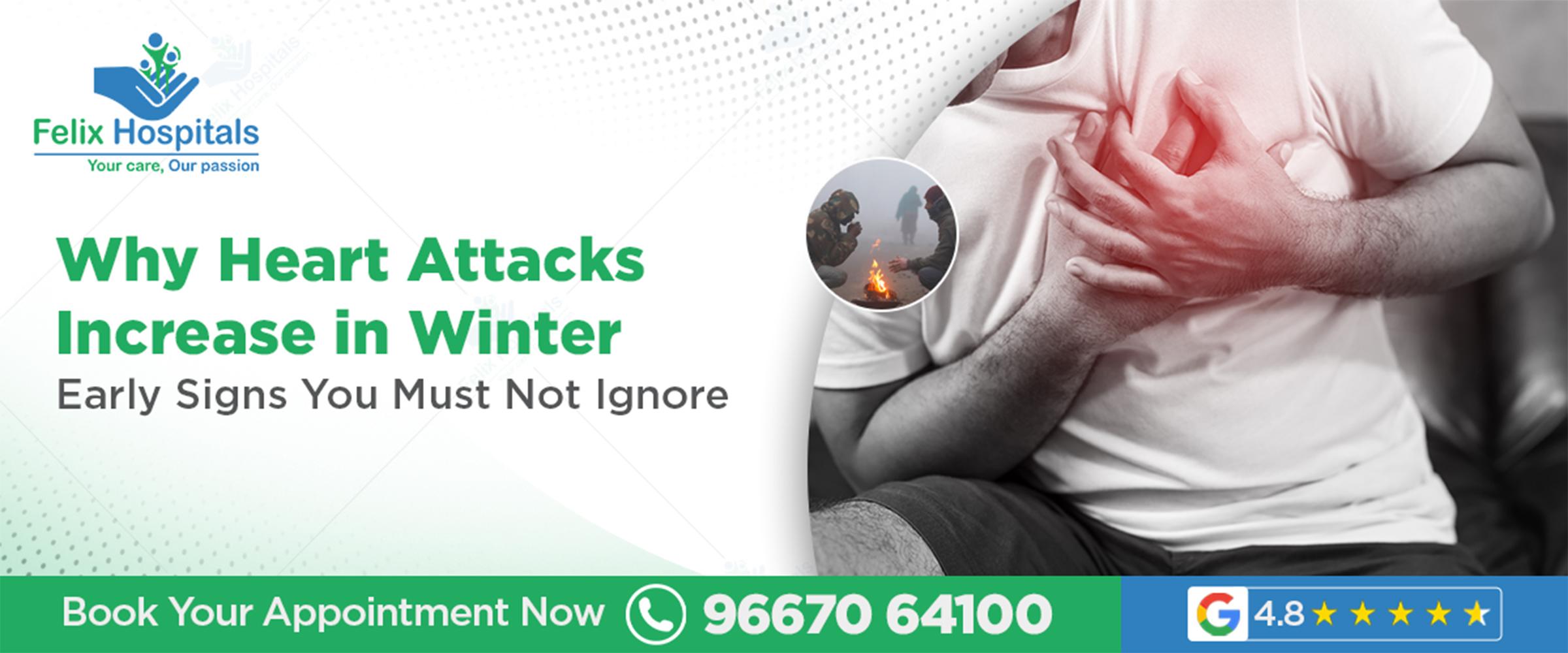
Winter is often associated with festive cheer, comfort food, and cozy evenings indoors. However, medical data consistently shows a noticeable rise in heart attacks during the colder months. For people living in urban regions like Noida, winter-related lifestyle changes combined with cold weather effects can significantly increase cardiac risk. Understanding why heart attacks increase in winter and recognizing the early warning signs can help prevent life-threatening emergencies.
If you experience chest discomfort, breathlessness, or unusual fatigue this winter, do not wait. Call +91 9667064100 to consult a Cardiologist In Noida today.
How cold weather affects heart function is closely linked to the body’s response to low temperatures. When exposed to cold, blood vessels constrict to conserve heat. This narrowing increases blood pressure and forces the heart to work harder to pump blood through the body.
Additionally, cold weather thickens the blood slightly, increasing the likelihood of clot formation. For individuals with existing heart disease or risk factors like diabetes or high cholesterol, this combination significantly raises the risk of a heart attack during winter.
Heart attacks are more common in winter due to a combination of environmental, physiological, and lifestyle factors. The body is under extra stress trying to maintain warmth, while seasonal habits often worsen cardiovascular health.
Key contributing factors include:
Together, these factors create a dangerous environment for the heart.
Winter heart disease risk factors tend to affect both previously diagnosed heart patients and seemingly healthy individuals. Many people mistakenly assume heart attacks occur only in summer or due to extreme exertion, but winter poses unique dangers.
High-risk groups include:
For such individuals, even mild symptoms should not be ignored.
Cold weather discourages outdoor movement, leading to a sudden drop in daily physical activity. This inactivity contributes to weight gain, poor circulation, and worsening cholesterol levels.
When combined with rich winter diets, reduced exercise significantly increases the burden on the heart, making winter a critical period for cardiac monitoring.
Blood pressure naturally rises in colder temperatures. For people with borderline or uncontrolled hypertension, winter can push levels into dangerous ranges.
Sudden blood pressure spikes increase the risk of plaque rupture in coronary arteries, which can lead to heart attacks without prior warning.
Symptoms of heart attack in cold weather may differ slightly from classic textbook descriptions. Many winter heart attacks present with subtle or atypical signs, causing dangerous delays in treatment.
Common symptoms include:
In winter, these symptoms are often mistaken for acidity, gas, or flu.
Early signs of heart attack are often mild and intermittent, especially in the early stages. Ignoring these signals can allow a partial blockage to become a complete obstruction.
Warning signs include:
Prompt evaluation during this stage can prevent major heart damage.
Women often experience non-classic symptoms, which become even harder to recognize during winter. Instead of severe chest pain, women may notice jaw pain, nausea, extreme fatigue, or breathlessness.
These symptoms are frequently ignored or attributed to stress or seasonal illness, delaying emergency care.
Heart attacks are more common in early morning hours, particularly in winter. Cold exposure after waking causes sudden increases in blood pressure and heart rate.
Additionally, morning dehydration and increased platelet stickiness raise the chances of clot formation, making early hours especially risky for cardiac events.
Heart attack prevention tips in winter focus on reducing strain on the heart and maintaining healthy circulation. Small daily adjustments can significantly lower risk.
Important preventive measures include:
Consistency is key during winter months.
Many heart patients reduce or stop medications during winter due to misconceptions or reduced symptoms. This can be dangerous.
Regular intake of prescribed blood pressure medicines, cholesterol-lowering drugs, and blood thinners is crucial to prevent winter cardiac events.
People with known heart disease should be especially cautious. Regular monitoring of blood pressure, sugar levels, and cholesterol becomes even more important in winter.
Consulting a cardiologist before winter begins can help adjust medications and preventive strategies based on seasonal risk.
Not all chest pain is a heart attack, but in winter, it should never be ignored. Pain associated with breathlessness, sweating, nausea, or radiation to the arm or jaw requires immediate medical attention.
Delaying care due to cold weather, fog, or traffic can result in irreversible heart muscle damage.
Early intervention within the “golden hour” of a heart attack can restore blood flow and minimize heart damage. Modern cardiac care allows rapid diagnosis and treatment, but timely arrival at a medical facility is essential.
Ignoring symptoms or waiting for pain to subside can be fatal.
Routine cardiac evaluations before winter help identify silent risk factors. Tests such as ECG, echocardiography, lipid profile, and stress testing can reveal underlying issues even in asymptomatic individuals.
Preventive checkups are especially important for people above 40 years of age.
Heart attacks are medical emergencies that demand immediate action. Contact +91 9667064100 for prompt emergency heart care services in Noida.
Heart attacks increase in winter due to a combination of cold-induced physiological changes, lifestyle factors, and delayed medical attention. Understanding how cold weather affects heart health, recognizing the early signs of a heart attack, and acting quickly can save lives. Consulting the Best Cardiologist in Noida ensures timely evaluation and expert guidance, especially for individuals with existing cardiac risk factors. Winter should be a season of caution, not complacency. With proper prevention, awareness, and access to specialized cardiac care, winter-related heart emergencies can be significantly reduced.
Q.1 Do heart attacks really increase in winter?
Ans. Yes, medical studies consistently show higher heart attack rates during colder months.
Q. 2 Can cold weather alone cause a heart attack?
Ans. Cold weather increases strain on the heart but usually triggers events in people with existing risk factors.
Q. 3 Are winter heart attacks more severe?
Ans. They can be, especially if medical care is delayed due to weather conditions.
Q. 4 Can young people get heart attacks in winter?
Ans. Yes, especially if they smoke, have high stress, or perform sudden intense workouts in cold weather.
Q. 5 Is chest pain during cold exposure always serious?
Ans. Not always, but it should be evaluated promptly to rule out heart-related causes.
Dr. Rahul Arora is an experienced Interventional Cardiologist with 21+ years of expertise in advanced cardiac care, specializing in personalized, evidence-based treatment for heart diseases and improved patient outcomes.
A stent procedure can be life-saving for those with blocked arteries. This guide walks you through the stent experience—from the angioplasty process to post-procedure recovery and lifestyle changes.

Find the best cardiologist for your heart care with these essential tips and expert advice.
However, stress, sedentary lifestyle, chronic diseases such as diabetes and hypertension, and genetic factors place young individuals at risk of heart attack.

Top cardiologist surgeon in Noida for safe and expert pacemaker implantation to regulate heart rhythm.


Subscribe to our
© Copyright 2026. All Rights Reserved by Felix Healthcare Private Limited
Design and development by :


 +(91)9667064100
 Emergency : +(91)9667064100