 Emergency:
  WhatsApp


Subscribe to our
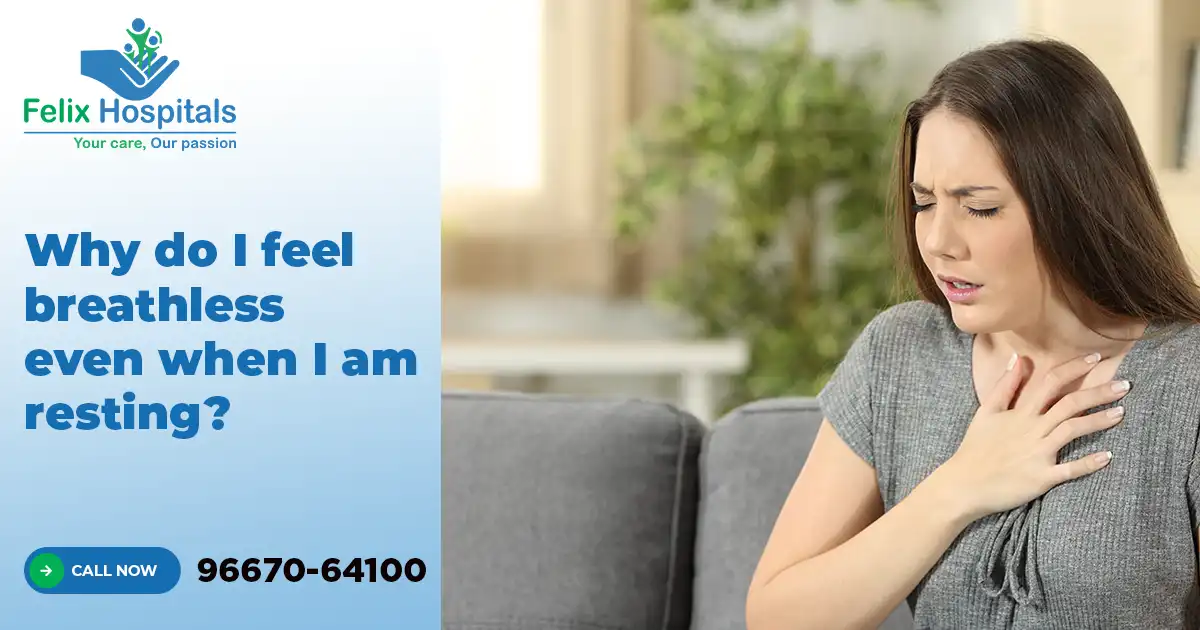
You are sitting still. No stairs, no rushing, nothing that should make your chest work harder. And yet you find yourself taking deeper breaths than usual, or feeling like the air just isn't going in properly. It catches people off guard almost every time.
Here's the thing worth knowing early: breathlessness is a symptom of many different problems, not one single condition. Some causes are minor and pass on their own. Others need a proper check-up before they get worse. The only way to know which one you're dealing with is to get it looked at, especially if it keeps coming back.
Most people picture asthma as loud wheezing and constant inhaler use. In reality, it can be much quieter than that. A tight feeling in the chest, trouble taking a full breath, or breathlessness that shows up mainly at night can all point to asthma that hasn't been diagnosed yet. Cold weather, dust, or even stress can set it off.
Breathing and emotional state are more connected than people realize. Stress can genuinely make your breathing feel shallow or incomplete. The mistake is assuming that's always the explanation and skipping a proper check. Get it evaluated first. Blame stress only after other causes have been ruled out.
A bad viral illness or respiratory infection can leave the lungs inflamed for weeks after you've technically recovered. During this stretch, people often notice chest tightness, a dry cough, breathlessness while lying flat, or simply running out of stamina doing things that used to feel easy.
Conditions such as COPD, chronic bronchitis, or interstitial lung disease tend to develop gradually. A little breathlessness one week, a bit more fatigue the next. Many people adjust their routines without realising their lungs are the reason they're slowing down.
This one surprises a lot of patients. Sometimes the lungs are working fine and the real issue sits with the heart. Poor circulation or fluid build-up can cause breathlessness that feels almost identical to a lung problem, particularly while resting or trying to sleep. This is exactly why a proper diagnosis matters more than guessing from a search engine.
Get medical help right away if breathlessness comes with any of the following:
Breathing is not something to push through and hope improves by itself.
At Felix Hospitals, diagnosis of SOB or shortness of breath includes a chest X-ray, a pulmonary function test, a CT scan where needed, oxygen level monitoring, allergy testing, and occasionally a sleep study if night-time symptoms are involved.
There is no one treatment that works for everyone. The right treatment depends on what is causing your shortness of breath. It may include inhalers, medicines, breathing exercises, allergy treatment, pulmonary rehabilitation, or simple lifestyle changes. Many people start feeling better soon after getting the right treatment, which is why early diagnosis is important.
It's normal to feel out of breath after heavy physical activity. But if you feel breathless while resting or during everyday activities, don't ignore it. It could be a sign of an underlying health problem that needs medical attention.
The Pulmonology specialists at Felix Hospitals, Noida and Greater Noida, can identify the cause and provide the right treatment before the condition worsens.
For appointments or queries, reach out on 9667064100
Breathlessness at rest can happen due to several conditions, including asthma, anxiety, lung infections, chronic lung diseases, heart problems, allergies, or low oxygen levels. If the symptom is persistent or keeps returning, it's important to consult a doctor for an accurate diagnosis.
It can be. Seek immediate medical attention if your breathlessness is sudden or severe, or if it is accompanied by chest pain, bluish lips or fingertips, fainting, dizziness, high fever, or difficulty speaking due to lack of air.
Yes. Anxiety and panic attacks can make you feel like you cannot take a full breath. However, because breathlessness can also signal heart or lung conditions, it should be medically evaluated before assuming anxiety is the cause.
Yes. Some people with asthma experience chest tightness, coughing, or difficulty taking deep breaths without the classic wheezing sound. A pulmonary evaluation can help confirm the diagnosis.
Respiratory infections can leave inflammation in the lungs that lasts for several weeks. This may cause breathlessness, fatigue, chest tightness, or a lingering cough even after the infection has cleared.
Yes. Certain heart conditions can reduce the heart's ability to pump blood effectively, leading to fluid buildup in the lungs and causing breathlessness, especially while resting or lying down.
Doctors may recommend tests such as a chest X-ray, pulmonary function tests, oxygen saturation monitoring, blood tests, CT scans, allergy testing, ECG, echocardiography, or a sleep study, depending on your symptoms and medical history.
Treatment depends on the underlying cause. It may include inhalers, medications, breathing exercises, allergy management, pulmonary rehabilitation, treatment for heart conditions, or lifestyle modifications.
You should consult a pulmonologist if your breathlessness occurs at rest, interferes with daily activities, keeps recurring, wakes you up at night, or is associated with a persistent cough, wheezing, or chest discomfort.
Temporary breathlessness due to minor illnesses or anxiety may improve on its own. However, persistent or recurring shortness of breath should never be ignored, as it may indicate an underlying heart or lung condition that requires treatment.
Yes. Quitting smoking, maintaining a healthy weight, staying physically active as advised by your doctor, avoiding known allergens, and following prescribed treatment plans can help improve breathing in many cases.
If you are experiencing persistent breathlessness, the Pulmonology specialists at Felix Hospitals in Noida and Greater Noida can evaluate the cause and recommend appropriate treatment. You can book an appointment by calling 9667064100.
Dr. Priyadarshi Jitendra Kumar is an experienced General Practitioner with 20+ years of expertise in diabetes, thyroid disorders, hypertension, and infectious diseases. Recognized as a Best Pulmonologist in Noida, he specializes in respiratory emergencies, sleep disorders, and advanced pulmonology care.
A pulmonologist plays a crucial role in helping patients dealing with serious or chronic breathing difficulties.
Breathing is Life," highlights the importance of lung health. Discover essential prevention tips to protect your lungs and improve quality of life.

Chronic snoring and breathing disorders are treated by pulmonology specialists in Noida with advanced care.

Seasonal changes can cause breathing issues like cough, wheezing, and breathlessness


Subscribe to our
© Copyright 2026. All Rights Reserved by Felix Healthcare Private Limited
Design and development by :


 +(91)9667064100
 Emergency : +(91)9667064100