 Emergency:
  WhatsApp


Subscribe to our

Acute kidney failure, also known as acute renal failure or acute kidney injury (AKI), is a serious medical condition in which the kidneys suddenly stop working properly. It is a serious illness that has to be treated right away by a doctor. The prognosis depends on how quickly the infection, injury, or sudden drop in blood flow to the kidneys is diagnosed and treated.
People living in and around Delhi-NCR can now get acute kidney failure treatment in Noida more easily than ever before because hospitals like Felix Hospital have state-of-the-art equipment and offer personalized rehabilitation plans.
If you are experiencing renal problems, phone +91 9667064100. Start early for a better result.
Acute renal failure occurs when the kidneys stop working suddenly, usually over a short period of time like hours or days. It develops quickly and can be stopped if treated right once. Chronic kidney disease, on the other hand, becomes worse over time.
The kidneys assist maintain blood pressure in check, balancing electrolytes, and getting rid of waste. When they don't work right, toxins and extra water build up in the body, which can cause problems with the heart, lungs, and other important organs.

Acute kidney failure can occur due to various factors. The most common reasons are:
Severe blood loss or dehydration, which is usually caused by surgery or trauma
Infections, such as sepsis, which cuts off blood supply to the kidney.
Drugs: Some antibiotics, painkillers, and dyes for imaging tests
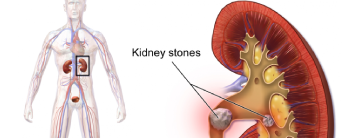
Obstruction of the urinary tract can happen because of kidney stones, tumors, or an enlarged prostate.
Heart failure or low blood pressure can cause the kidneys to not get enough blood.
Finding out what caused the acute renal failure is the key to treating it successfully. The faster it is found and treated, the better the chances of recovery.
Not always the signs of acute renal damage are there. However, as the injury gets worse, the following symptoms may appear:
Less pee or no urine at all
face, ankles, or legs swelling
Feeling weak and tired
Trouble breathing
Feeling sick and throwing up
Confusion or trouble concentrating
Heartbeat that is not normal
If you or someone you care about has these symptoms, especially after a severe surgery, trauma, or significant infection, you should see a nephrologist or a medical doctor straight away for emergency care.
A diagnosis is made by looking at the person's medical history, doing a physical exam, and running tests in a lab. These are:
Blood tests to check the levels of urea and creatinine
Tests on urine to look for problems
Using ultrasound to find problems
In rare situations, a kidney biopsy is done to find out what is wrong. Finding out about kidney problems early helps stop harm that can't be fixed. Hospitals in Noida that treat acute renal failure use cutting-edge diagnostic technologies to do tests quickly and accurately.
The kind and severity of Acute kidney failure determine how it will be treated. It could include:
1. Going to the hospital
Most people need to stay in the hospital. Doctors always assess how well the kidneys are working, the levels of electrolytes, and the amount of fluid in the body.
2. Medicines
Doctors may suggest the following, depending on the situation:
Diuretics to help with too much fluid intake
Antibiotics to treat infections
Drugs that keep calcium and potassium levels in check by balancing electrolytes
Blood pressure medicines if needed
These are usually the initial things that doctors do to treat acute renal failure in Noida. After the initial tests, doctors would provide additional care tailored to the patient's specific needs.
3. Dialysis
If the kidneys are unable to filter waste, the only choice is dialysis for acute renal injury. In this, excess fluids, salts, and poisons are taken out of the circulation for a short time.
There are two kinds of dialysis:
Hemodialysis is a machine that filters blood.
Peritoneal dialysis uses the lining of the abdominal cavity.
Most of the time, dialysis is only needed for a brief time until the kidneys start working again.
The good news is that a lot of patients with Acute kidney failure get better quickly with the right care.
After treatment, care includes:
Regular visits to a nephrologist
A healthy diet for the kidneys
Keeping blood sugar and blood pressure in check
Stay away from drugs that are bad for your kidneys.
Patients must stay under medical care as they heal, especially if they already have diabetes or high blood pressure.
It is important to understand the financial side of things before getting treatment. The cost of treating acute kidney failure in Noida, or more properly, the cost of renal treatment, can be very different:
First blood tests and diagnoses: ₹2,000–₹6,000
The cost of medicine and a hospital stay ranges from ₹15,000 to ₹40,000, depending on how bad illness is.
Dialysis sessions cost between ₹2,500 and ₹4,000 apiece, if needed.
Intensive care or critical care unit: ₹10,000 to ₹25,000 per day
The real cost of treatment of acute kidney failure in Noida will depend on the hospital, the treatment plan, and the patient's condition. Only ask a doctor for a personalized estimate.
To get better recovery from acute kidney injury, making long-term changes to your lifestyle can help:
Drink a lot of water, but not too much.
To keep your blood pressure in check, eat less salt.
A dietician can help you cut back on protein.
Don't take painkillers that you don't need, such NSAIDs.
Preventive care and education are very helpful for protecting renal function over the long run.
Do you need help right now?
Call Felix Hospital right now for expert nephrology care. Because your kidneys deserve the best. Call +91 9667064100.
Acute renal failure is an emergency, but with quick treatment, full recovery is typically guaranteed. At hospitals in Noida that treat acute renal failure, like Felix Hospital, professionals ensure that patients receive the correct care from diagnosis to recovery.
You need to find a good nephrology doctor in your neighborhood for treating acute kidney failure. For everything from emergency dialysis for acute liver injury to personalized rehabilitation plans, the right assistance is vitally important.
Q1. Can dehydration cause acute renal failure all by itself?
Ans: Yes, when someone is really dehydrated, it can slow down blood flow to the kidneys, which can lead to acute renal damage.
Q2. Is acute renal failure more common in older people?
Ans: Definitely, older people are at a higher risk since their kidneys naturally stop working as well as they used to, and they may also have other health problems.
Q3. Do all patients with acute renal failure need dialysis?
Ans: Dialysis is only necessary for people who have a lot of waste buildup, too much fluid, or very dangerous electrolyte abnormalities.
Q4. Do they check your kidneys after you leave the hospital?
Ans: Yes, it's really important to keep up with regular kidney function testing to keep an eye on recovery and avoid any relapse.
Q5. Can taking over-the-counter drugs cause acute renal failure?
Ans: For sure, using too many NSAIDs and some antibiotics can hurt how well your kidneys work.

Find out the best methods to pass kidney stones quickly, ease pain, and protect your kidneys with proven home remedies and advanced treatment options.

In Noida hospitals, recognized for being among the best heart health hospitals in Noida, are at the forefront of offering critical care for heart-related issues.


Subscribe to our
© Copyright 2026. All Rights Reserved by Felix Healthcare Private Limited
Design and development by :


 +(91)9667064100
 Emergency : +(91)9667064100