 Emergency:
  WhatsApp

Subscribe to our
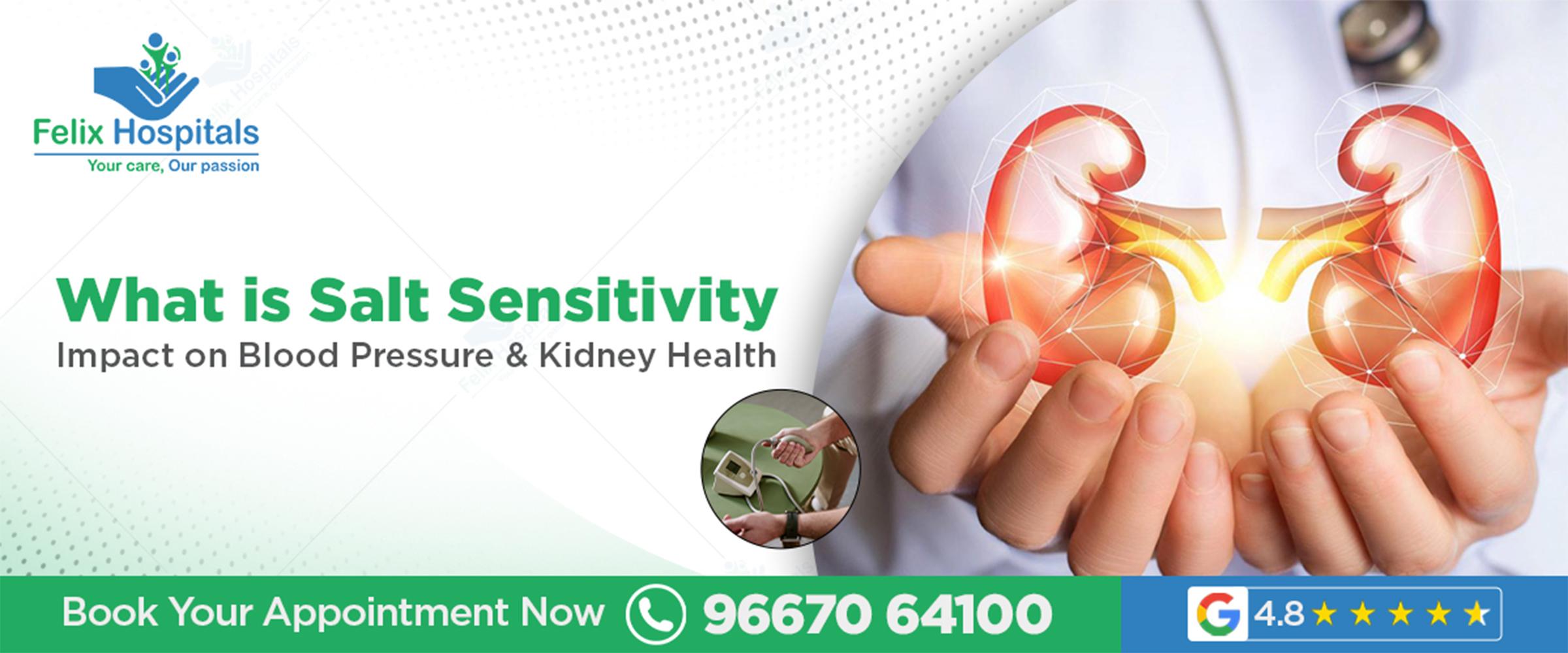
Not everyone reacts to salt in the same way. Some people notice a rise in blood pressure within hours of eating a salty meal. For some people, the same meal doesn't change much at all. This difference isn't random; it's because of how the kidneys handle sodium. It's called salt sensitivity.
The fact that this condition often goes unnoticed for years is what makes it so dangerous. There is no clear symptom or moment of diagnosis; the strain on the heart and kidneys builds up slowly over time. It's really useful health information to know what salt sensitivity is, how it affects the heart and kidneys, and what to do about it. This is especially true in India, where the average amount of salt people eat is almost twice the recommended amount.
Consulting the Best Nephrologist in Noida. Can help you manage symptoms before they take a toll on your health.
Noticing a blood pressure spike after salty meals or swelling you cannot explain? These may be early signs of salt-sensitive kidney stress — the kind that responds well to early treatment.
Call +91 9667064100 to consult a nephrologist at the Best Nephrology Hospital in Noida today.
People who are salt sensitive have a body that reacts to more sodium by raising their blood pressure and lowering it when they eat less sodium. It's not a disease on its own; it's just how the body's blood pressure control system reacts to salt.
The kidneys normally get rid of extra sodium well, which keeps blood pressure stable no matter how much salt you eat. People who are sensitive to salt have a problem with this sodium excretion system. Sodium is kept in the body, which makes the blood volume rise and the blood pressure rise as a result.
Estimates indicate that around 25–30% of individuals with normal blood pressure and up to 50–60% of those with hypertension are salt-sensitive. However, due to the absence of a standardized clinical test in routine practice, it remains significantly underdiagnosed.
The main difference is that salt sensitivity is not the same as having high blood pressure. A person can be salt-sensitive and have normal blood pressure right now, but they are still at a much higher risk of developing high blood pressure in the future.
The mechanism goes through the kidneys, the renin-angiotensin-aldosterone system (RAAS), and the sympathetic nervous system. These systems all control how the body holds or gets rid of sodium and water.
People who are sensitive to salt may have one or more of these systems that don't work right when they get a lot of sodium:
ResearchFinding: A groundbreaking study in the Journal of Human Hypertension tracked participants for 20 years and discovered that salt-sensitive individuals, even those with initially normal blood pressure, faced a markedly elevated risk of cardiovascular events and mortality relative to salt-resistant counterparts at the same baseline. (Source: Weinberger MH et al., Hypertension, 2001)
Salt sensitivity affects the kidneys in both good and bad ways. A healthy kidney filters about 180 litres of blood every day and gets rid of sodium with amazing accuracy. When the kidneys are damaged by diabetes, chronic inflammation, or getting older, they can't get rid of as much sodium, and salt sensitivity gets worse.
This is why nephrologists don't see dietary sodium as a lifestyle change, but as a direct way to slow the progression of kidney disease.
There is a genetic component to salt sensitivity, but there are also a number of clinical and demographic factors that make it much more likely:
Research finding: A study published in Hypertension (AHA) found that people who were both overweight and sensitive to salt were three times more likely to develop high blood pressure over a ten-year period than people who were lean and resistant to salt. The main difference between the two groups was how their kidneys handled sodium. (Source: He FJ, MacGregor GA, Journal of Human Hypertension, 2009)
People with salt sensitivity don't usually show clear signs of it. Most people don't know they have it for years. When symptoms do show up, they are usually the result of high blood pressure, not salt sensitivity itself:
If you always see blood pressure readings above 130/80 mmHg after eating salty foods, or if your ankles swell, your urine is frothy, or you wake up with puffy eyes every morning, you should get your kidneys and blood pressure checked.
At this time, there is no one standardized test for salt sensitivity that is used in everyday clinical practice. In practice, diagnosis entails a combination of:
Supervised dietary sodium challenge: A set time of eating a lot of salt followed by a set time of eating less salt, with blood pressure monitoring; the most direct clinical test available
For people who are sensitive to salt, the answer is a clear yes. Cutting back on sodium can lower blood pressure in a way that lasts, and the effect is often similar to starting a single antihypertensive medication.
It's not just about using less table salt to manage your health. It's about knowing where sodium is in your diet and making habits that will last a long time.
If you have any risk factors, you should have your kidney function checked every year. A urine albumin test and serum creatinine can find kidney stress years before you have any symptoms.
Persistent high blood pressure, foamy urine, or swollen ankles? Don't wait for these signs to worsen. Early kidney evaluation can prevent serious long-term damage. Call +91 9667064100 to book a kidney health assessment with the Best Nephrologist in Noida.
Salt sensitivity is a common problem that affects kidney function, blood pressure control, and long-term heart health. It usually doesn't show any clear signs until a lot of damage has already been done. The good news is that consistently lowering dietary sodium is one of the most effective tools available, sometimes even as effective as medication for people who are sensitive to salt.
If you have a family history of high blood pressure or kidney disease, are diabetic or overweight, or notice that your blood pressure changes after eating salty foods, that pattern is worth looking into, not ignoring.
Your kidneys filter all of your blood dozens of times a day. They should at least get a diet that doesn't make that work harder than it has to.
That pattern—a normal baseline blood pressure with big spikes after eating high-sodium foods—is one of the most common signs of salt sensitivity. In India, restaurant food is usually very high in sodium, which makes it hard for the kidneys of people who are sensitive to salt to get rid of that load quickly. This can cause temporary but significant increases in blood pressure. It doesn't mean it's safe just because it gets better later. Repeated spikes make arteries stiffer over time. A good first step is to keep track of your blood pressure at home for 2–3 weeks and talk to a nephrologist about the pattern.
Yes, and this is a significant discovery. If you have proteinuria and a normal creatinine level, it could mean that your kidneys are under stress early on. Salt sensitivity directly raises the pressure inside the glomerulus, which causes proteins to leak out. At this point, cutting back on sodium in the diet often leads to a measurable decrease in proteinuria, which is sometimes the same as adding an ACE inhibitor. This is when intervention works best. Instead of waiting for creatinine to get worse, please see a nephrologist.
A lot of people think this is true. Rock salt, sea salt, and pink Himalayan salt are all sodium chloride. This means that they have the same amount of sodium and the same effect on blood pressure as regular table salt. The amount of sodium per gram is pretty much the same. It doesn't matter what kind or colour of salt you use; the total amount of sodium you eat is what matters for your blood pressure and kidney health.
For people with Stage 3 CKD and high blood pressure, the usual goal is to get 1,500 to 2,000 mg of sodium a day. The main difference at this point is that potassium restriction may also be necessary along with sodium restriction, since kidneys that don't work well may have trouble getting rid of potassium. Because of this, the DASH diet may need to be changed. Instead of following general population guidelines that may not be safe for her at this point, please work with her nephrologist to come up with a specific diet plan.
At 34, with no risk factors and normal blood pressure, salt sensitivity probably isn't hurting you right now. That being said, it's not just something that happens to older or sick people; it can also happen to young people, especially if they have a strong family history of high blood pressure or kidney disease. The way you eat in your 30s will affect your risk level in your 50s. At your current risk level, all you need is a blood pressure check and a basic kidney function screen every few years.
Obesity and excessive sugar consumption are widely recognized as major contributors to diabetes, heart disease, and high blood pressure.
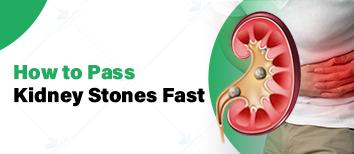
Find out the best methods to pass kidney stones quickly, ease pain, and protect your kidneys with proven home remedies and advanced treatment options.


Subscribe to our
© Copyright 2026. All Rights Reserved by Felix Healthcare Private Limited
Design and development by :


 +(91)9667064100
 Emergency : +(91)9667064100