 Emergency:
  WhatsApp


Subscribe to our
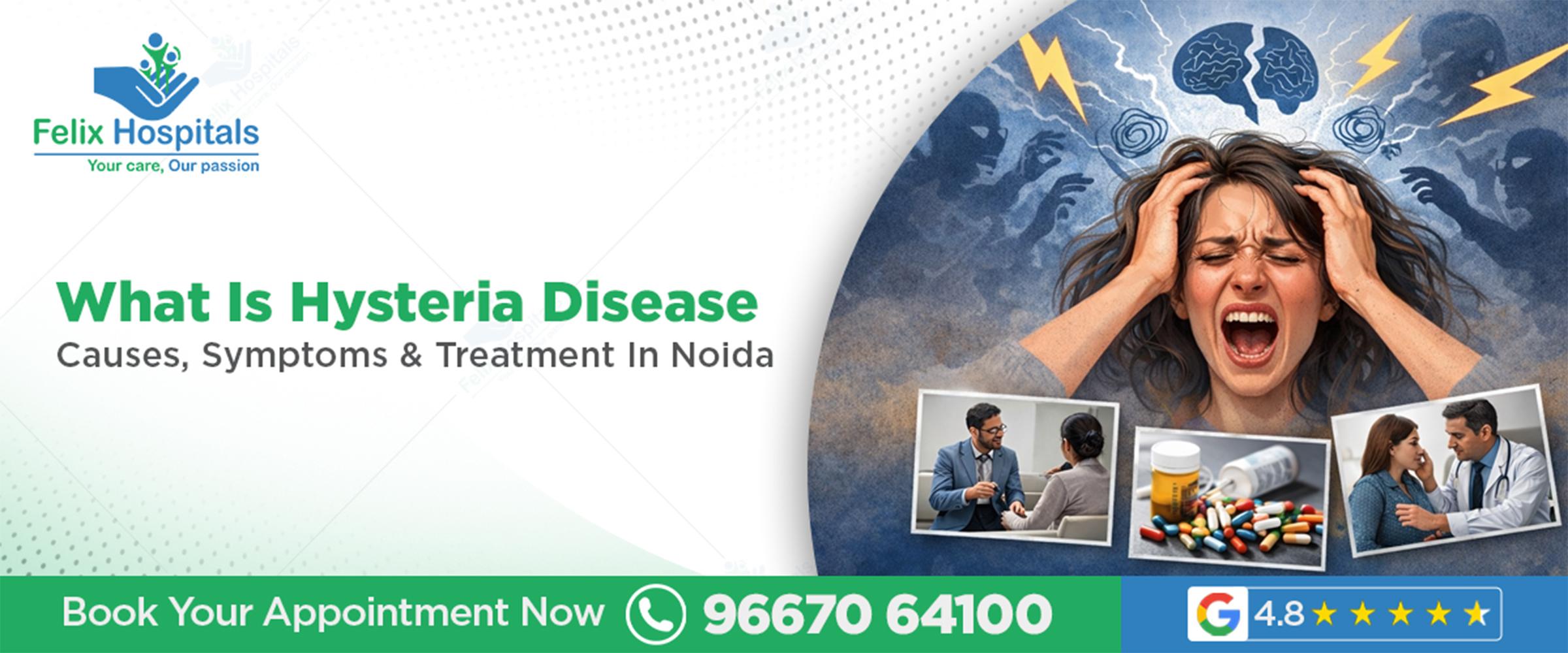
Mental illnesses are being increasingly acceptable as a significant component of well-being, but a range of disorders are poorly understood. Such a condition as hysteria was once known as hysteria is now medically known as conversion disorder or dissociative disorders. These are conditions that are either physical or emotional and they cannot be well explained by some medical cause but they are very closely associated with psychological stress.
In contemporary urban environments such as Noida, there has been a rise in such psychosomatic states due to an increase in the level of stress, emotional pressure, and lifestyle stress. The World Health Organization (WHO) estimated that mental health disorders take a huge part in the overall disease burden in the world, with stress-related disorders on the rise in all age categories.
Early diagnosis and early appointment with the most qualified psychiatrist in Noida may assist them to realize their symptoms, be treated well, and raise the quality of life. A proper approach to the condition will guarantee mental and physical healing.
Experiencing unexplained physical symptoms, emotional distress, or sudden behavioral changes?
Don’t ignore these signs—early mental health support can make a big difference.
Call +91 9667064100 to consult a specialist in Noida today.
Hysteria disease is a historical term that is used in reference to a collection of psychological conditions in which emotional stress is portrayed in a physical form. In modern day medicine, it is better categorized as conversion disorder or dissociative disorder.
When this condition occurs, the brain transforms psyche stress into physical manifestation characterized by paralysis, seizures or sensory disruption of which no possible neurological cause can be detected. These are factual symptoms which have the potential to pose a serious impact on the everyday life of an individual despite them not being brought about by any structural damage to the body.
There is widespread misperception about hysteria which causes stigmatization and delayed care. Nevertheless, one should learn that it is a real medical disorder, which needs adequate psychological assessment and treatment.
Understanding the common causes of hysteria helps in identifying triggers and managing the condition effectively.
Common causes include:
Extreme emotional pressure or trauma.
Anxiety and depression
Unresolved psychological problems.
Past traumatic experiences
Social/environmental stressors.
Lack of emotional support
It has been found that people under the influence of high stress levels tend to generate psychosomatic symptoms. This emotional overload is capable of interfering with the normal functioning of the brain, which is manifested physically.
The symptoms in most instances serve as a coping mechanism to the brain in order to cope with excessive stress.
Recognizing the symptoms & signs of hysteria is essential for early diagnosis and treatment. These symptoms may be diverse and be similar to neurological or physical disorders.
Paralysis.
Ataxia without neurological cause.
Problematic speech / swallowing.
Visual/auditory impairments.
Fainting episodes
Hysterical outbursts or mood swings.
Disturbed mind or memory lapse.
These are actual symptoms that bring suffering to the patient. They are not willingly made and must be treated medically.
The diagnosis and tests for hysteria involve a thorough evaluation to rule out physical causes and identify psychological factors.
Neurological examination
Imaging procedures like CT scan or MRI.
Blood tests to eliminate medical conditions.
Psychological assessment
The diagnosis is typically made in the absence of finding any physical cause of the symptoms and with psychological factors being considered as the main precipitant.
Proper diagnosis is frequently done by a multidisciplinary involvement of neurologists and psychiatrists.
The treatment options in Noida focus on addressing both psychological and physical aspects of the condition.
Psychotherapy to respond to emotional stimuli.
Anxiety or depression drugs.
Stress coping strategies.
Lifestyle modifications
Supportive care
Treatment will be personalized according to the condition and the severity of symptoms of a patient. Early intervention is better and minimizes relapse.
Treatment of proper hysteria in Noida will guarantee full care and healing.
Professional mental analysis.
Personalized therapy plans
Medication management
Constant follow ups
Supportive counseling
The problem of early intervention is observed to assist the patient back to normal functioning and enhances the quality of life.
The treatment and recovery revolve around the therapy and counseling of hysteria.
Cognitive behavioral therapy (CBT)
Counseling of stress management.
Trauma-focused therapy
Relaxation techniques
Therapy enables patients to appreciate their condition, cope with stress and acquire healthier coping strategies.
Research indicates that psychotherapy is very effective in minimizing symptoms as well as preventing relapse.
Some people are more likely to develop hysteria because of a number of reasons.
High stress levels
Emotional trauma
Lack of social support
Past mental health problems.
Stressful life events
Early prevention and management is achieved by identifying these factors.
It is important to know when to consult the doctor when dealing with hysteria.
Symptoms are unpredictable and spontaneous.
Episodes are common or physical.
Day-to-day functioning is impaired.
Sufferings are enduring.
Symptoms worsen over time
Proper medical attention is taken at an early stage and complications avoided, and recovery is better.
Changes in lifestyle may assist in treatment and enhance the general well being.
Having an everyday routine.
Relaxation processes.
Physical exercise.
Establishing a robust support system.
Avoiding stress triggers
These actions are in addition to medical care and enhance a long term recovery.
Hysteria is a medical condition, which is highly diagnosed and treated through the assistance of professional medical care.
Accurate diagnosis
Individualized treatment plans.
Psychological support
Monitoring of progress
Prevention of recurrence
Special treatment will guarantee enhanced results and mental health.
Experiencing unexplained symptoms or emotional distress affecting your daily life?
Don’t delay treatment—early intervention can help you recover faster. Call +91 9667064100 to consult a specialist in Noida now.
Hysteria which is currently considered a psychological condition like conversion disorder needs attention, knowledge and prompt intervention. Understanding what is hysteria disease?, recognizing the symptoms & signs of hysteria, and knowing the treatment options in Noida are essential for effective management.
The availability of correct treatment of hysterics in Noida and the best psychiatrist Hospital in Noida can enable a person to recuperate and live a healthy life. Early diagnosis, treatment and life-style modification are important in the treatment of the condition.
Yes, panic may delay decision making and add stress to the patient and caregiver.Being calm helps you act more quickly and effectively.
Yes, even if there is no obvious physical cause, these symptoms should not be ignored. you should consult a doctor to rule out neurological or psychological conditions.
Only proper medical evaluation can determine this. If tests are normal but symptoms persist, a psychological cause may be considered.
With proper therapy and treatment, many people recover completely. However, managing stress is important to prevent recurrence.
You can start with either, but often both specialists work together to diagnose and treat the condition effectively.
Stay calm, ensure safety, and seek medical help. Avoiding panic and getting timely care is important.
Dr. P. S. Naga Srinivas is a skilled Consultant Neurologist with strong experience in managing various neurological disorders. He follows a patient-focused and evidence-based approach for accurate diagnosis and treatment of both acute and chronic neurological conditions, and is recognized among the Best Neurologists in Noida.
Hysteria causes emotional and physical symptoms and is treated by mental health experts in Noida.
Advanced neurosurgery improves treatment for brain and spine disorders with better outcomes.
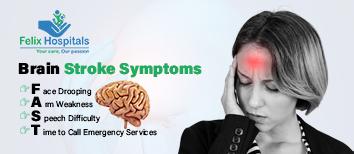
Recognizing the symptoms of a brain stroke is critical for getting prompt medical attention. The acronym F.A.S.T. is often used to remember the most common Brain stroke symptoms.

Brain-boosting foods rich in antioxidants, omega-3s, and vitamins support memory, protect brain cells, and may help reduce the risk of dementia and Alzheimer’s disease.


Subscribe to our
© Copyright 2026. All Rights Reserved by Felix Healthcare Private Limited
Design and development by :


 +(91)9667064100
 Emergency : +(91)9667064100