 Emergency:
  WhatsApp


Subscribe to our
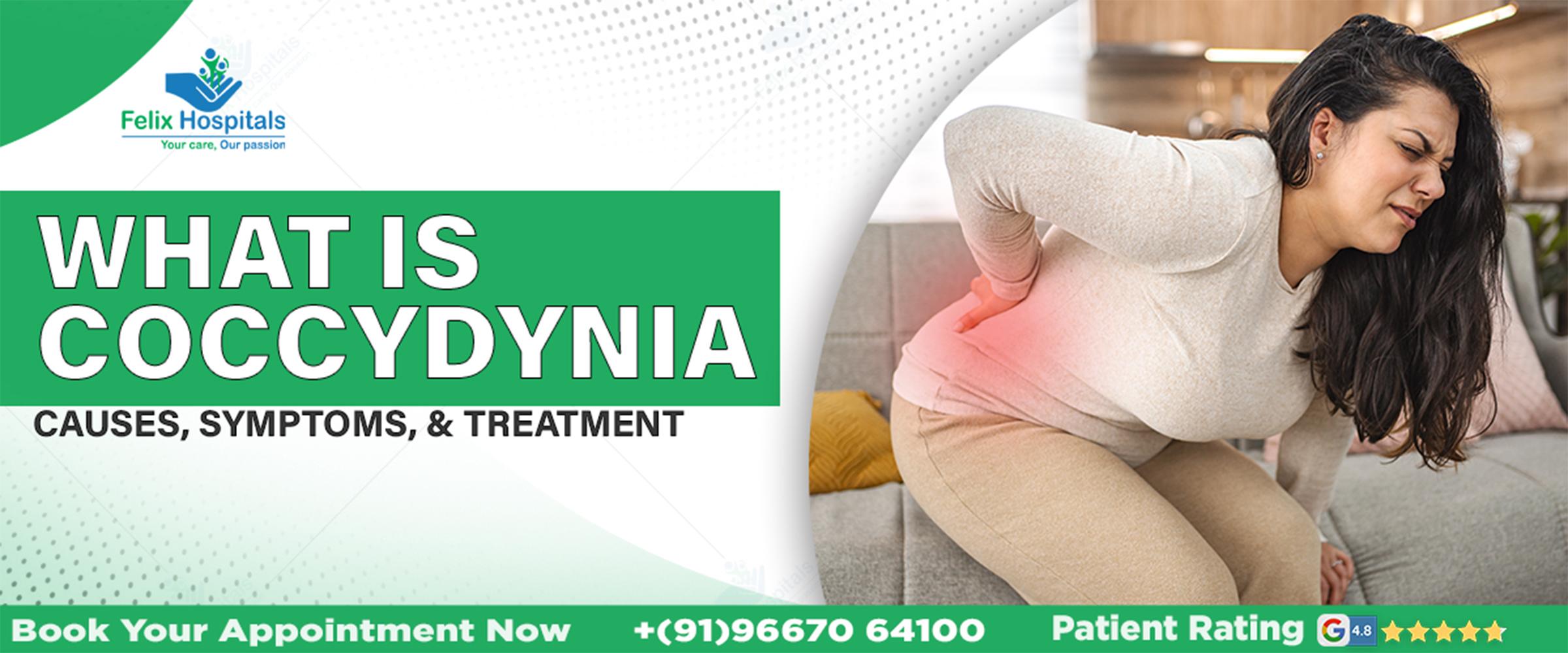
Tailbone pain, or medicated term coccydynia, is an ailment that involves the small triangle bone at the base of the spine. While the coccyx itself is not large in stature, the pain located there can affect life significantly. Even everyday activities such as sitting, bending, or even driving may become painful or intolerable.
Knowing why tailbone pain develops, why it happens more in females, as well as the available treatment alternatives, enables an individual to take the appropriate measures toward their cure. Visiting an established Coccydynia facility in Greater Noida for consultation early on can eliminate long-term pains as well as help elevate the quality of life.
Schedule an appointment at a reliable Coccydynia hospital for the right diagnosis and the finest treatment protocol. Call us now at +91 9667064100.
Coccydynia consists of persistent pain around the coccyx or tailbone at the spinal base. Pain can range between dull ache or throbbing sensation and stabbing pains and could occur when sitting or when making sudden movements. Because the coccyx serves as an anchor for the ligaments and pelvic floor muscles, normal functioning of the region plays an important part in providing stability as well as mobility.
In some cases, the patient develops the pain suddenly following an accident but in others it may change insidiously without any apparent stimulus.
The following factors might cause coccydynia:
Injury or Trauma – Falls on the lower back, sport injuries, or birth pressure might directly harm the coccyx.
Chronic Sitting – Sitting on firm or thin seats for an extension of time may put stress on the tailbone. Because of this, sitting irritates the tailbone in most people.
Repetitive Strain – Cycling, perhaps in conjunction with rowing or horseback riding, over and over might stress the coccyx.
Age-Related Degeneration – Wear and tear of joints plus cartilage surrounding the coccyx could cause continuous pains
Infections or Tumors – Though infrequent, spine infections or tumors may lead to tailbone pain
Establishing the precise cause assists in the management of the best treatment regimen.
Studies discover coccydynia more common in women due to anatomical as well as biological reasons:
Women also tend to have broader pelvises, so their sitting places more force on their coccyx.
It may occur as a result of the compression during delivery.
The hormone changes may loosen surrounding ligaments and muscles.
These factors increase the risk of women developing coccydynia five times higher when compared to men.
The symptoms of the tailbone pain range but tend to include:
Localized pain at the lower back area
Joint pains worsened when sitting on hard surfaces
Sharp ache on standing after sitting position
Pain during bowel movements or sexual activity
Discomfort also occurred in the hips, thigh, or rectal area
The intensity of the pain may range in an individual but any symptom persisting should never go unnoticed. A consultation at Coccydynia doctor in Greater Noida will help in the proper evaluation as well as treatment at the appropriate time.
Tailbone pain may resolve itself for others, but one has to get medical help when:
It lasts 4–6 weeks beyond an attempt at home therapies
Symptoms continue to deteriorate
It has symptoms of associated pain, numbness or weakness.
Sleep and daily activities are interfered with
You have issues holding your bladder or bowels
Seeking medical attention for coccydynia at the right time helps in early diagnosis and prevents complications.
Doctors typically start with a physical exam to assess tenderness and mobility. Depending on the condition, tests may include:
X-rays – To exclude fractures or misalignment
MRI scans – In the diagnosis of inflammation, infection, or tumor
CT Scans – To Get Perfect Bone Images
These tests exclude the other causes and establish coccydynia.
Conservative Care
Rest and activity modification
Relieving pressure employing cushions upon sitting
Applying ice or heat for relief
Over-the-counter pain medications like NSAIDs
Strengthening the pelvic floor muscles
Relaxed stretching and standing posture training
Steroid injections for inflammation reduction
Nerve blocks for severe cases
Manual treatment using professional experts
Surgical removal of the coccyx (coccygectomy) is considered a last resort when all other treatments fail.
In order to get advanced treatment and care, consultation with the Best orthopedic specialist in Greater Noida provides individualized attention.
Lifestyle Modifications to Prevent Tailbone Pain
Use ergonomic seats featuring cushioning
Get up regularly when sitting for long times
Assume standing posture
Strengthen the muscular core through regular exercise
Weight management for relief of coccygeal pressure
Wear padding when doing activities like cycling or rowing
Modern treatment uses cutting-edge technology to ensure precision and faster recovery:
These technologies reduce tissue damage, improve accuracy, and shorten recovery time.
While tailbone pain might be problematic, small adjustments could make daily life run more smoothly:
Intermittent sitting, standing, and walking
Rest on pillow between or below the knees for support
Keep track of activities inducing ache and properly modify
Discover gentle exercises such as swim and walk
Be consistent in treatment and post-care treatment
Discuss with a Coccydynia doctor today and explore both conservative and cutting-edge treatment options exclusively designed just for you.
Dr. Keshav Goel is an experienced Orthopedic and Joint Replacement Surgeon in Noida with over 10 years of clinical expertise. He has performed 2,000+ independent surgeries and specializes in computer-assisted joint replacement and arthroscopic surgeries of the knee, shoulder, and hip. Known for his skill in treating sports injuries, trauma, and joint disorders, he provides advanced and patient-focused orthopedic care.
Coccydynia or tail bone pain has the potential to greatly impact comfort as well as daily functioning but can be handled properly. Diagnosis of the cause, lifestyle modifications as well as seeking professional care help in providing long term relief. The majority of the cases respond well to conservative management but newer options are there for resistant cases.
In the event of long-term distress, visiting a Coccydynia hospital in Greater Noida or a reliable Coccydynia doctor enables you to get the best treatment regimen. With professional advice from the best orthopedic doctor in Noida, it's possible for you to heal and live without the pains.
Q1. How do I know if it's just a bruise or coccydynia on my tailbone?
Ans. If the pain vanishes in a few days after an injury, it's most likely a bruise. But when sitting down, standing up, or stooping lasts for weeks as an ache, it may well be coccydynia and deserves an examination.
Q2. Can coccydynia cure itself without treatment?
Ans. In mild situations, signs might improve with rest, cushioning, as well as posture alignment. However, continuing or worsening agony is best handled by the Coccydynia doctor in Greater Noida.
Q3. Why am I feeling so much pain when sitting for long periods?
Ans. The sitting causes direct pressure on the coccyx especially on firm or narrow seats. It is for this reason that sitting aggravates the pain in people suffering from coccydynia.
Q4. Is tailbone pain usual at pregnancy?
Ans. Yes, many women experience tailbone pain due to hormonal changes and pelvic pressure. Still, if pain is severe, consult a specialist to rule out serious causes.
Q5. Should I think about surgery for tailbone pain?
Ans. Surgery (coccygectomy) is not very common. It is generally only an option when all the treatments don't work and the pain significantly affects everyday life. Always consult the best orthopedic expert in Greater Noida before making this choice.

Orthopedics is a specialized branch that takes care of your musculoskeletal problems related to joints, bones, muscles, spine, ligaments, and tissues.
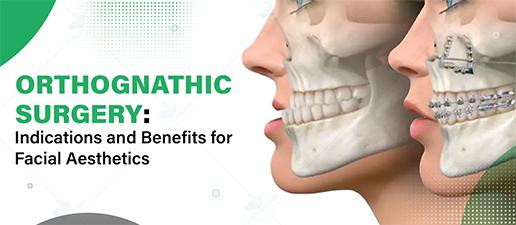
Orthognathic surgery corrects jaw alignment, improving both facial appearance and oral function.


Subscribe to our
© Copyright 2026. All Rights Reserved by Felix Healthcare Private Limited
Design and development by :


 +(91)9667064100
 Emergency : +(91)9667064100