 Emergency:
  WhatsApp




Subscribe to our

Quick Answer: What Happens If Gallstones Are Left Untreated?
Untreated gallstones can repeatedly block bile flow, leading to gallbladder inflammation, bile duct infection, or pancreatitis. Over years, chronic gall stone disease can also raise the risk of gallbladder cancer. Many stones stay silent, but once symptoms start, they usually recur and can worsen without treatment.
Have a question right now? Please call Felix Hospitals: +91 9667064100, 24x7 General and Laparoscopic Surgery Care.
Medically reviewed by Dr. Ritesh Agarwal (MBBS, MS, FIAGES), Consultant General and Laparoscopic Surgeon, Felix Hospitals, Noida and Greater Noida. Last reviewed: July 2026.
Gallstones are hardened deposits that form inside the gallbladder, a small organ tucked under the liver that stores bile to help digest fatty food. Most stones are made mostly of cholesterol, though some are made of bilirubin pigment. This condition is extremely common. Global data suggests roughly 6 in 100 adults have gallstones, and the numbers are even higher in women and in people over 60.
What makes cholelithiasis gallstones tricky is that most people never know they have them. The majority of stones are silent, meaning they sit quietly in the gallbladder without causing any pain, and are often discovered by accident during an ultrasound done for something else entirely.
Gallstones form when bile contains too much cholesterol or bilirubin, or when the gallbladder does not empty properly. Some risk factors cannot be changed, while others are within your control.
Risk Factor | Why It Matters |
Female sex and pregnancy | Reproductive hormones increase cholesterol in bile and slow gallbladder emptying |
Age over 40 | Gallstone risk rises steadily with age, especially after 60 |
Obesity or rapid weight loss | Both alter bile composition and gallbladder motility |
Family history | A genetic predisposition to gallstones is well documented |
High-fat, low-fibre diet | Encourages higher cholesterol saturation in bile |
Diabetes and metabolic conditions | Associated with higher triglycerides and altered bile chemistry |
Having one or more of these risk factors does not guarantee you will develop gallstones, and many people with no obvious risk factors still develop them. Awareness of these factors is mainly useful for understanding why gallstones are so common, and for making sensible lifestyle choices where possible.
If your doctor suspects gallstones based on your symptoms, a few straightforward tests usually confirm the diagnosis:
Abdominal ultrasound: the first-line test, quick, painless, and highly accurate at spotting gallstones in the gallbladder
Blood tests: check for signs of infection, inflammation, or a blocked bile duct, such as raised white blood cell count, liver enzymes, or bilirubin
CT scan: sometimes used if complications such as pancreatitis or perforation are suspected
MRCP (MR cholangiopancreatography): a specialised scan to look for stones that have moved into the bile duct
ERCP (endoscopic retrograde cholangiopancreatography): both diagnostic and therapeutic, used to directly visualise and remove stones from the bile duct
In most straightforward cases, an ultrasound and a basic blood panel are all that is needed before your surgeon discusses the next steps with you.
As long as a gallstone stays in the gallbladder without blocking anything, it usually causes no harm. Problems begin when a stone moves and blocks the flow of bile, either at the neck of the gallbladder or further along the bile duct. Left untreated, this blockage can trigger a chain of complications that range from uncomfortable to life-threatening.
Here is what tends to happen as untreated gall stone disease progresses over time:
A single blocked bile duct episode causes biliary colic, a bout of intense upper right abdominal pain, often after a fatty meal
Repeated blockages lead to more frequent and often more severe attacks
Prolonged blockage causes inflammation of the gallbladder wall, known as acute cholecystitis
Bile backing up into the ducts can cause infection of the biliary tract, called cholangitis
A stone lodged near the pancreatic duct can trigger pancreatitis, a serious inflammation of the pancreas
Years of chronic irritation from gallstones is linked to a higher long-term risk of gallbladder cancer, though this remains rare
This is why doctors generally do not recommend waiting once gallstones start causing symptoms. A single attack of biliary colic is often just the first sign that the cholelithiasis gallstones present are no longer silent. Waiting for the next attack to pass, only to have another one weeks or months later, is a common pattern that often ends in an emergency admission rather than a planned, low-risk elective surgery.
Time Left Untreated | What Can Happen | Why It Matters |
Weeks to months of symptoms | Repeated biliary colic attacks | Pain episodes tend to become more frequent and unpredictable |
Months of untreated blockage | Acute cholecystitis (gallbladder inflammation) | Can progress to infection or gallbladder rupture if untreated |
Stone migrates into bile duct | Cholangitis or obstructive jaundice | Bile duct infection can become life-threatening within days |
Stone blocks pancreatic duct | Gallstone pancreatitis | Can cause severe, potentially fatal inflammation of the pancreas |
Years of chronic gallstone irritation | Increased long-term gallbladder cancer risk | Rare, but risk rises with long-standing, large, or numerous stones |
Yes. When a gallstone blocks the opening of the gallbladder for an extended period, bile becomes trapped inside and the gallbladder wall becomes inflamed. This is called acute cholecystitis, and it typically causes steady, severe pain in the upper right abdomen, along with fever, chills, and nausea that does not settle on its own the way ordinary biliary colic does.
Left untreated, acute cholecystitis can progress to infection of the gallbladder wall itself, tissue death, or even perforation of the gallbladder, all of which require emergency surgery. This is one of the most common reasons untreated gallstones end up requiring urgent hospital admission rather than a planned, elective surgery.
Yes, when a stone moves out of the gallbladder and lodges in the common bile duct, the tube carrying bile to the small intestine, it can block bile flow further downstream. Trapped bile can become infected, leading to a condition called acute cholangitis. This typically presents with upper abdominal pain, fever, and jaundice, a yellowing of the skin and eyes caused by a build-up of bilirubin in the blood.
Cholangitis is considered a medical emergency because the infection can spread into the bloodstream quickly. Left untreated, cholelithiasis gallstones causing bile duct blockage of this kind can progress to sepsis, a body-wide infection that can be fatal without prompt antibiotics and drainage of the blocked duct.
Yes. The pancreatic duct and the common bile duct usually join together just before entering the small intestine, so a stone lodged at this junction can block both structures at once. When this happens, digestive enzymes back up into the pancreas instead of flowing into the intestine, causing gallstone pancreatitis.
This is one of the more serious consequences of long-standing gallstones. Gallstone pancreatitis causes intense, constant abdominal pain that often radiates to the back, and it usually requires hospital admission. In severe cases, the pancreatic tissue itself can become damaged, a condition called pancreatic necrosis, which carries a real risk of serious complications if not managed promptly.
Gallbladder cancer linked to cholelithiasis gallstones is uncommon, but doctors do recognise a connection between long-standing, untreated gallstones and a modestly increased risk, particularly with large stones, a long duration of disease, or a family history of gallbladder cancer. This is one of the reasons some patients with very large stones or a thickened, calcified gallbladder wall are advised to consider surgery even before major symptoms develop.
It is worth keeping this in perspective: the great majority of people who live with gallstones for years, even decades, never develop gallbladder cancer. Your surgeon can help assess your individual risk factors and advise whether preventive removal makes sense in your specific case.
Silent gallstones are cholelithiasis gallstones that cause no pain or symptoms at all, and they are far more common than symptomatic ones. Research suggests that only around 10 to 20 percent of people with silent gallstones go on to develop symptoms within five to twenty years, and it is only once symptoms appear that complications become a real concern.
Silent Gallstones | Symptomatic Gallstones |
Usually found by accident on a scan done for another reason | Announces itself with biliary colic, pain after fatty meals, or fever |
Generally does not need surgery right away | Usually managed with laparoscopic gallbladder removal once symptoms recur |
Low short-term risk of complications | Higher risk of cholecystitis, cholangitis, or pancreatitis if delayed |
Monitored with periodic check-ups if needed | Typically needs a surgical opinion promptly after the first clear episode |
Because it is difficult to predict which silent stones will eventually cause trouble, doctors generally recommend individualised monitoring rather than a blanket rule. If you have known gallstones and start noticing new abdominal pain, that is the point to get it checked rather than wait and see.
Treatment depends on whether the gallstones are silent or symptomatic, and on how the patient's overall health looks. Options include:
Watchful monitoring: appropriate for silent, incidentally found stones with no symptoms
Dietary changes: lower fat intake and weight management can reduce the frequency of attacks, though they do not dissolve existing stones
Medication: oral bile acid tablets can dissolve some small cholesterol stones, though this is slow and not suitable for everyone
Laparoscopic cholecystectomy: minimally invasive keyhole surgery to remove the gallbladder, and the standard, most effective treatment for symptomatic gallstones
Endoscopic procedures (ERCP): used to remove stones that have moved into the bile duct, often alongside or before gallbladder removal
Laparoscopic gallbladder removal is one of the most commonly performed surgeries worldwide, and most patients recover within a couple of weeks with small, minimally invasive incisions rather than a large open surgical cut.
Recovery from laparoscopic cholecystectomy is generally quick compared to open surgery. Most patients go home within a day or two and are back to light daily activity within a week.
Mild shoulder or abdominal discomfort for a few days, caused by the gas used during keyhole surgery
A gradual return to a normal diet, often starting with smaller, low-fat meals for the first couple of weeks
Return to non-strenuous work within one to two weeks for most patients
Full recovery and return to normal activity, including exercise, typically within three to four weeks
Occasional loose stools after fatty meals in the first few months, which usually settle as the digestive system adjusts to working without a gallbladder
Your surgeon will give you specific guidance based on your procedure and overall health, including when it is safe to resume driving, exercise, and normal work duties.
Most gallbladder attacks settle on their own within a few hours, but certain symptoms mean the gallstones have likely caused a complication that needs urgent attention. Seek medical care immediately if you notice:
Abdominal pain lasting longer than a few hours or that keeps getting worse
Fever above 38.5°C with chills
Yellowing of the skin or eyes (jaundice)
Dark urine or pale, clay-coloured stools
Persistent vomiting or inability to keep fluids down
Rapid heartbeat, confusion, or a significant drop in blood pressure
Call Felix Hospitals: +91 9667064100, 24x7 General and Laparoscopic Surgery Care, if you or a loved one experiences any of these warning signs.
Gall stone disease is one of the most common reasons patients need general surgery, and the right surgical experience makes a real difference to recovery time and outcomes. Felix Hospitals combines an experienced laparoscopic surgery team with round-the-clock emergency care for complications such as cholecystitis, cholangitis, and pancreatitis. Our team also works closely with in-house diagnostic and laboratory services, so a suspected gallstone complication can be confirmed and acted on quickly rather than waiting on referrals to outside facilities.
Feature | What It Means for You |
Dr. Ritesh Agarwal, General & Laparoscopic Surgeon | MBBS, MS, FIAGES, 11+ years, over 10,000 laparoscopic surgeries performed, trained in laparoscopic surgery at AIIMS Delhi |
Laparoscopic Cholecystectomy Expertise | Minimally invasive gallbladder removal with faster recovery and smaller incisions |
NABH Accreditation | National quality and patient safety standard |
In-House NABL Lab and Imaging | Fast diagnosis of gallstone complications on site |
24/7 Emergency and Surgical Care | Immediate management of cholecystitis, cholangitis, or gallstone pancreatitis |
CGHS, ECHS, and Ayushman Empanelled | Cashless treatment options for eligible patients |
Clinical guidance in this article is consistent with information from the National Institute of Diabetes and Digestive and Kidney Diseases (NIDDK), Johns Hopkins Medicine, and peer-reviewed literature on gallstones and gall stone disease indexed on the National Center for Biotechnology Information (NCBI).
Dr. Ritesh Agarwal, MBBS, MS, FIAGES
Dr. Ritesh Agarwal is a Consultant General and Laparoscopic Surgeon at Felix Hospitals, Noida and Greater Noida, with over 11 years of experience and more than 10,000 laparoscopic surgeries performed. He completed his MS in General Surgery from Dr. NTR University of Health Sciences, Andhra Pradesh, and his MBBS from Pondicherry University, with further training in laparoscopic surgery at AIIMS, New Delhi. He holds a Fellowship of the Indian Association of Gastrointestinal Endo Surgeons (FIAGES) and specialises in laparoscopic cholecystectomy for gallstone removal, hernia repair, and other minimally invasive procedures.
Over years, untreated gallstones can lead to repeated attacks of pain, gallbladder inflammation, bile duct infection, pancreatitis, and a modestly increased long-term risk of gallbladder cancer. Many people also live with silent gallstones for years without any complications at all.
This is uncommon. Some very small cholesterol stones can be dissolved slowly with oral bile acid medication over months, but most gallstones do not disappear on their own and tend to stay the same size or grow gradually over time.
Laparoscopic cholecystectomy is one of the most commonly performed and well-established surgeries worldwide, with a strong safety record and typically a short hospital stay. Your surgeon will discuss your individual risk based on your health history.
Yes, most people live completely normal lives after gallbladder removal. Some people notice mild digestive changes with very fatty meals in the first few weeks, which usually settle as the body adjusts.
Silent gallstones cause no pain and are usually found incidentally on a scan. If you start noticing pain in the upper right abdomen, especially after fatty meals, fever, or yellowing of the skin, that suggests the gallstones have become symptomatic and needs medical evaluation.
Fatty, fried, and heavily processed foods tend to trigger gallbladder attacks because fat stimulates the gallbladder to contract. Many patients find smaller, lower-fat meals help reduce the frequency of symptoms while they wait for treatment.
Once gallstones cause a clear attack of biliary colic or a complication such as cholecystitis, doctors generally recommend planning for surgery fairly soon, since further attacks and complications become more likely the longer treatment is delayed.
Yes, biliary colic often causes significant pain without fever. Fever, chills, and more constant pain usually suggest the gallstones have caused an infection or inflammation such as cholecystitis or cholangitis, which needs urgent attention.
Yes, gallstones become more common with age and are more frequent in women, partly due to the influence of reproductive hormones. Obesity, rapid weight loss, and family history are other well-recognised risk factors.
In most cases, yes. Laparoscopic cholecystectomy removes the entire gallbladder along with any stones inside it. If a stone has migrated into the bile duct, an additional endoscopic procedure may be needed to clear it.
No, once the gallbladder is removed, gallstones cannot form there again since the organ that produced them is gone. In rare cases, a stone that was already in the bile duct at the time of surgery can cause symptoms afterward, which is why some patients need a follow-up endoscopic procedure.
Yes, this is actually the most common situation. Silent gallstones cause no pain at all and are often found incidentally when a scan is done for an unrelated reason. Many people live with silent gallstones for their entire lives without ever needing treatment.
Despite the similar names, these are different conditions in different organs. Gallstones form in the gallbladder from bile components such as cholesterol or bilirubin, while kidney stones form in the urinary system from minerals such as calcium and oxalate. The symptoms, causes, and treatments are quite different, though both can cause severe abdominal or flank pain when they cause a blockage.
Yes, Felix Hospitals offers 24x7 emergency and laparoscopic surgical care for gallstone complications, including acute cholecystitis, cholangitis, and gallstone pancreatitis, under Dr. Ritesh Agarwal and the general surgery team.
Dr. Ritesh Kumar Agrawal is an experienced Laparoscopic Surgeon with 11+ years of expertise in advanced minimally invasive procedures, delivering personalized care and effective surgical outcomes.
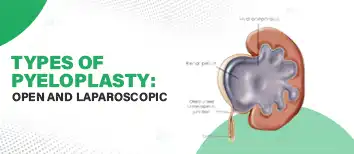
Learn about open and laparoscopic pyeloplasty, their benefits, and when they’re used to treat kidney blockage.

Laparoscopic surgery is a minimally invasive procedure with small cuts, offering quicker recovery, less pain, and minimal scarring.


Subscribe to our
© Copyright 2026. All Rights Reserved by Felix Healthcare Private Limited
Design and development by :


 +(91)9667064100
 Emergency : +(91)9667064100