 Emergency:
  WhatsApp

Subscribe to our
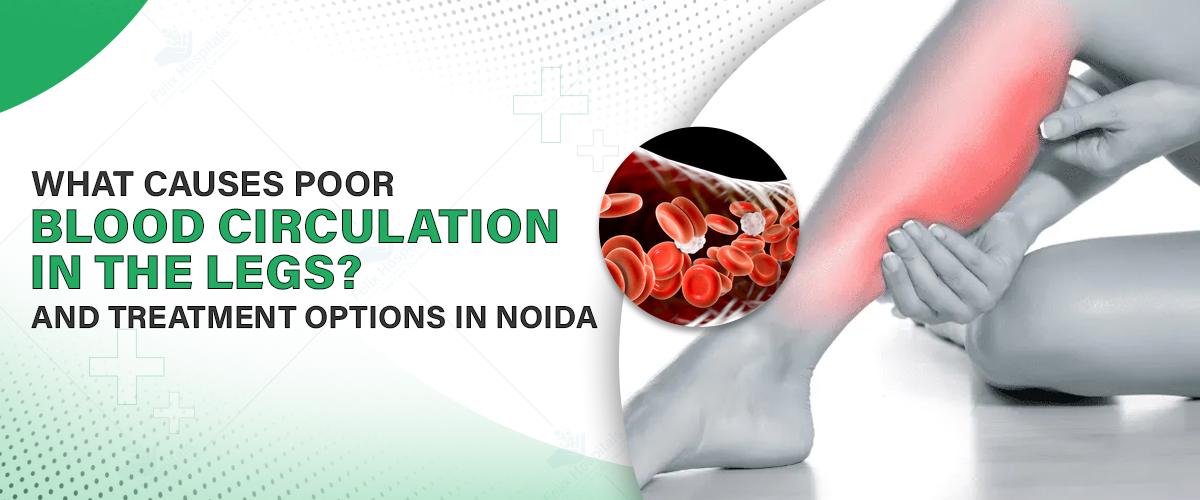
Poor circulation is what the flow of the blood is responsible for, delivering nutrients and oxygen to the body. Poor leg and foot circulation impacts these alone, but secondary diseases can be represented as well.
A number of causes may result in impaired blood circulation in the legs and feet, some of which are narrowed arteries, blood clots, and less effective veins that restrict effective circulation of the blood. In realizing such systems, it is simple to address circulatory disorders efficiently.
Age factors
Decreased physical activity, aortic thickening, and reduced baroreceptor sensitivity are some of the frequent etiologies of impaired blood circulation among elderly individuals.
Atherosclerosis
Atherosclerosis, a hardening of the arteries, is one of the major causes of circulatory issues, and the disease carries the risk of developing into Peripheral Artery Disease (PAD) if left untreated.
Environmental and Genetic Factors
Cold weather can lead to constriction of blood vessels, worsening the problem of circulation. Heredity is also implicated since some individuals are more prone to circulatory issues.
Deep Vein Thrombosis (DVT)
Deep Vein Thrombosis (DVT), a blood clot in a deep vein, typically in the lower leg or thigh, could have devastating effects in the form of pulmonary embolism if the blood clot gets lodged in the lung.
Diabetes causes a number of health issues such as disrupted blood supply, kidney disease, and greater danger of heart disease and stroke.
Sedentary lifestyle
Sedentary lifestyle is bad for muscles, bones, the immune system, and circulation. Sitting or standing for long periods can be bad for circulation. Regular short walks and uncrossed legs when sitting can be a good thing.
Obesity
Obesity not only leads to joint and bone issues, sleep apnoea, and cardiovascular issues but can also lower circulation.
Peripheral Arterial Disease (PAD)
Peripheral Artery Disease (PAD) is a form of atherosclerosis that results in the accumulation of plaque in the arteries and subsequently constricted or obstructed blood flow.
Smoking
Smoking is a major cause of extensive vascular damage, leading to turbulent blood flow and enhanced risk of a variety of health issues.
Chronic venous insufficiency
Chronic venous insufficiency, where blood lingers in veins instead of being pumped to the heart, is caused by genetics, age, pregnancy, weight, or lack of activity.
Swollen arteries and veins (varicose or "spider" veins).
Heavy feeling in legs and feet
Skin discoloration.
Swollen feet and legs.
Split, oozing skin.
Pelvic pain or discomfort.
Restless legs and feet
Numbness and tingling.
Aching and leg pain
Unable to grow hair on the legs and feet.
Toenails grow slowly, or no longer at all.
In case of sudden pain in the leg, swelling in a single leg, chest pain, dizziness, or pain that runs from the calf down to the knee, seek immediate medical care since this is a potential medical emergency in the form of a deep vein thrombosis, or DVT.
Poor circulation worsens by itself and can cause additional medical issues. Cuts will heal much slower if you have poor blood flow in your feet and legs. This may cause the effect of a small cut turning into an ulcer, and ulcers become infected. Talk to your doctor about treating any sicknesses that cause poor circulation, like high blood pressure, PAD, or diabetes.
The first course of treatment for compromised circulation of the blood is to see your vascular specialist. They may prescribe an exercise and diet regimen, as well as medication, but some do best with vascular procedures like angioplasty or bypass surgery.
Your vascular doctor will walk you through a thorough medical history, examine your lower legs, and potentially order venous doppler imaging to further investigate your circulatory system and diagnose you. After you've been diagnosed, your vascular doctor will sit down with you to create a thorough treatment plan. Treatment includes, but isn't limited to:
Regular exercise, leg elevation, compression clothing, stopping smoking, and keeping a healthy weight are all necessary steps. Regular, low-impact exercise, a healthy weight, stopping smoking, and controlling your blood pressure, blood sugar, and cholesterol can all help you avoid additional difficulties caused by poor blood circulation. Consuming heart-healthy foods such as cinnamon, dark chocolate, nitrate-rich meals, dark berries, and healthy fats will help with circulation.
For some, operations such as angioplasty or bypass surgery may be required. These therapies are intended to enhance blood flow and reduce discomfort.
Regular consultations, ultrasound , and a treatment plan tailored to each individual's needs are all part of aftercare. Regular check-ups can help discover circulatory problems early. Blood pressure and cholesterol levels are important markers to monitor.
Staying hydrated is essential for proper circulation. A diet high in omega-3 fatty acids, such as those found in fish, nuts, and seeds, can also benefit vascular health.
Chronic stress can restrict blood arteries and impair circulation. Meditation, yoga, and even simple breathing techniques can help reduce stress.
If you are experiencing compromised leg circulation, you need to have someone take a look at you at a vascular specialist. Vascular specialists only deal with your vascular system, which includes your arteries, veins, and lymphatic vessels. They are more trained than family physicians to diagnose and treat blood circulation disorders.
It is important to see a vascular physician for proper diagnosis and treatment, particularly for symptoms of leg or pelvic pain. Pain in the legs, numbness, discoloration, or swelling are typical signs of the occurrence of underlying conditions.
Vascular doctors utilize specialized diagnostic equipment and methods to identify the exact vascular condition causing these symptoms.
Our vascular experts at the Centre for Vascular Medicine are able to provide a full treatment plan that is tailored to the unique condition and requirements of the patient.
If lifestyle modifications and initial visits to the doctor do not resolve the issue, seek out a vascular specialist, who can give more sophisticated treatments and recommendations.
Every patient's situation is different. Specialists develop customized treatment plans following careful examination of the patient's individual requirements and health history.
The specialists employ cutting-edge diagnostic technology like Doppler ultrasounds, CT angiograms, and MRIs to analyze blood flow and artery health, providing more precise diagnosis than a family doctor's office.
Vascular physicians offer more than medication and dietary changes. They are capable of performing minimally invasive procedures such as angioplasty or stenting and more involved surgery such as bypasses or vascular grafting. With the ability to deliver a greater assortment of treatment, it can be possible to have a better way of treating specific patient need.
A commitment for a lifetime is needed for vascular health. The doctors at the Centre for Vascular Medicine treat current disorders with an eye to prevention to prevent future vascular issues. We work together with patients to create long-term treatment strategies including lifestyle modification, regular testing, and ongoing medical attention.
Patients with severely or critically ill vascular diseases like deep vein thrombosis or peripheral artery disease might need the services of a vascular surgeon. Experienced medical professionals who are trained in handling complicated cases with utmost care and the most modern of medical procedures would be necessary in such situations.
Adequate blood supply to the feet and legs is essential to general health and well-being.
Lifestyle modification, frequent consultation with the physician, and individually designed care plans are needed to treat and improve blood flow successfully.
By working closely with experienced vascular surgeons and following their guidance, patients can achieve positive outcomes and enjoy a better quality of life.
Vascular surgery involves surgical procedures designed to treat disorders of the vascular system.
Vascular surgery is an essential procedure to treat circulatory system issues, but its cost can be a concern for many patients. Understanding the factors that influence the cost, finding ways to reduce expenses, and choosing the right hospital for it.
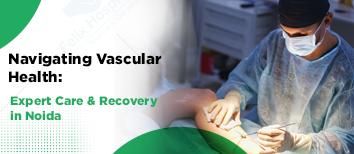
Expert vascular care in Noida for conditions like varicose veins and artery blockages, ensuring timely treatment and smooth recovery.


Subscribe to our
© Copyright 2026. All Rights Reserved by Felix Healthcare Private Limited
Design and development by :


 +(91)9667064100
 Emergency : +(91)9667064100