 Emergency:
  WhatsApp

Subscribe to our
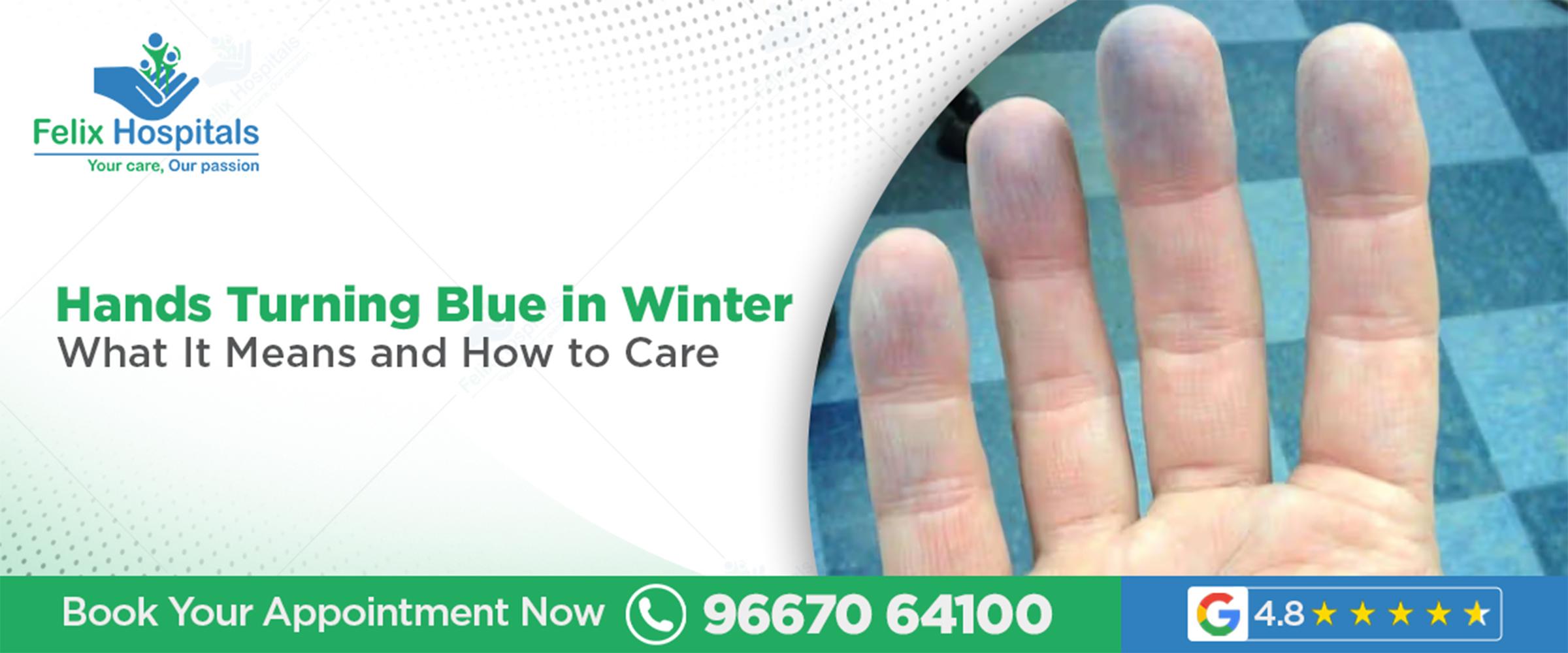
Cold winter months often bring noticeable changes in the body, and one common yet concerning issue many people experience is hands turning blue in winter. While mild color changes may seem harmless, persistent or recurring discoloration can indicate underlying circulation problems. Cold hands are generally a sign of less circulation of the blood. These symptoms are ignored, which postpones the diagnosis of vascular problems. It is important to learn how and why the change occurs, how severe it is and when you should visit the Best Vascular Surgery Hospital in Noida to safeguard your vascular health in winter.
Experiencing persistent hand discoloration or numbness? Consult experts at the Best Vascular Surgery Hospital in Noida. Call +91 9667064100 to book your appointment.
Blue hands in cold weather occur when blood vessels tighten to retain core heat. This reaction can reduce blood supply to your fingers. Your hands are purplish or bluish when the blood that is supposed to get to the skin does not contain enough oxygen. Other individuals have exaggerated reactions causing discomfort, numbness as well as apparent discoloration despite mild cold.
Cold-induced discoloration indicates that circulation cannot adapt to temperature changes.Excessive constriction reduces oxygen supply to the blood vessels leading to increase in cold sensation and doing more harm.
Winter circulation problems are common among those with vascular issues, diabetes, or a smoking history. The low temperatures raise the viscosity of blood and result in a decreased flow rate thus causing difficulties in supplying blood to extremities. The decreased flow may lead to stiffness, numbness and slow recovery of minor injuries.
Hands feel cold even when indoors
Colour change of skin from pale to blue and then to red
Numbness or feeling of pricking pins and needles in the fingers
Increased cold sensitivity
Stiff fingers are difficult to move
Grip weakness
Fingers take long time to warm up after being in the cold
Skin is tight or waxy
Small cuts or wounds on your hands that don't heal quickly
Poor blood circulation in hands may hamper day-to-day life particularly during winter. Discomfort and weakness are experienced when tissues do not get enough oxygen and nutrients. Poor circulation over a long period of time increases the chances of having an ulcer or infection. In case the symptoms persist without any improvement, consult a doctor.
Blue finger causes include simple temporary cold exposure and chronic vascular disease. Blue fingers in certain instances may indicate blockages or spasms of the vessels which limit the flow of blood. Early diagnosis can be used to treat the illness and avoid chronic complications.
Extreme cold exposure
Raynaud’s phenomenon
Vascular disease is the cause of poor circulation.
Autoimmune conditions
Smoking and nicotine use
Raynaud’s phenomenon symptoms manifest itself in triple colour change. Blood vessels overreact to cold or stress causing the first appearance of fingers becoming white, then turning to blue but eventually resumes normal circulation and makes fingers turn red. These episodes are painful and would aggravate when not treated. Raynaud’s can be single or accompanied with other aspects of the vascular equation of vascular or autoimmune illness in up to 5 percent of individuals.
Circulation problems make living life more difficult; writing, cooking, getting out of bed. Constant numbness or pain reduces hand dexterity and grip strength. Overtime, recurring episodes can either lead to skin alterations or slow-healing sores. Prevention of circulation problems at an early age enhances comfort and independence.
Color | What It Means | Action Needed |
Pale white | Blood vessels completely constricted | Warm hands gently |
Blue/purple | Limited oxygen reaching tissues | Monitor frequency |
Bright red | Blood rushing back, may be painful | Normal return phase |
Persistent blue | Chronic circulation problem | See specialist soon |
Blue + pain | Severe circulation issue | Medical attention needed |
Blue + numbness | Nerve and circulation affected | Consult doctor |
The clinical examination and tests are used to diagnose hand discoloration by doctors. They examine your symptoms history, patterns and physical observation to identify the presence of circulation problems. Additional examinations measure the blood flow and vascular condition, which is used to define severity and determine the treatment.
Physical and Symptom Assessment The doctor looks at your hands, examines your skin colour and temperature, and asks about when the discoloration occurs and how long it lasts. This gives the first clear indication of how serious the problem is.
Cold Stimulation Test Your hands are briefly exposed to cold to observe how your blood vessels respond. Colour change occurs more rapidly and more dramatically in people with circulation issues, confirming cold as the trigger.
Doppler Ultrasound A small probe that uses sound waves is passed over your hands and wrists to examine blood flow through the vessels. It identifies any blockage or narrowing causing the cold blue fingers.
Blood Tests for Autoimmune Markers A simple blood test that determines whether an autoimmune condition like lupus or scleroderma is the underlying reason your hands are turning blue in winter.
Nail-Fold Capillaroscopy A magnifying lens is placed at the base of your fingernail to examine the tiny blood vessels there. Distorted or reduced vessels confirm whether the smallest blood vessels in your hands are the root of the problem.
The medication should enhance blood flow and prevent allergens. The plan is based on the severity and cause. Light cases can be treated as lifestyle changes. There are severe cases which demand medical attention.
The strategies of treatment are:
Wear good gloves to keep your hands warm.
Take physical exercise every day to improve circulation.
Vessel relaxing drugs (calcium -channel blockers)
Control other related disorders such as diabetes.
Do not smoke and do not be stressed.
Minuscule changes to the lifestyle can reduce the number of episodes significantly. Put on insulated gloves prior to outdoor outing, do not experience drastic temperature variations and remain physically active to enhance circulation of blood. Smoking must not be given up, nicotine constricts vessels and makes circulation worse by as much as 50 percent.
Wear heavy clothes during cold weather.
Warm your entire body and not just your hands.
Please do not use caffeine, which constricts vessels.
Eat often to enhance blood flow.
Relax with stress management methods.
Stay hydrated
Do not keep cold things in your hands.
Give specialist attention to the case when the symptoms do not disappear. Vascular specialists examine the condition of the vessels and check vessel blockage or spasm which leads to discoloration. Specialist treatment prevents the progression, enhances the functioning of hands, and manages underlying disease.
Hospital-based care at the Best Vascular Surgery Hospital in Noida brings advanced diagnostics and comprehensive treatment. The multidisciplinary team is precise in its diagnosis and the recent technological advancement, where it provides effective planning and optimal results.
Constant discolour, appearance of pain, or lack of sensation must not be overlooked. Provided that symptoms are frequent, and even the minimum exposure to cold causes them, one needs to visit a doctor. Diagnosis at an early age enhances the results and avoids complications to the problems of chronic circulation.
Blue hands prolonged over 15-20 minutes.
Even mild colds cause discoloration.
Painful color changes
Sores or ulcers on fingers
The one on the other hand is by far the worse.
Symptoms that disturb normal functioning.
Get an accurate diagnosis and advanced vascular care from the Best vascular surgeon in Noida. Book a specialist consultation with Call +91 9667064100.
Hands turning blue in winter might seem harmless, but they can signal underlying circulation issues that need attention. Awareness of the causes, warning signs, and prompt treatment may help preserve and maintain vascular well-being. With appropriate lifestyle changes and expert support from the Best Vascular Surgeon in Noida, individuals can manage symptoms effectively and maintain hand function during colder months.
Your hands need proper blood flow throughout the year. It is never too late to protect your vascular health, but it is always recommended to get a timely evaluation to prevent the condition from worsening.
Ans: Not quite While cold is the most frequent offender, emotional stress can also trigger the same blood vessel spasms that cause fingers to turn blue. This is actually a hallmark of Raynaud's phenomenon that affects cold and stress. If so frequently during stressful moments they should be looked at vascular wise and not swept away as anxiety.
Ans: Yes. Raynaud's phenomenon and other circulatory diseases often develop in young adults, especially females aged 15-30. Being young does not protect you. An early evaluation to see a doctor can keep the disorder from progressing if your fingers often change color in the cold or when you are upset.
Ans: To a large extent, yes. Anaemia and Iron deficiency reduce the oxygen carrying capacity of blood and this can exacerbate hypoxia induced discolouration in cold weather. Foods high in omega-3, magnesium, and vitamin B12 promote good circulation. A blood test can determine if nutritional deficiencies are playing a role in your symptoms.
Ans: Yes. When one hand is more discolored than the other, it can suggest a localised circulation problem or vessel problem on that side, as opposed to a generalised circulation disturbance. Such asymmetry should be immediately investigated with a Doppler, to evaluate the blood flow in each hand separately.
Ans: Most of the time the colour goes back to normal after warming up the hands. But if the blue discoloration remains after warming or if it occurs more often, that means the vessel damage is progressing. With early treatment the majority of patients improve markedly and many become completely symptom-free with appropriate management.
A complete guide to understanding varicose vein surgery expenses in Noida, including treatment types, hospital charges, and recovery costs.

Varicose veins can be treated effectively in Noida. Explore modern solutions for pain-free, healthy legs
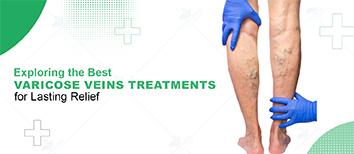
Symptoms can include pain, itching, or a burning sensation, though the condition is generally not dangerous.
While varicose veins are often a cosmetic concern, they can also lead to symptoms like pain, discomfort, and even complications like ulcers or blood clots in severe cases.


Subscribe to our
© Copyright 2026. All Rights Reserved by Felix Healthcare Private Limited
Design and development by :


 +(91)9667064100
 Emergency : +(91)9667064100