 Emergency:
  WhatsApp

Subscribe to our
The mobility, balance, and general quality of life of people are subject to changes due to various neurological disorders as they age. Vascular parkinsonism is one of the conditions that specifically affect older women and is a complication that resembles the symptoms of Parkinson’s disease but has a different cause—damage to the blood vessels in the brain. Vascular parkinsonism, particularly in elderly women, needs to be understood for early identification and effective management. Unlike classical Parkinson’s disease, it requires a distinct diagnostic and treatment approach.
For residents of Noida and nearby areas, awareness of symptoms and access to advanced vascular parkinsonism care, including services at the Best Vascular Surgery Hospital in Greater Noida, ensures timely, high-quality treatment and improved outcomes.
Do you or an elderly woman you are taking care of have symptoms of shuffling or stiffness and loss of balance? Call us immediately at +91 9667064100.
Vascular parkinsonism (VP) is a type of neuro-degenerative disorder due to the little blood circulation and destruction of minute blood vessels in the brain, especially the ones that regulate movement. It is caused by numerous minor strokes or by sustained ischemic injury to areas of the brain involved in motor functions, most prominently the basal ganglia. Although it has certain similarities with the Parkinson disease (PD) signs, including body stiffness and difficulty with walking, the etiology and course is quite different.
Clinical manifestations not related to PD and tend to be more severe in the legs.
Stroke or vascular risk factor medical history.
MRI of vascular lesions and not of the expected neurodegenerative lesions in PD.
Older females who have vascular parkinsonism tend to have their own distinct list of symptoms that affect their locomotion and autonomy. These include:
Shuffling or slow walking: A unique gait disorder in which individual steps are smaller and more cautious.
Stiffness and rigidity in the muscle: Particularly legs, which causes problems in smooth movements.
Balance issues: greater susceptibility to falls because of poor postural control.
Freezing episodes: sudden loss of ability to step forward when walking (freezing of gait)
Tremors-They are less frequent than Parkinson disease but can occur later in the illness.
Weakness of limbs: Can result in inability to perform normal activities such as dressing or attaching buttons.
Speech problems: Soft, slurred speech may also arise as time goes on.
Changes in cognition and emotion: There is a risk of memory problems, problems with concentration, sleep disturbances or depression in some women.
Due to the fact that most of them share their symptoms with other aging conditions, it is desirable to assess them with specificity.
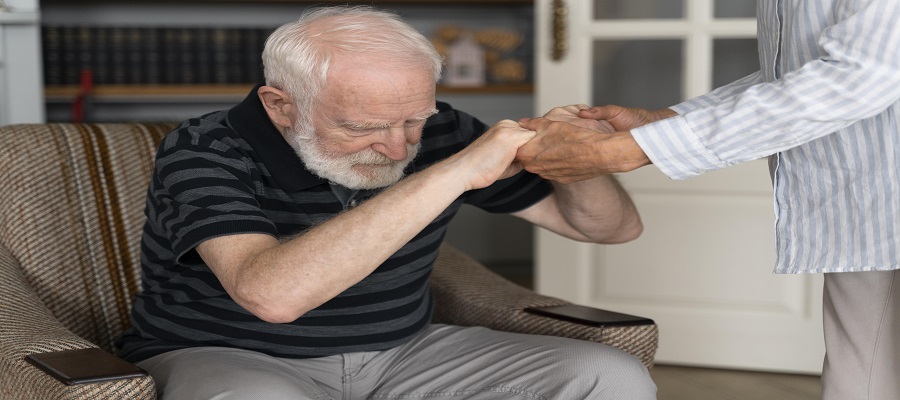
The cerebrovascular disease causes small strokes or chronic low blood flow, which is the main cause of vascular parkinsonism. Major risk factors include:
Hypertension (high blood pressure): One of the major causes of blood vessel damage.
Diabetes: causes vascular damage to the brain.
Smoking: Risk of vascular diseases.
Stroke or transient ischemic attacks (TIAs) history.
Atherosclerosis: The hardening and constriction of arteries that limit the flow of blood.
Elderly women can be particularly susceptible because of their long-term exposure to these risk factors in combination with hormonal changes that have an impact on the health of the vesicles.
Vascular parkinsonism should be diagnosed by:
History taking and close neurological examination.
Clinical examination to rule out Parkinson disease (i.e., asymmetric symptoms and lower body involvement are more common in VP)
MRI of the brain with changes in the white matter and lacunar infarcts (small strokes) in motor control areas.
Vascular risk factor assessment and cardiac health also need to be assessed.
Proper diagnosis plays an important role in selecting the most appropriate form of treatment.
Treatment of vascular parkinsonism in Noida is aimed at symptom management, vascular risk factor management, and quality of life improvement:
Medication: Drugs traditionally used to treat Parkinson such as levodopa have short effects; treatment involves control of blood pressure, cholesterol and diabetes.
Physical therapy: Mobility, balance and muscle-strengthening exercises.
Occupational therapy: Helps in the execution of daily activities on an independent basis.
Speech therapy: Speech therapy is used to help people communicate better.
Lifestyle change: Diet, managed smoking withdrawal, and exercise can prevent additional vascular injury.
Monitoring and treating cardiovascular disease: minimizing risks to avoid another stroke.
Vascular parkinsonism is progressive, but these treatments can be used to preserve function and delay progression.
Vascular parkinsonism poses particular problems for geriatric women in the form of movement difficulties and balance issues that affect autonomy. Symptom control and quality of life can be significantly improved through early identification and effective management of vascular parkinsonism in Noida. Management focuses on treating vascular risk factors, rehabilitation, and supportive care. The key to managing the disease is vigilance, ongoing medical treatment, and lifestyle modifications, which can help slow disease progression.
For elderly women showing signs of vascular parkinsonism, timely consultation with specialists at the Best hospital in Greater Noida is crucial. With appropriate management, personalized treatment plans, and supportive interventions, most patients can maintain a good quality of life and independence.
With proper rehabilitation and therapy, living with a disability becomes easier. Book your appointment so that you can live a hassle-free life.
Find the links below:
Check the links below:
Q1: What is vascular parkinsonism and what is the difference between it and Parkinson disease?
Ans: Vascular parkinsonism occurs due to impaired blood circulation or small strokes to the brain regions that regulate movement and has similar symptoms as Parkinson disease but in many cases is more about lower body and gait difficulties. It is caused by vascular damage as opposed to neurodegeneration as was the case in the classic Parkinson disease.
Q2: What are the typical signs of vascular parkinsonism in older women?
Ans: There are slow, shuffling gait, stiffness of the legs, trouble with balance and coordination, less noticeable tremors, muscle rigidity, and occasionally, changes in thinking such as memory loss or confusion.
Q3: What is the cause of vascular parkinsonism in old age women?
Ans: It is mostly brought about by cerebrovascular disease which is brought about by risk factors such as high blood pressure, diabetes, smoking, strokes and atherosclerosis (narrowing of blood vessels).
Q4: What is the diagnosis of vascular parkinsonism?
Ans: Diagnosis is based on clinical review, prior medical history such as vascular risk factors, and brain imaging such as MRI which presents vascular lesions. The symptom pattern and imaging results distinguish it as a disease different to that of Parkinson.
Q5: Could vascular parkinsonism be treated?
Ans: In spite of the limited response to standard Parkinson drugs, the treatment is aimed at the vascular risks, physical, occupational, speech therapy and increased circulation of the blood. Having lifestyle changes that can regulate hypertension, diabetes, and cholesterol is important.
By working closely with experienced vascular surgeons and following their guidance, patients can achieve positive outcomes and enjoy a better quality of life.
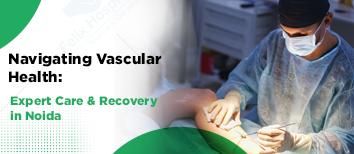
Expert vascular care in Noida for conditions like varicose veins and artery blockages, ensuring timely treatment and smooth recovery.
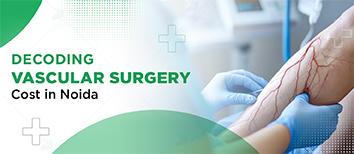
Vascular surgery is an essential procedure to treat circulatory system issues, but its cost can be a concern for many patients. Understanding the factors that influence the cost, finding ways to reduce expenses, and choosing the right hospital for it.


Subscribe to our
© Copyright 2026. All Rights Reserved by Felix Healthcare Private Limited
Design and development by :


 +(91)9667064100
 Emergency : +(91)9667064100