 Emergency:
  WhatsApp

Subscribe to our
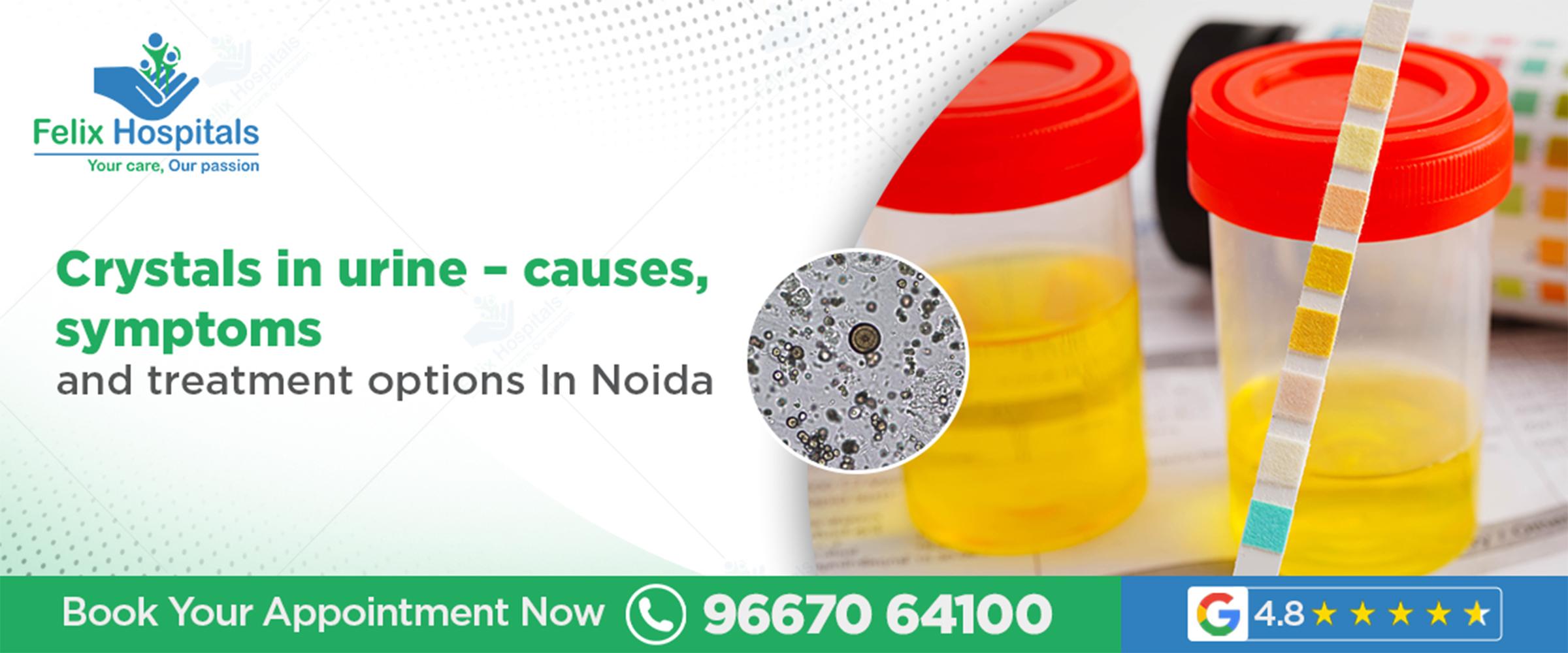
Finding crystals in your urine can feel alarming, especially if you’ve never experienced urinary problems before. While some crystals are harmless and temporary, others may indicate underlying issues such as dehydration, infection, metabolic disorders, or early signs of kidney stones. Understanding what these crystals mean—and when to seek medical attention—is essential for protecting long-term kidney and urinary health. People looking for specialized care often turn to the best urology hospital in Noida for accurate diagnosis and targeted treatment.
Spot Crystals in Urine? Get expert diagnosis & treatment options in Noida now! Call +91 9667064100
Urine crystals form when minerals in the urine cluster together into tiny solid particles. This can happen when your urine becomes too concentrated, or its chemical balance changes. Different minerals create different types of crystals, and identifying them helps doctors determine the root cause. People experiencing frequent urinary issues should consider consulting an urology doctor in Noida for early assessment.
There are several reasons why crystals may appear in your urine. Dehydration is the most common cause, as it makes the urine highly concentrated. Certain foods, medications, and supplements can also change the urine’s pH levels, encouraging crystal formation. In some cases, metabolic disorders or underlying kidney conditions may be responsible. These issues are often evaluated at the best urology hospital in Noida for complete and advanced testing.
Different types of urine crystals can indicate different health concerns.
Calcium oxalate crystals – Often linked to low fluid intake, high-oxalate diets, or early stages of kidney stones.
Uric acid crystals – Associated with gout, high-protein diets, or dehydration.
Struvite crystals – Usually form due to urinary tract infections.
Cystine crystals – Rare and linked to genetic conditions.
If you notice recurring symptoms, visiting an urology doctor in Noida can help determine the exact type of crystal present.
Most of the time, urine crystals are discovered during routine tests. However, some symptoms may indicate that the crystals are part of a more serious issue:
Burning sensation while urinating
Lower abdominal discomfort
Cloudy or foul-smelling urine
Blood in urine
Pain in the sides or back
Symptoms like these may point to kidney stone early signs, which require prompt medical evaluation at the best urology hospital in Noida.
Yes—crystals can be an early warning sign of kidney stone formation, especially when they appear consistently. When untreated, these crystals can grow into larger stones causing severe pain, blockages, and infections. People with a history of stones should regularly visit an urology doctor in Noida for preventive monitoring.
Diagnosis usually involves:
Urinalysis
Urine pH testing
Microscopic examination
Stone-risk profiling
In some cases, doctors may recommend ultrasound or CT scans to rule out stones. Patients who require detailed evaluation often choose the best urology hospital in Noida for accurate diagnosis.
Treatment depends entirely on the type and cause of the crystals. Common approaches include:
Increasing daily water intake
Adjusting diet based on crystal type
Treating underlying infections
Using medications to change urine acidity
More complex cases—such as recurrent stones or metabolic disorders—are managed by an experienced urology doctor in Noida for long-term care.
Calcium oxalate is the most common type of urine crystal. Management involves dietary corrections like reducing spinach, beets, nuts, tea, and chocolates—foods high in oxalates. Patients with frequent occurrences may require tailored treatment plans at the best urology hospital in Noida.
Uric acid crystals require a different approach. Doctors typically recommend a balanced, low-purine diet, good hydration, and sometimes medication to lower uric acid levels. In persistent cases, consultation with an experienced urology doctor in Noida becomes essential.
You can reduce your risk by:
Drinking 2–3 liters of water daily
Maintaining a balanced diet
Avoiding excessive salt and protein
Treating UTIs promptly
Managing metabolic conditions
People with chronic symptoms often seek preventive care at the best urology hospital in Noida.
Seek medical help immediately if:
You experience severe lower-back or abdominal pain
You notice blood in your urine
Your symptoms keep returning
You have a family history of kidney stones
Quick evaluation by an experienced urology doctor in Noida helps prevent complications.
End Crystals in Urine worries with personalized treatment options in Noida. Call +91 9667064100 for relief!
Crystals in urine can be harmless or a sign of an underlying urinary disorder, depending on the type, cause, and accompanying symptoms. Timely diagnosis, preventive care, and appropriate treatment significantly reduce the risk of kidney stones and long-term urinary complications. If you’re experiencing persistent urinary symptoms, discomfort, or repeated crystal formation, seeking evaluation from the best urology doctor in Noida ensures accurate diagnosis and proper management.
Q.1. Are crystals in urine always serious?
Ans. Not always. Some crystals appear due to dehydration or diet, but repeated findings require medical evaluation.
Q. 2. Can urine crystals turn into kidney stones?
Ans. Yes, certain crystals—especially calcium oxalate and uric acid—may develop into kidney stones if not managed early.
Q. 3. Do urine crystals cause pain?
Ans. Crystals alone usually don’t cause pain, but if they irritate the urinary tract or lead to stones, discomfort may occur.
Q. 4. What foods should I avoid if I have urine crystals?
Ans. This depends on the crystal type. High-oxalate foods, excessive salt, or high-protein diets may need modification.
Q. 5. When should I see a doctor for urine crystals?
Ans. If you have pain, blood in urine, burning sensation, recurrent crystals, or a history of stones, consult a specialist promptly.
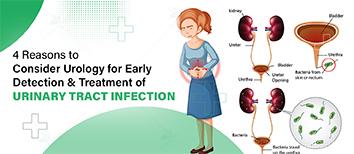
One of the best hospitals for urinary tract treatment in Noida offers comprehensive urology care, featuring expert urologists and advanced diagnostic and treatment facilities.
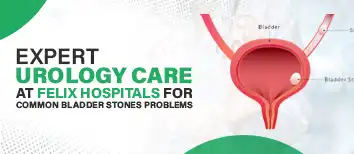
Expert urology care at Felix Hospital for bladder stones: causes, symptoms & treatments.

Urological health is vital for well-being, influenced by diet and exercise. Good nutrition and activity help prevent conditions like UTIs, kidney stones, and cancers.


Subscribe to our
© Copyright 2026. All Rights Reserved by Felix Healthcare Private Limited
Design and development by :


 +(91)9667064100
 Emergency : +(91)9667064100