 Emergency:
  WhatsApp

Subscribe to our
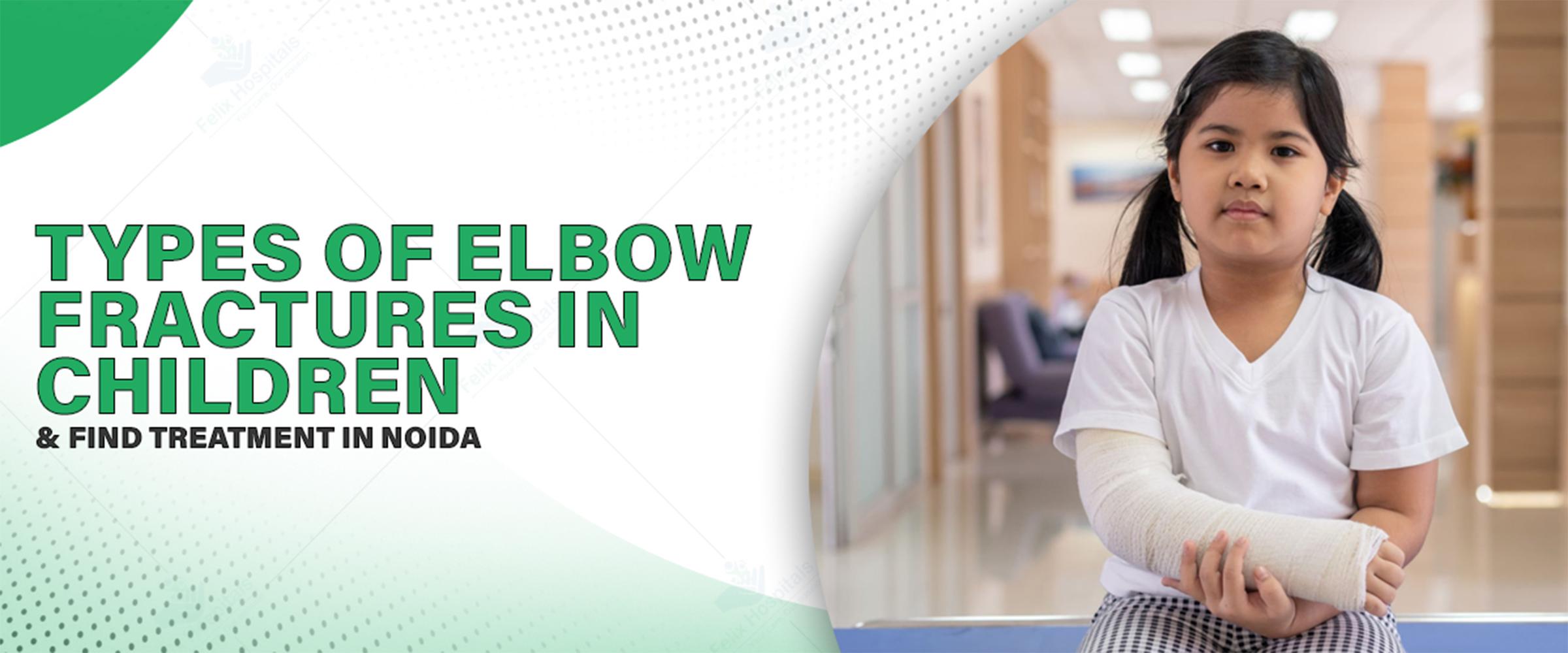
Children often break their elbows, which is one of the most common bone injuries. Parents may be worried about these kinds of injuries, especially when they involve young bones that are still growing and need special care.
Elbow fractures are one of the most common types of bone injuries in kids. A sudden impact on the elbow joint can happen in a simple fall on the playground or during a sports game. It is important to know the different kinds of elbow fractures that can happen to kids so that they can be diagnosed quickly, treated properly, and fully healed. Expert help at the best orthopedic hospital in Noida makes sure that healing goes well and that problems are less likely to happen.
From fracture to full recovery — call +91 9667064100 for expert pediatric care.
A sudden impact can hurt one of the three bones that make up the elbow joint: the humerus (upper arm), radius, or ulna (forearm). This can happen in a lot of different ways, from falling on the playground to playing sports. The growth plates near the ends of the bones are very weak, and injuries there can affect how bones grow in the future if they aren't treated properly. Depending on how the injury happened and how hard it was, the fracture could cause the joint to be out of alignment, limit movement, or cause swelling. This makes it very important to get the right diagnosis for different types of elbow fractures in children and treatment for the right age so that the child can fully recover.
There are different kinds of elbow fractures that kids can get, and knowing which one your child has can help you give them the right care:
This is the most common type, and it's often the most serious. It happens just above the elbow and usually affects kids younger than 8. The worry with this type is that it can affect nearby blood vessels and nerves.
This fracture happens at the bony knobs of the elbow and affects the outside or lateral part of the humerus. It needs to be carefully managed because it affects the joint surface and the growth plate.
Most of the time, these happen on the bony bumps above the elbow joint, on the inside. Children aged 9 to 14 are more likely to get them, and they often happen when the arm is stressed from sports or falls.
Children's growth plates, also called physes, are especially weak. If this fracture isn't treated correctly, it could cause uneven growth or joint deformities later on.
These happen less often, but they do happen in the bones of the forearm near the elbow. Often happen because of injuries from direct impact or twisting.
This is a complicated injury because the ulna is broken and the radius is out of place. Immediate care is very important to avoid long-term disability.
Knowing about types of elbow fractures in children can help parents and doctors in what to do next.
The most common causes of elbow fractures in children are:
Falling on a hand that is outstretched
Direct hit on the elbow
Injuries from sports, like gymnastics and football
Accidents on the playground
Kids ages 5 to 14 are especially at risk because they are active and their bones are still growing.
Pain is the most obvious sign of an elbow fracture, but there are other signs as well:
Swelling or bruising around the elbow
Not moving the arm
Fingers or hands that feel numb
An arm that looks bent or crooked in a strange way
If your child has any of these symptoms, you should take them to the doctor right away. Finding problems early can make them a lot less serious.
Most of the time, doctors start by doing a physical exam and asking how the injury happened. X-rays are the most common way to find out what kind of fracture it is and if the bones have moved. When growth plates are involved, both arms may be x-rayed to compare them in some cases.
The kind and severity of the fracture will determine how Pediatric elbow fracture treatment Noida is done. Usually, the choices are:
For fractures that are stable and not moving:
To keep the arm still, splints or casts are used.
Your doctor may give you painkillers.
X-rays every so often to check on healing
Before putting on a cast, closed reduction may be needed to put bones back in their proper places without surgery.
For fractures that are out of place or complicated:
You can use screws or pins to hold bones in place.
Surgery makes sure that bones grow correctly and stops problems from happening in the future.
After surgery, the patient was immobilized and then given physiotherapy.
Families looking for Pediatric elbow fracture treatment Noida can find centers that offer both conservative and surgical options, depending on the diagnosis.
The recovery time for pediatric elbow fractures to heal depends on how bad it is:
For simple fractures, you need to wear a cast or splint for 3 to 6 weeks.
Cases that are complicated or need surgery: 6 to 8 weeks or longer
After healing, physiotherapy may be suggested to help restore full range of motion. Kids usually heal faster than adults, but it's important to get help right away and follow care instructions. It is important to keep an eye on growth after a fracture that involves the growth plate to look for any problems.
These tips can help lower the risk of elbow fractures, even though accidents can't always be avoided:
Encourage safe ways to play and do sports
Wear elbow guards when doing things that could hurt you.
Watch toddlers while they climb or jump.
Eat the right foods (calcium and vitamin D) to help your bones stay healthy.
Are you worried about your child's diagnosis or recovery? Book an appointment with a trusted orthopedic specialist right away. Call at +91 9667064100.
Knowing types of elbow fractures in children can help a lot with treating the injury. It doesn't matter if it's a small crack or a complicated dislocation; getting the right care at the right time will always lead to better results Always do follow-ups and physical therapy to make sure your child gets full use of their arm again.
Q1. How long does it usually take for a child's elbow fracture to heal?
Ans: Most people take between 3 and 8 weeks to get better, and they have to go back for checkups to see how their bones are growing and moving.
Q2. Is it possible to get treatment for a broken elbow in a child at Felix Hospital?
Ans: Yes, Felix Hospital has expert orthopedic care for kids, including treating broken bones and helping them recover after treatment.
Q3. How soon should I get help if I think I have a growth plate injury?
Ans: As soon as possible. Long-term bone growth and alignment may be affected by delayed care.
Q4. After treatment, will my child's elbow need to be checked on again?
Ans: Yes, regular checkups are important to see how the bones are healing and to keep the joints from getting stiff.
Q5. Does Felix Hospital offer physiotherapy for kids after they get a cast?
Ans: Of course. Felix offers child-friendly physiotherapy to help kids regain strength and movement in their elbows after they heal.
A spinal cord injury occurs when there is damage to the spinal cord, often resulting from trauma, disease, or degenerative conditions.
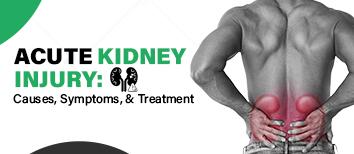
Acute Kidney Injury: Causes, Symptoms, and Treatment explores the sudden deterioration of kidney function, which disrupts the body’s ability to filter waste and regulate fluids.

Subscribe to our
© Copyright 2026. All Rights Reserved by Felix Healthcare Private Limited
Design and development by :


 +(91)9667064100
 Emergency : +(91)9667064100