 Emergency:
  WhatsApp

Subscribe to our
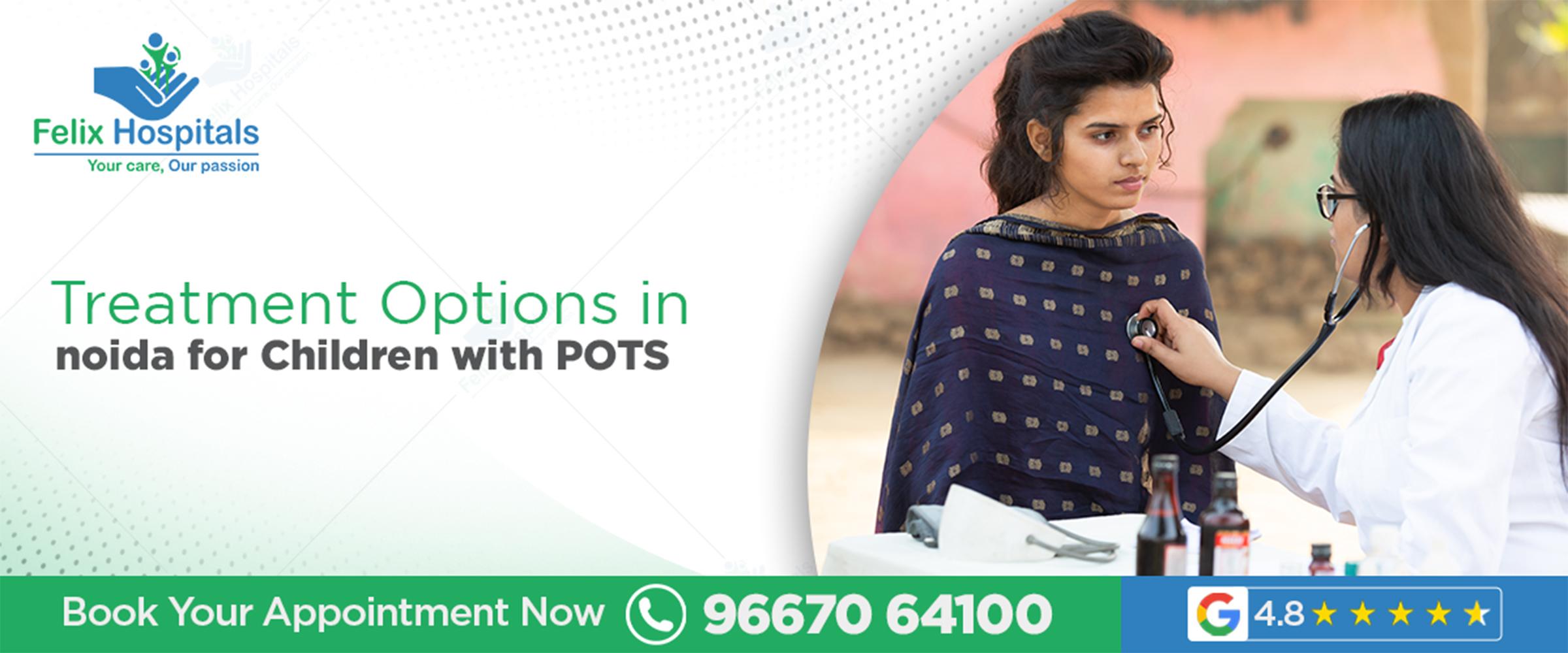
Postural Orthostatic Tachycardia Syndrome (POTS) is increasingly recognized in children and teenagers, especially those who complain of dizziness, fatigue, or rapid heartbeat when standing. Although the symptoms can be worrying for parents, the good news is that POTS is manageable with proper diagnosis, lifestyle changes, and expert treatment.
For families looking for safe, effective, and personalized care, consulting a POTS treatment for children in Noida and a trusted Pediatric POTS specialist Noida ensures the right guidance from the beginning.
This blog explains what POTS means for children, symptoms parents should look for, how it is diagnosed, and all available treatment options in Noida Call on: +91 9667064100.
POTS is a disorder of the autonomic nervous system that affects the body’s ability to regulate heart rate and blood pressure, particularly when a child stands up. Instead of adjusting smoothly, the heart rate shoots up suddenly, leading to dizziness or fainting.
In simple terms:
When a child stands, the body struggles to maintain blood flow to the brain. The heart compensates by beating unusually fast.
POTS is not a heart disease, but a circulation and nervous system disorder that needs expert evaluation from a pediatric neurologist or pediatric cardiologist.
Doctors in Noida have observed more pediatric cases due to:
Increased awareness
Growth spurts and hormonal changes in teens
Post-viral complications
Dehydration habits
Sedentary lifestyle
Nutritional deficiencies
Early diagnosis by a Pediatric POTS specialist Noida helps prevent symptoms from affecting school, sports, and daily activities.
POTS symptoms vary, but parents should watch for:
Dizziness or lightheadedness on standing
Rapid heartbeat
Fatigue
Nausea
Fainting or near-fainting
Difficulty concentrating (“brain fog”)
Palpitations
Cold hands and feet
Exercise intolerance
Sudden tiredness after standing
Many children say they feel “weak” or “drained” without obvious reason. If these symptoms occur repeatedly, a Child POTS diagnosis is essential.
There is no single cause, but several factors contribute:
Viral illnesses (post-infection POTS)
Dehydration
Low blood volume
Nutritional deficiencies (iron, Vitamin D, B12)
Neurological dysregulation
Hormonal changes in adolescents
Autoimmune conditions
Prolonged bed rest or inactivity
Understanding the root cause helps doctors create a personalized treatment plan.
A pediatric specialist uses multiple methods to confirm POTS:
Parents describe symptoms, triggers, and frequency.
Focus on heart rate, blood pressure, and hydration level.
Heart rate is measured when the child lies down and again after standing.
An increase of 30–40 beats per minute within 10 minutes indicates POTS.
A more advanced diagnostic test to study the body’s response to position changes.
To check for deficiencies, thyroid issues, anemia, or autoimmune markers.
Not to diagnose POTS, but to rule out heart-related causes.
Accurate Child POTS diagnosis in Noida ensures children receive the right treatment without unnecessary medications.
POTS is treatable, and most children improve significantly with timely intervention. Treatment focuses on reducing symptoms and helping the child return to normal activities.
For many children, lifestyle changes make the biggest difference.
Children are advised to drink adequate water throughout the day.
Salt helps retain water, increasing blood volume.
(This should be monitored by a pediatric specialist.)
A structured program is essential:
Recumbent biking
Swimming
Walking
Slow strength training
Exercise helps retrain the nervous system and improves circulation.
Children should sit or change posture when symptoms begin.
Large meals may worsen symptoms.
Improves overall autonomic function.
These lifestyle changes are usually the first recommendation by any POTS treatment for children in Noida clinic.
A dietician may recommend:
High-fluid and moderate-salt diet
Iron-rich foods (green vegetables, lentils)
Vitamin D and B12 supplements
Balanced meals with good carbohydrates and protein
Proper nutrition helps stabilize blood pressure and improves energy levels.
Supervised physiotherapy is crucial for:
Muscle strengthening
Improving blood circulation
Enhancing stamina
Reducing dizziness
Therapists follow a graded exercise program tailored for POTS children, helping them return to school and sports confidently.
Not all children require medication. When symptoms are severe, pediatricians may prescribe:
Beta-blockers (to control rapid heartbeat)
Fludrocortisone (to increase blood volume)
Midodrine (improves blood pressure regulation)
IV fluids in severe dehydration
SSRIs in selected autonomic dysfunction cases
Medication is always customized and closely monitored by a Pediatric POTS specialist Noida.
POTS can affect school performance, confidence, and daily routines.
Children may feel frustrated when symptoms interrupt activities.
Counseling helps with:
Anxiety management
Coping strategies
Reducing stress triggers
Improving concentration and routine stability
A supportive environment at home and school makes recovery smoother.
Parents should discuss POTS with the school to ensure:
Permission to carry water bottles
Allowing rest breaks
Exemptions from strenuous activities
Flexible attendance during flare-ups
Avoiding long assembly lines or outdoor standing
These adjustments help children avoid symptom triggers during school hours.
Consistent monitoring ensures treatment stays effective. Follow-ups help track:
Heart rate patterns
Hydration levels
Growth and nutrition
Response to therapy or medication
With proper care, most children manage POTS successfully and resume normal activities.
POTS is not life-threatening.
Most children improve with treatment over time.
Recovery may take months, but symptoms gradually reduce.
Early diagnosis prevents complications like fainting injuries or exhaustion.
Emotional support is as important as medical care.
The right guidance from a POTS treatment for children in Noida helps families manage the condition confidently.
Seek urgent help if your child experiences:
Fainting episodes
Severe rapid heart rate
Inability to stand without dizziness
Frequent blackouts
Continuous nausea or dehydration
Chest discomfort
Sudden worsening of symptoms
These require prompt evaluation by a pediatrician or emergency care.
POTS in children may seem overwhelming at first, but with proper diagnosis, lifestyle changes, and consistent treatment, most children lead normal, healthy lives. Noida offers excellent pediatric care, physiotherapy support, nutrition counseling, and advanced diagnostic facilities to help manage POTS effectively.
Choosing the right POTS treatment for children in Noida and staying connected with a reliable Pediatric POTS specialist Noida ensures your child gets personalized care, symptom control, and long-term improvement. With patience, support, and the right guidance, children with POTS can recover well and return to their regular activities with confidence.
Q1. What is the most common symptom of POTS in kids?
Ans. Rapid heartbeat or dizziness when standing up is the most typical sign.
Q2. Can POTS be cured in children?
Ans. Many children improve significantly with correct treatment and lifestyle changes.
Q3. Is fainting common in children with POTS?
Ans. Yes, some children may experience near-fainting or fainting episodes due to poor blood flow when upright.
Q4. What changes help children with POTS feel better?
Ans. More water, extra salt (if advised), regular meals, and structured exercise can help.
Q5. When should I take my child to a specialist?
Ans. If dizziness, rapid heartbeat, or fatigue affects their daily activities or school routine.
As a child care specialist, I have noticed a huge difference in overall growing of a child in the last 14 years.

10 Reasons why a child may not grow

Every parent wants their child to become a successful, confident, and good human being. A child is like a sponge, which can take any shape and can absorb almost everything they see/learn.
During sleep, the body releases growth hormones, which are essential for a child's growth and development. Adequate sleep is vital for muscle development, tissue growth, and the overall physical health of a child.


Subscribe to our
© Copyright 2026. All Rights Reserved by Felix Healthcare Private Limited
Design and development by :


 +(91)9667064100
 Emergency : +(91)9667064100