 Emergency:
  WhatsApp


Subscribe to our

Cryptorchidism (testicular torsion) is a disorder affecting boys and it requires early management in order to achieve normal growth. Early detection and treatment is the key to long-term health, especially when parents understand what is testicular torsion and how is it treated. In case of concern about the reproductive well-being of the child, you would want to have the testicular torsion treatment in Noida, and a child urology specialist Noida would then be required accordingly, particularly when families are seeking expert testicular torsion doctor Noida support.
Get optimal outcome of cryptorchidism—with a leading child urology expert at +91 9667064100.
A testicle is considered to have testicular torsion when it fails to move into the scrotum—the sac of skin just below the penis—before birth or rotates in a way that disrupts normal functioning. Testicles are normally developed in the abdomen, and once the fetus is almost developed, the testicles lie down in the scrotum. By birth or within several months, they should have reached their final position. Cryptorchidism occurs more among preterm infants, although full-term infants may develop it, and understanding the testicular torsion prevention and signs helps parents act early. In most cases, there is only one testicle that is not descended; in some rare cases both may be affected.
The causes behind testicular torsion in babies have not been pointed out, yet there are multiple factors associated with them, many of which also relate to testicular torsion risks and complications that may arise when the condition is left unattended:
Developmental problems or hormone imbalances during pregnancy
Premature birth which may interfere with normal growth
Family history of genital development issues
Some genetic syndromes e.g. Down syndrome
Environmental toxins—parents smoking / alcohol / pesticides in pregnancy
As a result of these factors, they may disrupt the signaling process that travels testicle between the abdomen and the scrotum and may predispose to torsion.
Diagnosis of testicular torsion starts at birth in the form of newborn examination. Look for signs such as:
Missing or non-palpable testicles in the scrotum.
A lump in the groin, a testicle trapped in the inguinal canal.
Smaller/less developed testicle.
Infrequently, discomfort, pains or heaviness of older children.
In the case that you observe any of these symptoms, please talk to a child urology specialist in Noida so that the symptoms can be examined, especially since testicular torsion prevention and signs demand timely attention.
The majority of doctors wait until the baby is in the age of six months since some of the testicles naturally drop. When to treat cryptorchidism in children depends on age and overall health. If the testicle hasn’t reached the scrotum by 6 to 12 months, active treatment is recommended to avoid long-term complications, which is the same approach often followed for testicular torsion surgery Noida in more urgent cases. In these circumstances, an appointment with the specialist should be followed up.
Diagnosis: How It’s Done
Physical Examination – The physician examines the scrotum and palpates the groin in case one of the testicles is not palpable.
Ultrasound – High-frequency imaging demonstrates the location and size of the testicle.
Hormone Tests – Blood tests in relation to hormones that affect descent.
Laparoscopy – In case of failure of imaging, the direct visualization is performed by means of a thin tube with a camera.
Timely and correct diagnosis prevents future issues, including infertility or cancer of the testicles and complications similar to those encountered in testicular torsion risks and complications.
Cryptorchidism when untreated may result in:
Infertility
Testicular cancer
Testicular torsion – Twisting of the spermatic cord blocks blood flow; a medical emergency that highlights the importance of early awareness of testicular torsion prevention and signs.
Trauma or hernia
These risks are minimized by early intervention by a child urologist in Noida.
When the testicle has not shown signs of descent after 6–12 months, then there is most likely a need to perform surgery. The same is true in emergency conditions requiring testicular torsion surgery Noida where timely repair prevents lasting damage.
Orchiopexy – The surgical procedure involves the testicle being pulled into the scrotum and attached. The best age for testicular torsion surgery is between 6 and 18 months; it maintains fertility and reduces cancer risk.
Two-stage operation – Used when the testicles are higher in the abdomen.
Hormonal therapy (HCG injections) – Sometimes attempted, but surgery is generally better.
Consult a child urology specialist at Noida and discuss all options, so as to choose the most appropriate course regarding your child and understand what testicular torsion is and how it is treated.
One of the questions that parents usually tend to ask is whether orchiopexy is a safe surgery in children. The answer is yes. Orchiopexy is extremely safe when carried out by pediatric urologists and is typically a day-care procedure.
The long-term outcomes of early orchiopexy are:
Better fertility chances
Postsurgical normal testicular size and functionality, similar to recovery after testicular torsion surgery
Orchiopexy in children takes a very short time to heal with children resuming normal activities in one or two weeks. Physicians may prescribe avoiding heavy loads and provide painkillers if necessary. Follow-up visits ensure proper development—similar to recovery after testicular torsion surgery where healing is usually rapid.
There is no known preventative tool, but prenatal and perinatal support to maternal health helps lower risks. This awareness also improves testicular torsion prevention and signs recognition.
The most optimal approaches include parental awareness, early detection, and referral to a child urologist in Noida.
Call to make an appointment with the child on an undescended testicle at +91 9667064100.
Timely and quality treatment is crucial for children with cryptorchidism. Testicular torsion in Noida can be effectively treated with the help of specialists at the top pediatric hospital in Noida, ensuring accurate diagnosis and safe surgical intervention with long-term reproductive effectiveness. Early intervention prevents complications and supports normal development—especially when the right testicular torsion doctor Noida and testicular torsion treatment Noida options are chosen.
Q1: Is it possible to have an undescended testicle falling down by itself?
Ans: Yes, the majority of testes are descended before the age of six months; otherwise, it should be medically checked.
Q2: Are both testicles involved in cryptorchidism?
Ans: Only one testicle is normally affected in most cases although in 10 percent of the cases both are affected.
Q3: Does a non-infected undescended testicle lead to infertility?
Ans: Yes, the chances of infertility are elevated in case the testicle is not cured in early childhood.
Q:4 Indications of when undescended testicles require operation?
Ans: Surgery is usually recommended in cases where testicle has failed to descend after 6- 12 months of age.
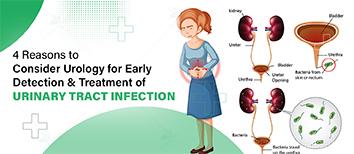
One of the best hospitals for urinary tract treatment in Noida offers comprehensive urology care, featuring expert urologists and advanced diagnostic and treatment facilities.

Expert urology care at Felix Hospital for bladder stones: causes, symptoms & treatments.

Explore effective hydrocele treatment options available in Noida.


Subscribe to our
© Copyright 2026. All Rights Reserved by Felix Healthcare Private Limited
Design and development by :


 +(91)9667064100
 Emergency : +(91)9667064100