 Emergency:
  WhatsApp

Subscribe to our
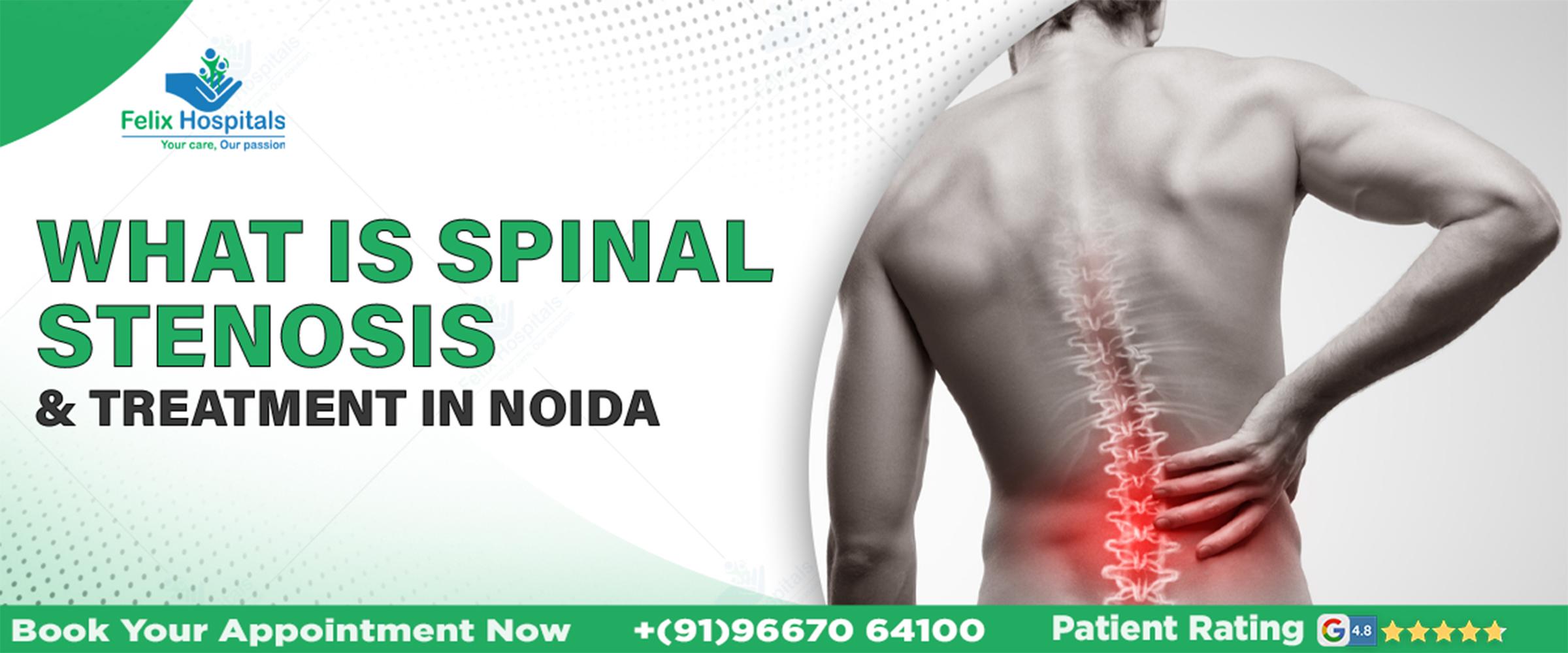
When we age or have worn down our back, certain individuals begin to feel pain, stiffness, or numbness in their back, neck, or legs. These symptoms may not necessarily stem from small matters — sometimes, they could actually be an indication of the occurrence of spinal stenosis, an illness that leads to the narrowing of the canal in the back and pressure on the nerves.
Spine problems in Indian adults, who are 50 years and older, have been gaining significant attention, primarily because of sitting for long periods, improper posture, and sedentary lifestyles. There is tolerance for majority of individuals towards initial symptoms of back pain, carrying the thought it is "normal back pain," yet initial diagnosis and effective treatment may prevent symptoms from aggravating and ensure an active, pain-free life.
In your case, if you have chronic back pain or your legs feel numb, seeking guidance from a spine doctor in Noida would aid in identifying if it is because of spinal stenosis. High-end medical facilities in the state now offer non-surgical and minimal intervention treatment techniques to effectively manage the condition.
Reclaim your mobility and ease in the hands of highly skilled professionals. Call now at +91 9667064100.
Spinal stenosis refers to the narrowing of the spinal canal, which puts pressure on the nerves and the spinal cord. It is more common in the low back, or lumbar, spine and neck, or cervical, spine. In cases where the inner space in the spine is smaller, the pressure squashes the nerves and can result in pain, tingling, numbness or weakness in the arms of legs.
Though not all of them lead to symptoms, in most cases, spinal stenosis gets increasing with time unless treated.
The most common causes of spinal stenosis are:
These causative factors are often interlinked, and the disease itself gradually advances, more predominantly for elderly adults.
Spinal stenosis is more common with age since degenerative changes in the back develop with age. Wear and tear on bones, discs, and ligaments in the years result in structural changes that decrease space within the canal in the back.
In India, long hours of work, improper posture, physical inactivity, and long hours of sitting increase the risk factor. Physical inactivity and sitting-oriented jobs, in particular, put excess strain on the back.
Spinal stenosis symptoms vary in relation to which part of the spine is affected:
Spinal Stenosis in the Cervical (Neck)
Neck stiffness and pain
Tingling, weakness, or numbness in your hands or arms
Balance and coordination problems
Difficulty walking
In more serious manifestations, bladder or bowel control difficulties
Spinal Stenosis in the Lumbar
Lower back pain that worsens when standing or walking
Cramping or weakness in the legs
Relief on bending forward or when sitting
Numbness or tingling that shoots to buttocks or legs
In case you observe such symptoms, do not overlook them. Earliest consultation with Spinal stenosis treatment in Noida expert would prevent permanent damage to your nerves.
Your physician will begin with your medical record and physical exam evaluation. Imaging studies should be used to make the diagnosis and estimate extent:
X-rays: To rule out bone spur or degenerative changes.
MRI scans: They give precise pictures of discs, nerves, and soft tissues.
CT scans or Myelogram: When it is not feasible to use an MRI, in particular, to see the bone and nerve compression more defined.
Your specialist may also assess your walk, your posture, and your flexibility to determine just how far your condition is inhibiting your daily functioning.
They ask, "Can I cure spinal stenosis without surgery?" Oh, yes, in mild to moderate stenosis, the answer is yes — with the right therapy, medicine, and changes in life-style.
Non-Surgical Treatment Methods
Medications
Painkiller drugs (NSAIDs such as ib
Pain medications like gabapentin for nerves
Mild muscle relaxants for stiffness
Short-term steroids for inflammation
Physical Therapy:
Physical exercises to strengthen back muscles, posture, and flexibility minimize symptoms significantly.
Dietary Changes
Have a healthy weight
Use ergonomic chairs and avoid prolonged sitting
Include low-impact exercises such as walking or swimming
Epidural Steroid Injection
These offer temporary relief from the inflammation and irritation of nerves but do not establish lasting cures.
Even if such treatments prove unsuccessful, surgery could be attempted for partial relief.
Surgical Treatment :When conservative treatment loses its positive effects, surgery is sometimes used to relieve pressure off the nerves.
Common surgical procedures include: Surgery is directed towards opening up space in the spinal canal.
Laminectomy: Removing the rear part of the vertebra (lamina) to ease pressure.
Laminotomy: Resection of the laminate partially to alleviate pressure on a specified compressed location.
Spinal Fusion: Joining two or more vertebrae to stabilize the spine.
In upmarket medical facilities that treat spinal stenosis in Noida, such surgeries may even be conducted via minimally invasive surgery, which would entail less recovery and less pain after surgery.
Healing from spinal stenosis—whether treated surgically or conservatively—requires patience and self-care.
This is how to support recovery:
Adhere to your physiotherapist's exercise program every.
Avoid lifting heavy objects or bending frequently.
Sit and stand in upright posture.
Have a balanced meal for support and recovery of bones.
Sleeping on a firm bed to get sufficient support for your back.
Regular treatment, in addition to consultancy from a back expert in Noida, will re-establish mobility and terminate chronic pain.
These technologies reduce blood loss, pain, hospital stay, and recovery time.
Special relief in India is also provided from integrative therapies such as:
Yoga of spinal flexibility (with professional guidance)
Ayurvedic massages or hot oil treatment for relaxing your muscles
Pain modulation and acupuncture
Chiropractic manipulations (only from qualified chiropr
These techniques, along with allopathic medicine, could potentially alleviate pain when the pain occurs.
Schedule your consultation now with the professionals who provide state-of-the-art treatment for spinal stenosis and receive customized recovery guidance.
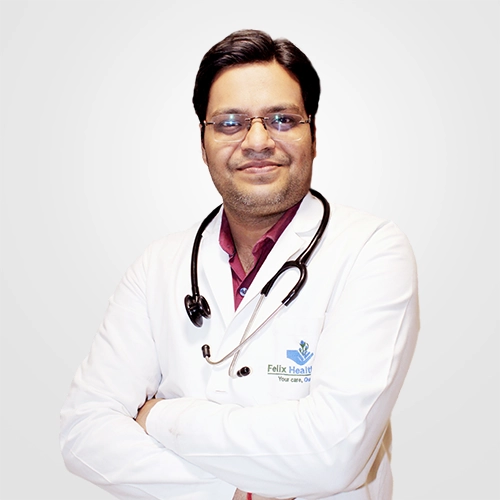
Dr. Keshav Goel is an experienced Orthopedic and Joint Replacement Surgeon in Noida with over 10 years of clinical expertise. He has performed 2,000+ independent surgeries and specializes in computer-assisted joint replacement and arthroscopic surgeries of the knee, shoulder, and hip. Known for his skill in treating sports injuries, trauma, and joint disorders, he provides advanced and patient-focused orthopedic care.
Spinal stenosis may impact your daily activities to a great extent, yet proper medical care in time and correct treatment enable you to resume an active life again. Through physiotherapy, medicine, or surgery, the remedy is in early detection and expert treatment.
In case you or your loved one suffers from chronic back or leg pain, numbness, or dizziness, do not wait and visit the best back pain doctors in Noida and get a tailored treatment plan.
Q. 1. Is stretching or yoga exercise helpful for pain from spinal stenosis?
Ans. Yes, stretching and yoga could increase flexibility, stiffness, and relieve pressure on nerves. Never do deep backbends or twisting exercises, however. Use close supervision of physiotherapist or qualified yoga instructor to avoid strain.
Q. 2. Hoe long does recovery from treatment for spinal stenosis take?
Ans. Recovery time varies from the state of the condition and treatment selected. With physical therapy and medicine, improvement could take several weeks to several months. For surgical patients, the majority of patients walk in a week or two and mend completely in 6–12 weeks with care.
Q. 3. Are There Indian Home Remedies for Relieving Pain from Spinal Stenosis?
Ans. A number of homemade remedies could assist in treatment — hot oil massage with mustard or sesame oil could ease stiffness, turmeric milk could reduce inflammation, and use of hot compress could ease pain. They should, however, accompany—and never replace—medical treatment.
Q. 4. Does posture influence symptoms of spinal stenosis?
Ans. Yes. Poor sitting, standing, or digital device use posture may exacerbate lumbar compression. Good sitting and standing posture, back support use, and sitting for minimal times may reduce pain noticeably.
Q. 5. Is stenosis of the spine irreversible?
Ans. Spinal stenosis is usually a chronic condition, but it can be relieved effectively. Exercise, control of weight, and physiotherapy may keep mobility up and pain down without surgery.
Q. 6. Is surgery in elderly Indian patients for the treatment of lumbar stenosis safe?
Ans. Yes, with the newest minimally invasive surgical methods available in Noida, surgery is now possible for even elderly patients with less recovery time and minimal risk. Proper preliminary health assessment prior to surgery ensures that surgery and treatment regimen is safe and ideal for the elderly.
A spinal cord injury occurs when there is damage to the spinal cord, often resulting from trauma, disease, or degenerative conditions.
Spinal stenosis surgery is needed when severe pain, weakness, or numbness persists despite non-surgical treatment and affects daily activities.
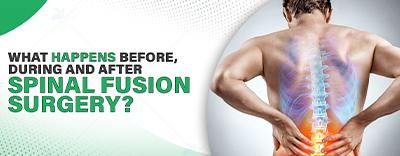
Spinal fusion surgery is a procedure that joins two or more vertebrae in the spine to reduce pain, correct deformity, or improve stability.
Explore advanced spinal cord injury treatments in Noida. Discover expert care, modern rehabilitation, and hope for recovery with top neurologists and orthopedists.


Subscribe to our
© Copyright 2026. All Rights Reserved by Felix Healthcare Private Limited
Design and development by :


 +(91)9667064100
 Emergency : +(91)9667064100