 Emergency:
  WhatsApp


Subscribe to our
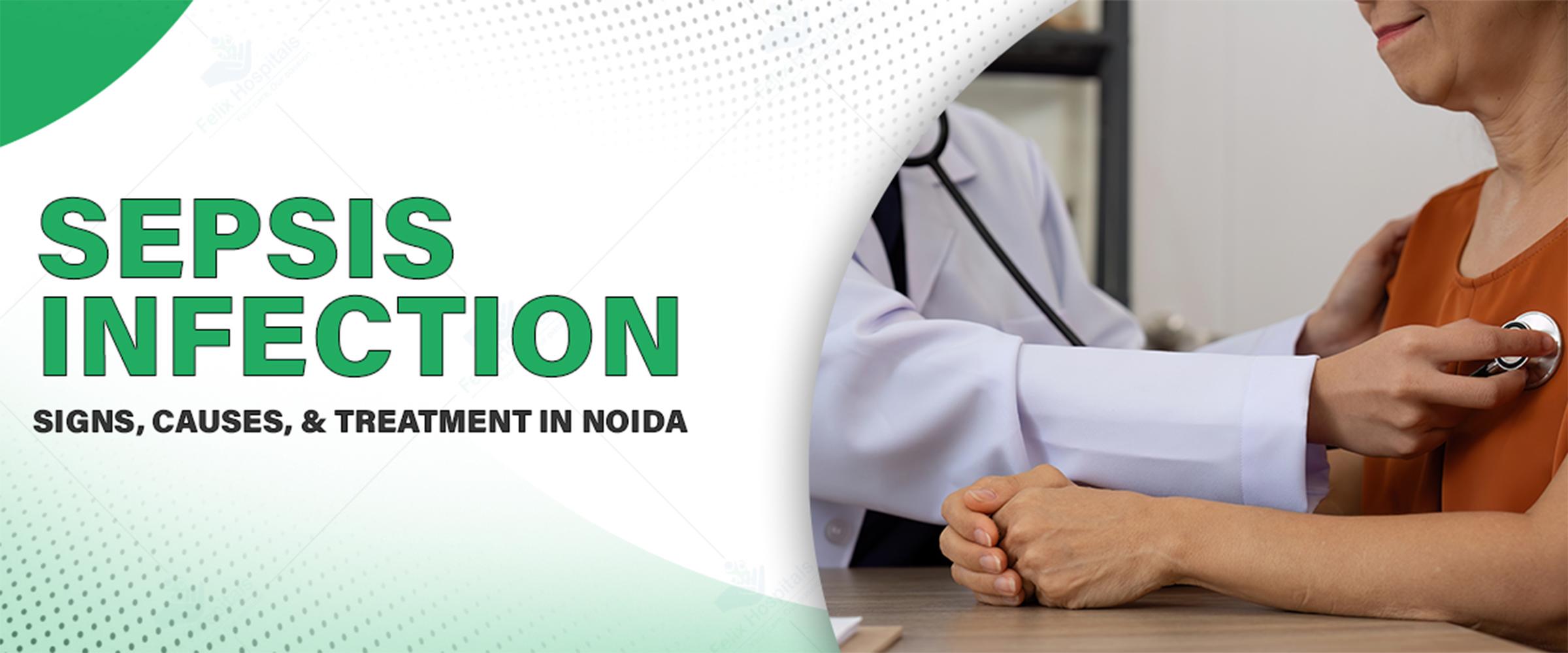
Sepsis is a disorder that is life threatening and is as a result of excessive response to the body in case of infection. When the bacteria spread into the bloodstream they may cause extensive inflammation causing damages to the organs and the death of the individual in case they are not addressed on time. To the patients who want to receive special treatment, the sepsis specialist in Noida at the best medical facilities such as the Felix Hospital is vital in early detection, emergency results, and healing. The Noida sepsis treatment hospital offers state-of-the-art care supported by the latest technologies and a well-trained multidisciplinary team, which positively influences the population of survivors and reduces cases of prolonged complications.
To know what is sepsis infection you should know it is a blood infection that occurs when bacteria enter your bloodstream from an infection occurring elsewhere in the body. It is your body's extreme response to the bacterial infection.
Usually, when you have an infection, your immune system releases chemicals to fight it. However, sometimes the immune system stops fighting the disease and attacks and damages your normal tissues and organs. This leads to inflammation throughout your body.
Sepsis is a critical medical emergency. It can cause septic shock that could lead to a drop in blood pressure and damage your lungs, kidneys and other organs. Severe damage to these organs may prove fatal. Timely diagnosis and immediate medical treatment improve the chances of recovery and survival.
The three stages of sepsis are:
Sepsis: It occurs when bacteria from an infection enter your bloodstream and cause a blood infection. This leads to inflammation in the body.
Severe sepsis: This is the stage where the blood infection and the inflammation begin to affect the functioning of your organs.
Septic shock: It is a severe complication of sepsis that leads to a drop in your blood pressure, which is followed by organ dysfunction, respiratory failure, heart failure, stroke and death.
While sepsis is a life-threatening medical emergency, seeking timely medical help can make all the difference. Some symptoms of sepsis are similar to other medical conditions. Please consult your doctor for the correct diagnosis if you observe any of the following blood infection symptoms:
Sudden fever
Shivering
Difficulty breathing
Nausea and vomiting
Low blood pressure
Fast heartbeat
Rapid breathing
Excessive sweating
Extreme pain
Heart palpitations
Sensitivity to light
Difficulty breathing
Shivering
Extreme weakness
Dizziness
Low platelet count
Bluish appearance of the skin on the lips, fingers and toes
Decreased urination
Confusion, agitation or anxiety
Abnormal heart functioning
Unconsciousness
Sepsis or blood infection can advance to severe sepsis and septic shock quickly. Please consult a doctor immediately if you experience:
Severe difficulty breathing
Acute confusion
Low blood pressure
Bluish skin
Causes of sepsis infection while infection in the body can cause sepsis, blood infection occurs primarily due to bacterial infections in the respiratory system, skin, urinary tract and gastrointestinal tract.
The following infections increase the risk of blood infection or septicaemia:
Pneumonia
Infection of the brain
Infection in the spinal cord
Bowel conditions
Appendicitis (Infection of the appendix)
Gall bladder infection
Liver infection
Infection in the abdominal cavity
Urinary tract infection
Bacterial infections can occur due to inflammation, wounds, cuts, burns and scrapes.
Cellulitis or inflammation of the connective tissue
Besides bacterial infection, fungal and viral infections can also cause sepsis.
While anybody can have an infection, certain people are at a higher risk of blood infection. These include:
People with chronic medical conditions like diabetes, immune system disorders, lung disease, kidney disease, obesity and cancer.
People with a weak immune system
People older than 65 years of age as well as pregnant women, newborns and infants.
People who are admitted to a hospital for medical conditions
People with injuries like burns or wounds
People with catheters or breathing tubes.
Timely identification of sepsis or blood infection is crucial in improving the chances of recovery. Doctors advise various tests to diagnose sepsis. These are:
Physical examination.
Blood tests to check complete blood count (CBC Test), kidney function, clotting difficulty and electrolyte abnormalities.
Urine tests to conduct a urinalysis and urine culture.
Blood oxygen level test to check the levels of oxygen in the blood.
Imaging tests such as X-rays and CT scans.
Before knowing How to treat sepsis you should know If left untreated, blood infection can quickly turn into severe sepsis and septic shock. It is necessary to consult your doctor if you observe any signs or blood infection symptoms. With a timely diagnosis, your doctor will prescribe an ideal treatment plan to help you recover faster.
Your doctor will prescribe the treatment based on
Your age and overall health
Your medical history
The severity of the condition
Tolerance to certain medications and procedures
Treatment for blood infection consists of the following:
Antibiotics: If you have a bacterial infection, your doctor will prescribe antibiotics to fight the infection.
IV (intravenous) fluids: To help maintain the blood flow to your organs, your doctor will prescribe IV fluids.
Blood pressure medications: These help increase your blood pressure
Insulin: It helps stabilize blood glucose levels.
Corticosteroids: These medications will help control the inflammation.
Pain relievers: These medications help provide relief from any pain or discomfort due to the infection.
Doctors may advise ventilators in case of respiratory failure and dialysis in case of kidney failure.
Doctors may suggest surgery to remove any damaged tissue.
Sepsis needs to be identified and treated promptly to achieve good results. Felix hospital is a reputable sepsis treatment hospital in Noida that offers holistic care to its clients, and it has the best doctors to deal with sepsis. When you feel or a lost one has the symptoms that indicate sepsis, consult a qualified doctor immediately as a life-saving deseptic treatment in Noida so that recovery can be high. Prescribing special attention and careful diagnostics in Felix Hospital will help to save lives and heal people.
Q.1. Which are the first symptoms of sepsis in adult patients and children?
Ans. The early signs are sudden fever, chills, a racing heartbeat, and confusion.
Q.2. What is the rate of sepsis deteriorating to a critical state?
Ans. The problem of sepsis can deteriorate within hours, which is why medical help is urgently needed.
Q.3. Can sepsis be treated using antibiotics only?
Ans. Fluids, oxygen and organ support are also needed contrary to antibiotics which are necessary but must be combined with treatment.
Q.4. What are the most frequent causes of sepsis?
Ans. The common antecedents are pneumonia, urinary tract infection, abdominal infection, and skin infection.
Q.5. Can sepsis be prevented?
Ans. Yes, sepsis is less likely to happen due to prevention of infections and early treatment of diseases.
When you observe sepsis symptoms, Felix Hospital will provide consultations with a specialist at +91 9667064100 anytime.
To meet the requirements of advanced sepsis treatment, book an appointment with our specialists at +91 9667064100.
Felix Hospital provides all the critical care and sepsis, and it can be contacted by calling +91 9667064100.
Timely intervention is a way to save lives- call one of the top physicians in Noida regarding sepsis at +91 9667064100.
To receive 24-hour emergency treatment of sepsis, contact Felix Hospital currently at +91 9667064100.

Sexually transmitted infection is one of the significant public health problems. And the bigger problem is people hide sexual dysfunction instead of discussing it.
For those experiencing such symptoms, seeking care from the best hospital for pulmonology treatment in Noida ensures you receive timely and expert diagnosis and treatment.
Get immediate, expert care for your child at the best pediatric emergency centers in Noida. Available 24/7, these facilities offer advanced treatment, experienced pediatricians, and specialized care for urgent child health issues.


Subscribe to our
© Copyright 2026. All Rights Reserved by Felix Healthcare Private Limited
Design and development by :


 +(91)9667064100
 Emergency : +(91)9667064100