 Emergency:
  WhatsApp




Subscribe to our
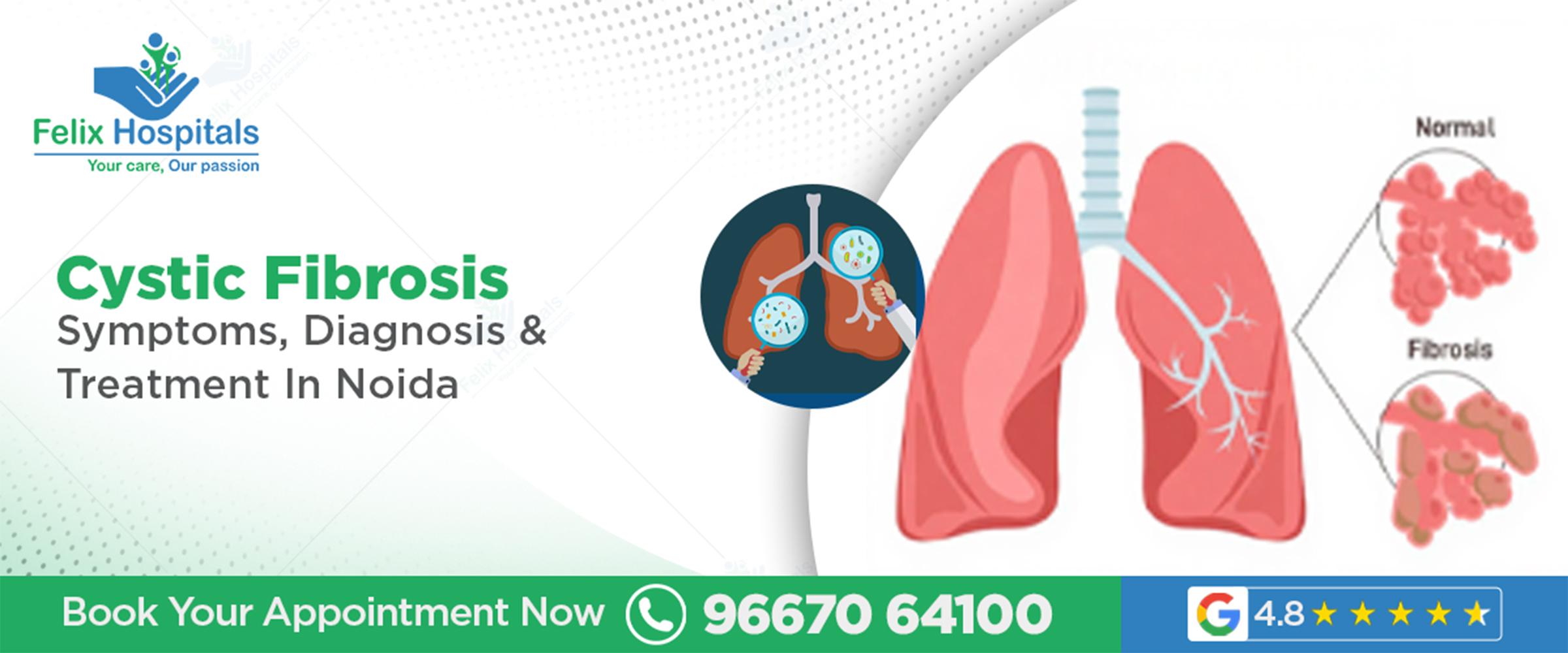
Cystic fibrosis is a serious inherited disorder that affects multiple organs, especially the lungs and digestive system. It is most commonly diagnosed in childhood, but with better awareness and improved medical care, many people with cystic fibrosis are now living well into adulthood. In cities like Noida, early diagnosis and access to specialized care have significantly improved outcomes. Understanding the symptoms, diagnostic process, and treatment options can help families take timely action and manage the condition effectively.
If you or your child shows symptoms of cystic fibrosis, early specialist care is crucial. Call +91 9667064100 to access cystic fibrosis treatment near me in Noida.
Early symptoms of cystic fibrosis arise because the body produces unusually thick and sticky mucus. This mucus blocks airways in the lungs and interferes with digestion by clogging pancreatic ducts. As a result, patients face recurring chest infections, breathing difficulties, and problems absorbing nutrients from food.
The condition is present from birth, but symptoms may vary in severity from one person to another.
Cystic fibrosis is caused by a defect in the CFTR gene, which controls the movement of salt and water in and out of cells. When this process is disrupted, mucus becomes thick instead of thin and slippery. This abnormal mucus affects:
Lungs, leading to infections and breathing issues
Pancreas, causing digestive problems
Liver and intestines
Reproductive organs in some cases
Because of this wide impact, cystic fibrosis requires long-term, multidisciplinary care.
Early symptoms of cystic fibrosis often appear in infancy or early childhood. Some babies may show signs soon after birth, while others develop symptoms gradually.
Common early signs include:
Persistent cough or wheezing
Repeated lung infections
Poor weight gain despite good appetite
Frequent greasy or bulky stools
Salty-tasting skin
Recognizing these signs early can make a major difference in long-term health.
Cystic fibrosis treatment in children focuses on supporting growth, preventing infections, and maintaining lung function. Children with cystic fibrosis may experience delayed growth due to poor nutrient absorption, along with frequent respiratory illnesses.
Early diagnosis allows doctors to start enzyme supplements, nutritional support, and airway clearance therapies that help children grow and develop more normally.
Cystic fibrosis treatment in adults has become increasingly important as life expectancy improves. Adults may continue to experience lung infections, fatigue, and digestive issues, but many are able to study, work, and lead active lives with proper treatment.
Adult care also focuses on managing complications such as diabetes, bone health issues, and fertility-related concerns.
How cystic fibrosis is diagnosed involves a combination of screening tests and confirmatory investigations. Many newborns are identified through newborn screening programs, but diagnosis can also occur later if symptoms appear gradually.
Diagnostic methods include:
Sweat chloride test
Genetic testing for CFTR mutations
Stool tests to assess pancreatic function
Accurate diagnosis helps guide long-term treatment planning.
Early diagnosis allows treatment to begin before significant lung damage occurs. Children diagnosed early tend to have better growth, fewer hospitalizations, and improved lung function over time.
Delayed diagnosis can lead to repeated infections and irreversible lung damage.
Treatment options for cystic fibrosis focus on controlling symptoms, preventing complications, and improving quality of life. There is currently no cure, but modern treatments have dramatically changed outcomes.
Treatment plans are individualized and often include a combination of medications, therapies, and lifestyle adjustments.
Keeping the airways clear is a major part of cystic fibrosis care. Thick mucus traps bacteria, leading to frequent infections.
Common approaches include:
Chest physiotherapy and airway clearance techniques
Inhaled medications to thin mucus
Antibiotics to treat or prevent infections
Regular lung function monitoring
Consistent respiratory care helps slow disease progression.
How to manage cystic fibrosis also involves supporting digestion and nutrition. Many patients cannot absorb fats and proteins properly due to pancreatic blockage.
Management includes:
Pancreatic enzyme supplements with meals
High-calorie, nutrient-rich diets
Vitamin supplementation
Monitoring growth and weight
Good nutrition plays a key role in maintaining immunity and lung health.
Best treatment for cystic fibrosis combines medical therapy with regular monitoring and patient education. Newer medications called CFTR modulators target the underlying genetic defect in certain patients, offering significant improvement in symptoms and lung function.
Not all patients are eligible for these medications, but when suitable, they can be life-changing.
Cystic fibrosis management requires a team approach involving pulmonologists, gastroenterologists, dietitians, physiotherapists, and counselors. This coordinated care helps address the complex needs of patients at different stages of life.
Regular follow-ups ensure early detection of complications and timely treatment adjustments.
With consistent care, many patients attend school, work, and participate in daily activities. Treatment routines can be demanding, but education and family support make long-term management easier.
Mental health support is also important, as chronic illness can be emotionally challenging for both patients and caregivers.
Frequent chest infections, chronic cough, unexplained weight loss, or digestive problems should prompt evaluation by a specialist. Early consultation helps confirm diagnosis and initiate appropriate treatment.
Ongoing specialist care is essential even when symptoms are well controlled.
Comprehensive care starts with the right specialist. Book your appointment at +91 9667064100 with a pulmonologist for cystic fibrosis near me today.
Cystic fibrosis is a lifelong condition, but it is no longer a hopeless diagnosis. Early recognition of early symptoms of cystic fibrosis, accurate testing, and access to advanced treatment options for cystic fibrosis can dramatically improve quality of life. With expert medical care, nutritional support, and regular monitoring, both children and adults with cystic fibrosis can manage their condition effectively. In Noida, specialized care has made it possible for patients to look forward to healthier and longer lives.
Visit our multispeciality hospital in Noida for expert doctors, advanced treatment, and comprehensive healthcare services all under one roof.
No, cystic fibrosis is a genetic condition and cannot spread from person to person.
There is no cure, but modern treatments allow patients to live longer and healthier lives.
Yes, mild forms may be diagnosed in adolescence or adulthood.
Life expectancy has improved significantly with early diagnosis and advanced treatment.
With proper care, many patients lead active and fulfilling lives.
Dr. Priyadarshi Jitendra Kumar is an experienced General Practitioner with 20+ years of expertise in diabetes, thyroid disorders, hypertension, and infectious diseases. Recognized as a Best Pulmonologist in Noida, he specializes in respiratory emergencies, sleep disorders, and advanced pulmonology care.

Smoking doesn’t just damage your lungs—it also harms your ears, nose, and throat. Learn how tobacco use increases the risk of ENT infections, hearing loss, sinus issues, and more.

Essential tips to safeguard your lungs and overall health when air quality reaches hazardous levels.


Subscribe to our
© Copyright 2026. All Rights Reserved by Felix Healthcare Private Limited
Design and development by :


 +(91)9667064100
 Emergency : +(91)9667064100