 Emergency:
  WhatsApp

Subscribe to our

Presbyopia, commonly referred to as age-related farsightedness, is a widespread vision problem that affects millions globally as they grow older. This condition makes it difficult to focus on nearby objects, impacting everyday activities such as reading, sewing, or using a smartphone. It arises due to natural eye aging and changes in the lens, resulting in diminished flexibility. Families and individuals seeking specialized care can rely on a presbyopia hospital in Noida, where experienced professionals offer advanced treatments aimed at maintaining eye health and improving quality of life.
In this detailed blog, readers will learn about presbyopia, related vision problems, its symptoms, underlying causes such as lens changes, and explore effective presbyopia treatment methods along with preventive strategies. Armed with this knowledge, patients can make informed decisions about when to consult an eye specialist in Noida for timely vision correction.
Call +91 96670 64100 now to start your journey toward better vision and eye comfort.
Presbyopia is a vision condition caused by the gradual loss of the eye lens’s ability to focus on nearby objects, leading to significant near vision difficulty. This condition usually emerges after age 40 and worsens progressively as the lens inside the eye stiffens and loses its elasticity. Unlike other typical refractive errors that depend on the shape of the eyeball, presbyopia results from natural lens changes due to aging.
In youth, the eye’s lens is flexible and can easily change shape to focus light on the retina clearly at various distances, a process called accommodation. With advancing age, the lens hardens and loses this ability to adjust, making close objects appear blurry. Activities that were once effortless, such as reading small print or threading a needle, become challenging.
The symptoms of presbyopia usually develop gradually and manifest as:
A need to hold reading materials at arm’s length or farther away to see clearly
Blurred vision while doing close-up activities like reading or writing
Eyestrain or fatigue after prolonged near-vision tasks
Frequent headaches linked to eye strain
A requirement for brighter light when reading
Difficulty in seeing and focusing in dim lighting conditions
Squinting to bring close objects into focus
If left uncorrected, these symptoms worsen, causing challenges in daily life. Early diagnosis at a presbyopia hospital in Noida can help manage these symptoms effectively, improving vision and comfort.
The primary cause of presbyopia is the gradual stiffening of the eye’s lens due to natural eye aging. Over time, the proteins in the lens change, resulting in thickening and reduced flexibility. This stiffening compromises the lens's ability to change shape and focus on nearby objects. Risk factors contributing to presbyopia include:
Age over 40 years, the most important factor
Pre-existing medical conditions like diabetes, which affect eye function
Previous eye surgeries or injuries
Genetics, which may predispose some individuals to earlier onset
Use of certain medications that can impact focusing ability
Understanding these causes is vital for recognizing early signs and seeking timely care.
By impairing near vision, presbyopia interferes with work, leisure, and self-care tasks, lowering quality of life. Uncorrected presbyopia causes persistent squinting and eye strain, which may lead to fatigue and headaches. Often, presbyopia coexists with other vision problems like nearsightedness (myopia) or farsightedness (hyperopia), complicating corrective measures.
Early treatment is essential to preserve eye health and functionality, helping prevent secondary complications like chronic headaches and eye discomfort.
While presbyopia cannot be reversed, various presbyopia treatment options help restore clear near vision:
These are the most common corrective tools, allowing refocusing of light on the retina during close tasks. Reading glasses are affordable and provide quick relief but must be updated regularly as the condition progresses.
Multifocal or monovision contact lenses offer a noticeable alternative to glasses by providing distinct vision zones for distance and near. These options suit active individuals desiring a glasses-free lifestyle.
Advanced methods designed to improve focusing ability include:
Monovision LASIK, which corrects one eye for distance vision and the other for near tasks
Conductive keratoplasty, which reshapes the cornea using radiofrequency energy
Lens replacement surgery, where the stiff lens is replaced with an artificial intraocular lens to restore accommodation
Surgical options require consultation with an experienced eye specialist in Noida to determine suitability and expectations.
Simple measures such as ensuring adequate lighting, taking breaks during near work, and using magnifying tools help reduce eye strain and ease symptoms.
Though presbyopia is a natural aging process, maintaining overall eye health slows symptom progression and enhances comfort:
Regular comprehensive eye examinations promote early detection and timely prescription updates
A balanced diet rich in antioxidants supports eye tissues
Using UV-protective sunglasses shields eyes from harmful rays
Managing systemic conditions like diabetes and hypertension reduces ocular damage
Avoidance of smoking and excessive alcohol consumption protects vision
Staying hydrated and performing basic eye exercises preserve eye function longer
Visiting a presbyopia hospital in Noida helps provide personalized preventive guidance.
If you experience difficulty focusing on nearby objects or increased eye strain, promptly scheduling a professional eye exam is vital. Early vision correction improves outcomes and prevents lifestyle disruption.
Call +91 96670 64100 for consultations with skilled professionals and comprehensive presbyopia treatment options.
In conclusion, presbyopia is an inevitable, natural part of aging characterized by the gradual loss of the eye’s ability to focus on nearby objects due to lens changes and eye aging. It manifests as near vision difficulty and other vision problems that can significantly affect daily activities such as reading and using smartphones. Fortunately, presbyopia treatment options such as reading glasses, contact lenses, and advanced surgical procedures greatly improve vision clarity and quality of life.
Families and individuals seeking expert care can rely on a presbyopia hospital in Noida, ensuring access to comprehensive diagnosis, personalized treatment plans, and ongoing support from experienced eye specialists in Noida. Early evaluation helps preserve eye health, prevent complications, and enables patients to maintain an active, fulfilling lifestyle.
Q.1. At what age does presbyopia usually start?
Ans. Typically around 40 years old.
Q.2. Can presbyopia be prevented?
Ans. It isn’t preventable but symptoms can be managed and progression slowed.
Q.3 Are reading glasses necessary?
Ans. Yes, they are the simplest correction method.
Q.4. Is presbyopia curable with surgery?
Ans. Surgery improves near vision but isn’t a cure and requires consultation.
Q.5. Does presbyopia affect other vision issues?
Ans. It can coexist with nearsightedness or farsightedness.
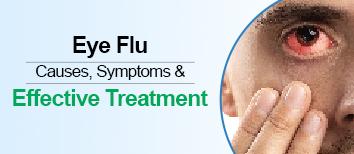
Eye flu, also known as conjunctivitis, is a common eye infection causing redness, irritation, and watering. Learn its causes, symptoms, and effective treatments.
The right ophthalmologist is a crucial step in your eye surgery journey


Subscribe to our
© Copyright 2026. All Rights Reserved by Felix Healthcare Private Limited
Design and development by :


 +(91)9667064100
 Emergency : +(91)9667064100