 Emergency:
  WhatsApp

Subscribe to our
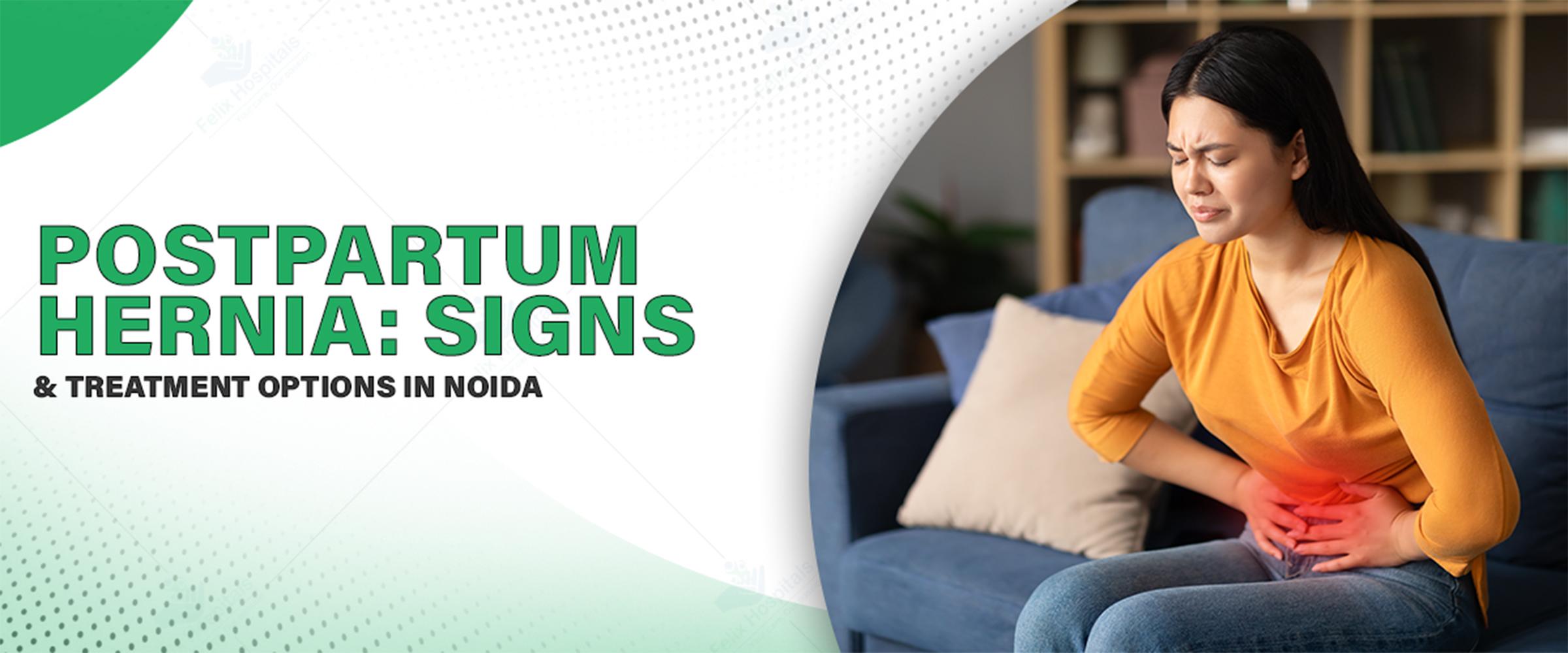
Being a mother is one of the best feelings in a woman's life; it is a journey of change that includes deep emotional, mental, and physical changes. Some changes may get better over time, but others may cause problems like postpartum hernia, which many new mothers go through without saying anything. Postpartum hernia, is becoming more common, especially after cesarean deliveries or multiple pregnancies. Thanks to advanced care and the best laparoscopic hospital in Noida, women can now get timely diagnoses and minimally invasive treatments that will help them fully recover and get back to their normal lives.
This detailed guide goes over the signs of postpartum hernia, the different types, the causes, the treatment options, and the expected recovery process. It's especially helpful for people looking for postpartum hernia treatment in Noida.
If you're dealing with a hernia after childbirth, don't let it affect your quality of life. Reach out to us at +91 9667064100 and take the first step toward recovery by scheduling your appointment today.
A postpartum hernia is when tissues or organs bulge or stick out through a weak spot in the abdominal wall. This usually happens after giving birth. This weakness is usually caused by the abdominal muscles getting stretched during pregnancy and labor. The abdominal wall feels a lot of pressure as the uterus grows to make room for the baby.
This pressure can cause some women's muscles to separate or tear, making a space where the internal tissues or intestines can stick out, which can be a visible or painful bulge. This is more likely to happen to women who have a C-section or have more than one baby.
There are a number of reasons why women get hernias after giving birth. These are:
C-section operations
Being overweight or gaining too much weight during pregnancy
Weak muscles in the stomach
Coughing or sneezing a lot while pregnant
Picking up heavy things soon after giving birth
Surgery on the abdomen in the past
A hernia may not be obvious or cause problems right after delivery, but it can get worse or develop over time if not treated properly.
Women may get a number of different kinds of hernias during or after pregnancy. The ones that happen the most often are:
Happens near the belly button.The place where the umbilical cord was attached may still be weak after birth, especially if it didn't close properly. When pressure builds up in the abdomen, this weak spot could cause a hernia to form.
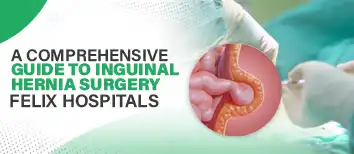
It happens in the groin area, where the intestine or abdominal tissue pushes through the lower abdominal wall. This kind happens more often when there is too much pressure near the groin during labor.
Forms close to the cut after an abdominal surgery or C-section. This is also known as an incisional hernia. The tissue may stick out through the part of the abdominal wall that hasn't healed well after surgery.
Hernias don't always cause symptoms right away or that are very bad. But if you ignore early warning signs, the condition may get worse. These are the two most important signs of a postpartum hernia:
Abdominal bulge: Swelling in the abdomen that can be seen or felt, especially when standing, coughing, or lifting things.
Pain or discomfort, especially around the belly button, the incision site, or the lower abdomen. A lot of the time, this pain gets worse when you move around, cough, or strain.
Nausea or vomiting (in cases of a strangulated hernia)
Constipation or trouble passing gas
Feeling heavy in the stomach
If any of these symptoms last for a long time or get worse, you should see a doctor right away. A simple physical exam is often all that is needed to make a diagnosis. During the exam, your doctor might ask you to cough or push to make the hernia easier to see.
Ultrasound or CT scans may be suggested to double-check the size, type, or severity. These help figure out if surgery is necessary or if a more conservative approach is possible.
There are a number of modern options for new moms in Noida who need treatment for a postpartum hernia. The best option will depend on the size of the hernia, how much pain it causes, and the mom's own health. There are usually two types of treatment:
Your doctor may suggest the following if the hernia is small, not hurting or bothering you, and doesn't seem to be getting bigger:
Using an abdominal binder to help
Gentle exercises after giving birth to strengthen the core
Not lifting heavy things or putting your body under stress
But conservative care is only for a short time. Most of the time, surgery is the only sure way to treat it.
Surgery is needed when the hernia hurts or gets bigger. The two most common procedures are:
The bulging tissue is pushed back into place through a bigger cut at the site of the hernia. A mesh is often used to make the abdominal wall stronger and stop the problem from coming back.
A method that doesn't require a lot of cutting, only 2–3 small cuts through which a camera and surgical tools are put. Using mesh to fix the hernia causes much less pain, scarring, and downtime. Laparoscopic hernia surgery is a good choice for women who want to heal faster, feel less pain, and get back to their normal activities faster.
Knowing how long it will take to recover from postpartum hernia surgery is important for planning when you can start taking care of others and doing your daily tasks again.
Open surgery: You might not be able to do much physical activity for 4 to 6 weeks.
Laparoscopic surgery: Most people can do light activities again in 1 to 2 weeks and are back to full activity by the fourth week.
Always do what the surgeon says to do after surgery. This may include wearing a binder, not doing hard work, and going to follow-up visits.
Felix Hospital in Noida is a trusted place to go for postpartum hernia management because it offers expert care and safe surgery. This is because of:
State-of-the-art Laparoscopic Unit: Felix is one of the best laparoscopic hospitals in Noida and is known for its advanced technology and minimally invasive solutions.
Expert Surgical Team: Highly skilled surgeons with a lot of experience in women's health and hernia repairs make sure that everything is done safely and correctly.
Personalized care: The Felix care team makes treatment plans that put the comfort, convenience, and emotional well-being of mothers first, from diagnosis to rehabilitation.
Hygiene and Safety Come First: NABH accreditation guarantees that every procedure is done with the highest levels of cleanliness and safety.
After surgery, Felix makes sure that recovery goes smoothly and without stress by providing trained nurses, dietitians, physiotherapists, and support staff.
Many women get postpartum hernia after giving birth, but it's not always noticed. It is a real condition that can be treated. Knowing the signs of postpartum hernia, getting an early diagnosis, and getting the right treatment, which may include laparoscopic surgery, can help you feel better and avoid problems in the future.
Women in Delhi-NCR who need reliable postpartum hernia treatment in Noida can now get world-class care, minimally invasive options, and expert advice to help them make smart health decisions.
You can also lower your risk of getting a hernia again by putting yourself first, working on your abdominal muscles, and staying away from high-risk activities after giving birth. And if surgery is needed, it's good to know that recovery is quick, especially with the right care and advice.
Need help with a hernia after giving birth? Call us at +91 9667064100 to set up your appointment now.
Q1. Is it possible to talk to Felix doctors about my postpartum hernia symptoms over the phone?
Ans: Yes, we do offer safe video consultations with people from other countries so you can get an evaluation, advice, and a second opinion before you come in.
Q2. Is it safe to have postpartum hernia surgery if I just had a C-section?
Ans: Yes. Our skilled laparoscopic surgeons check on your healing and decide when is the best time for surgery based on how long it will take you to heal.
Q3. Is it okay for me to bring my newborn or caregiver to the hospital while I'm being treated?
Ans: Yes. We have patient-friendly rooms that can fit an attendant and have support facilities to make sure you and your baby are comfortable.
Q4. How soon after having hernia surgery at Felix can I go back to work?
Ans: Most people can safely travel 7 to 10 days after laparoscopic surgery, but this depends on how well they are healing and what their doctor says.
Q5. Should I stop breastfeeding before I have hernia surgery?
Ans: Not always. Our anesthesiologists and surgeons will plan your care with the safety of breastfeeding in mind. Talk about this during your appointment.
Recovering after childbirth requires physical care, emotional support, and expert medical attention. Learn essential tips for a smooth postpartum recovery journey in Noida, from rest and nutrition to trusted hospitals and doctors.
A hernia typically occurs due to a combination of muscle weakness and strain. This can happen from factors such as aging, injury, heavy lifting, chronic coughing, or conditions like pregnancy and obesity.
Felix Hospitals is the leading hospital for hernia surgery in Noida and Delhi NCR.

Subscribe to our
© Copyright 2026. All Rights Reserved by Felix Healthcare Private Limited
Design and development by :


 +(91)9667064100
 Emergency : +(91)9667064100