 Emergency:
  WhatsApp



Subscribe to our

Eye health is often taken for granted until discomfort begins to interfere with daily life. Mild redness, dryness, or a small yellowish patch on the eye may not seem serious initially, but these can indicate underlying surface eye conditions that require attention. One such commonly overlooked condition is pinguecula. With increasing exposure to pollution, UV rays, and prolonged screen use in urban areas like Noida, eye surface disorders are becoming more frequent. Early awareness and timely medical care play a crucial role in preventing discomfort and long-term irritation.
Persistent eye irritation should never be ignored. Early consultation can prevent long-term discomfort. Call +91 9667064100 to book an eye specialist appointment in Noida.
What is pinguecula refers to a non-cancerous, yellowish or whitish growth that develops on the conjunctiva, the transparent tissue covering the white part of the eye. It typically appears near the cornea, most often on the side closer to the nose. Pinguecula forms due to gradual degeneration of conjunctival tissue and is more common in adults, especially those exposed to sunlight and dry environmental conditions for extended periods.
Pinguecula symptoms and causes can vary from person to person. Some individuals may remain asymptomatic, while others experience persistent irritation that affects daily comfort.
Dry or gritty sensation in the eyes
Mild redness or inflammation
Burning or itching sensation
Sensitivity to wind and sunlight
Occasional foreign body sensation
These symptoms may worsen during outdoor exposure or prolonged screen use.
What causes pinguecula is primarily long-term exposure to ultraviolet (UV) radiation. UV rays lead to damage and degeneration of conjunctival tissue over time. Environmental irritants such as dust, wind, smoke, and pollution further aggravate the condition. In cities like Noida, increased pollution levels and outdoor occupational exposure significantly contribute to its development.
Pinguecula risk factors include a combination of environmental exposure, age-related changes, and lifestyle habits. While anyone can develop this condition, certain individuals are at a higher risk.
Major risk factors include:
Prolonged exposure to sunlight
Outdoor occupations
Living in dry or dusty environments
Increasing age
Chronic eye irritation or dryness
Understanding these risk factors helps in early prevention and management.
How to prevent pinguecula focuses on reducing exposure to environmental irritants and protecting the eyes from UV radiation. Preventive eye care is especially important for individuals who spend long hours outdoors or in polluted surroundings.
Preventive measures include:
Wearing UV-protective sunglasses
Using protective eyewear in dusty conditions
Avoiding excessive eye rubbing
Keeping eyes adequately lubricated
Taking regular breaks during screen use
These measures help protect conjunctival tissue from degeneration.
Pinguecula prevention tips emphasise consistent eye care practices. Hydrating the eyes using artificial tears and maintaining overall eye hygiene reduces dryness and irritation. Regular eye examinations are equally important, as they help detect early changes before symptoms worsen.
Preventive care is often the most effective way to avoid progression and recurrence.
Diagnosis of pinguecula is typically straightforward. An ophthalmologist conducts a detailed eye examination using a slit-lamp microscope to assess the size, location, and surface characteristics of the growth. Additional tests are rarely required unless there is suspicion of inflammation or other conjunctival conditions. Early diagnosis ensures timely management and prevents unnecessary discomfort.
How to treat pinguecula depends on the severity of symptoms and the level of discomfort experienced by the patient. In most cases, conservative management is sufficient.
Treatment options include:
Lubricating eye drops to relieve dryness
Anti-inflammatory eye drops for redness and irritation
Avoidance of environmental triggers
Regular monitoring by an eye specialist
Surgical removal is rarely required and reserved for severe or persistent cases.
Pinguecula treatment in Noida is supported by modern ophthalmology facilities and experienced specialists. Treatment plans are customised based on symptom severity, lifestyle, and occupational exposure. Patients receive comprehensive care focusing on symptom relief, prevention of recurrence, and long-term eye health.
Delaying treatment can lead to chronic inflammation and increased discomfort. Early intervention helps control symptoms, prevents progression, and improves overall quality of life. Individuals experiencing persistent eye irritation should seek medical advice rather than self-medicating, as improper treatment may worsen symptoms.
Maintaining eye health involves simple yet consistent lifestyle changes. Staying hydrated, avoiding excessive exposure to harsh environments, and following prescribed eye care routines play a crucial role in managing pinguecula. Education and awareness are key components of preventive eye health.
Consulting an experienced eye specialist for pinguecula in Noida ensures accurate diagnosis and appropriate treatment. Specialist care allows for differentiation between pinguecula and other eye surface disorders and ensures safe, evidence-based management tailored to individual needs.
Expert evaluation and personalised care can make a lasting difference. Call +91 9667064100 to schedule a consultation with an eye specialist in Noida.
Pinguecula is a common eye condition caused by long-term exposure to sunlight, pollution, and environmental irritants. While it is not typically dangerous, ignoring symptoms can lead to persistent discomfort and chronic irritation. Early diagnosis, preventive care, and appropriate treatment help manage symptoms effectively and protect long-term eye health. With access to experienced eye specialists and advanced ophthalmology care in Noida, patients can receive comprehensive management and maintain clear, comfortable vision.
Q.1. Is pinguecula harmful to the eyes?
Ans. Pinguecula is usually benign but can cause irritation if untreated.
Q. 2. Can pinguecula turn into cancer?
Ans. No, pinguecula is non-cancerous and does not turn malignant.
Q. 3. Does pinguecula affect eyesight?
Ans. It generally does not affect vision unless severe inflammation occurs.
Q. 4. Can pinguecula be cured permanently?
Ans. Symptoms can be managed effectively, though the growth may remain stable.
Q. 5. When should I see a doctor for pinguecula?
Ans. If redness, irritation, or discomfort persists, medical evaluation is recommended.

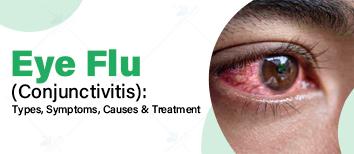
Eye flu, also known as conjunctivitis, is a common eye infection causing redness, irritation, and watering. Learn its causes, symptoms, and effective treatments.


Subscribe to our
© Copyright 2026. All Rights Reserved by Felix Healthcare Private Limited
Design and development by :


 +(91)9667064100
 Emergency : +(91)9667064100