 Emergency:
  WhatsApp

Subscribe to our
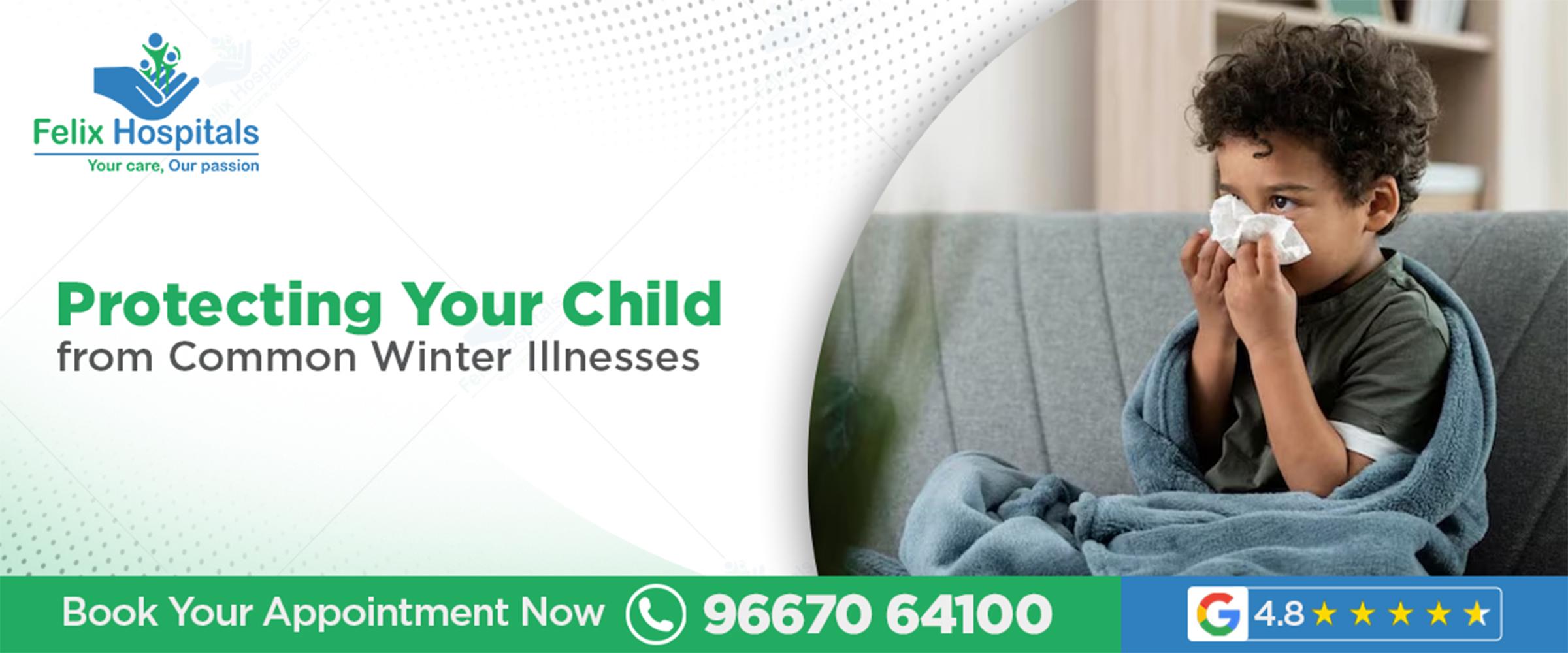
Winter brings cooler weather, festive cheer, and cozy routines—but it also increases the risk of infections in children. From viral fevers to respiratory infections, winter illnesses can spread quickly among young children due to weaker immunity and close contact in schools and daycare centers. For parents in Noida, understanding how to protect children during this season is essential to keeping them healthy and active.
With expert guidance from the Best pediatrician for winter infections in Noida and timely preventive care, most winter illnesses can be avoided or managed early. This blog provides a complete parent-friendly guide on common seasonal diseases, symptoms to look out for, preventive steps, and treatment options.
During winter, children are more likely to fall sick due to:
Lower immunity in cold weather
Indoor crowding and poor ventilation
Seasonal viruses that thrive in cold temperatures
Dry air that irritates airways
Exposure to infected peers at school
Sudden temperature changes (indoor heater → cold outdoors)
A child specialist in Noida can help parents understand individual risk factors and create a winter-specific care routine.
The most frequent winter illness caused by viral infections. Symptoms include:
Runny or blocked nose
Sneezing
Mild fever
Sore throat
Though mild, colds can disrupt sleep and appetite.
More severe than a common cold, flu symptoms include:
High fever
Severe fatigue
Cough and sore throat
Body aches
Chills
Flu spreads rapidly in schools; vaccination reduces complications.
Inflammation of tonsils due to viral or bacterial infections. Symptoms include:
Painful swallowing
Fever
Swollen lymph nodes
Bad breath
Recurrent tonsillitis should be evaluated by a pediatrician.
One of the more serious winter illnesses, especially in younger children. Signs include:
Fast breathing
Persistent fever
Severe cough
Lethargy
Immediate medical care is required.
Common in children under 2 years. Caused by RSV virus. Symptoms:
Wheezing
Difficulty breathing
Poor feeding
Fast breathing
Regular monitoring ensures timely recovery.
Cold air is a major trigger for asthmatic children. Winter causes:
Wheezing
Chest tightness
Night coughing
Breathing difficulty
Management plans from a child specialist Noida help reduce flare-ups.
Highly contagious in winter. Symptoms include:
Vomiting
Diarrhea
Fever
Stomach cramps
Hydration is the key in treatment.
Cold weather leads to dry, itchy skin, worsening eczema in sensitive children.
Seek medical help immediately if your child experiences:
High fever lasting more than 48 hours
Rapid or laboured breathing
Persistent vomiting
Severe coughing fits
Chest pain
Blue lips or fingertips
Extreme lethargy
Dehydration signs (dry mouth, no tears, less urination)
These could indicate complications requiring emergency pediatric care.
A diet rich in vitamins and minerals boosts the immune system. Include:
Citrus fruits (Vitamin C)
Warm soups
Seasonal vegetables
Nuts and seeds (Vitamin E, zinc)
Adequate protein (dal, eggs, paneer, meat)
Hydration is equally important—even in winter.
Teaching children to wash their hands before eating, after coming home, and after coughing helps prevent infections.
Layering keeps children warm both outdoors and indoors while preventing overheating.
Poor sleep weakens immunity. Maintain consistent bedtime schedules.
Dry air irritates airways and skin. A humidifier helps maintain moisture.
When leaving a heated room, ensure your child is properly covered.
Keep the home dust-free
Avoid smokers near the child
Limit exposure to pollution and smog
Encourage simple breathing exercises
Consult the Best pediatrician for winter infections in Noida for specific respiratory care tips.
Important vaccines for winter include:
Flu vaccine
Pneumococcal vaccine
COVID booster (if applicable)
Vaccination significantly reduces severity of infections.
Warm water, soups, coconut water, and kadha help maintain hydration.
Children should learn to:
Cover mouth with elbow when coughing
Use tissues
Avoid touching face frequently
These remedies help soothe symptoms but are not substitutes for medical advice:
Warm water gargling for sore throat
Steam inhalation for congestion
Warm turmeric milk
Honey for cough (only for children above 1 year)
Ajwain potli for chest congestion
Always consult a child specialist Noida before trying remedies for infants.
You should consult a doctor when:
Fever persists beyond two days
The child is not feeding properly
Breathing difficulty appears
Symptoms worsen despite home care
Child is less active or unusually sleepy
A specialist can identify if the illness is viral, bacterial, or allergic and provide targeted treatment.
1. Viral Illnesses
Most viral infections need supportive care:
Fever medicines
Hydration
Rest
Steam inhalation
2. Bacterial Infections
Require antibiotics prescribed by a pediatrician.
3. Asthma & Allergy Treatment
Nebulization
Inhalers
Anti-allergic medications
Asthma action plans
4. Pneumonia Management
May require:
Antibiotics
Nebulization
Hospital observation in severe cases
5. Tonsillitis Care
Warm fluids
Pain relief
Antibiotics (only if bacterial)
Seeing the Best pediatrician for winter infections in Noida ensures correct diagnosis and prevents complications.
Keep rooms clean and dust-free
Use warm blankets but avoid overheating
Disinfect toys and frequently touched surfaces
Keep windows slightly open for ventilation
Avoid crowding and unnecessary outdoor exposure during peak pollution
Toddler immunity is still developing. Parents must:
Avoid cold foods and icy drinks
Keep ears and feet warm
Ensure frequent hand-washing
Maintain a strict feeding and sleep routine
Avoid taking toddlers to crowded places
A child specialist Noida can guide you on age-specific care plans.
Winter illnesses are common but preventable with the right care, strong immunity, and timely medical attention. Parents must stay alert for symptoms, maintain hygiene, focus on nutrition, and ensure proper vaccination. Early intervention helps prevent complications like pneumonia, asthma attacks, or severe flu.
If your child frequently falls sick during winter or shows signs of breathing issues or persistent fever, consulting the Best pediatrician for winter infections in Noida ensures accurate diagnosis, safe treatment, and long-term protection. A reliable Pediatric Pulmonologist in Noida will help your child stay healthy, active, and winter-ready.
Q1. Why do children fall sick more often in winter?
A: Cold weather weakens immunity, and viruses spread faster indoors, making kids more vulnerable.
Q2. How can I boost my child’s immunity naturally?
A: A nutritious diet, good sleep, hydration, and hygiene help strengthen immunity.
Q3. When should I take my child to a doctor for winter illness?
A: If fever lasts more than two days, breathing becomes difficult, or symptoms worsen.
Q4. Can winter allergies trigger asthma in children?
A: Yes. Dust mites, pollen, and cold air can cause asthma flare-ups in winter.
Q5. Is the flu vaccine necessary for children?
A: Yes, it reduces the severity of flu and prevents complications during winter.

10 Reasons why a child may not grow
As a child care specialist, I have noticed a huge difference in overall growing of a child in the last 14 years.
Take special care of the health of your kids, especially young children, amidst the changing seasons.

Every parent wants their child to become a successful, confident, and good human being. A child is like a sponge, which can take any shape and can absorb almost everything they see/learn.


Subscribe to our
© Copyright 2026. All Rights Reserved by Felix Healthcare Private Limited
Design and development by :


 +(91)9667064100
 Emergency : +(91)9667064100