 Emergency:
  WhatsApp

Subscribe to our
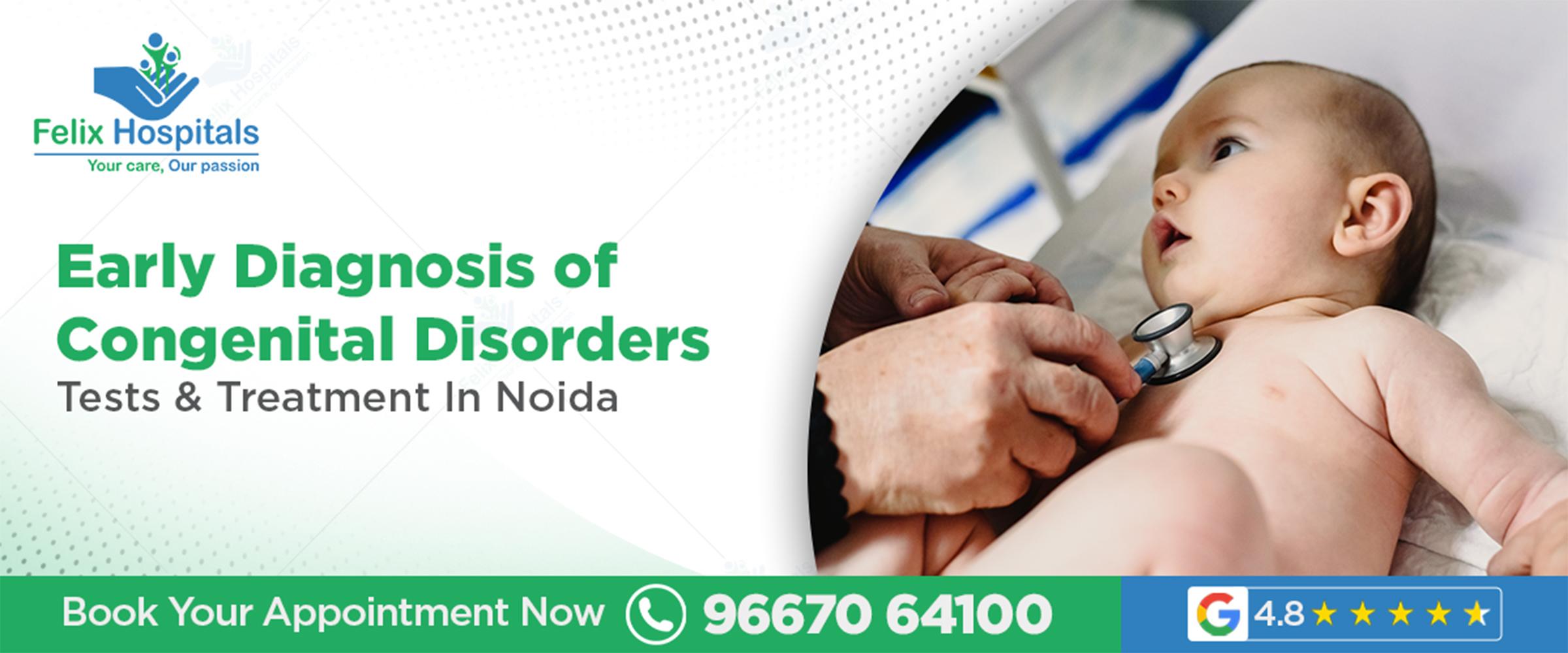
Congenital disorders are conditions present at birth that can affect a child’s physical structure, metabolism, or overall development. While some disorders are visible at birth, many remain undetected during the early days of life. Early identification through proper screening and diagnostic tests is essential to prevent long-term complications and ensure a better quality of life for the child.
At the Best Paediatric Hospital in Noida, advanced neonatal screening, genetic testing, and expert pediatric care enable early diagnosis and timely treatment. With continuous advancements in neonatal care, parents in Noida can now proactively manage congenital disorders rather than responding to complications later.
For early screening and expert evaluation of congenital disorders in newborns, consult specialists today. Call +91 9667064100
Many parents ask, what are congenital disorders? These are medical conditions that develop during pregnancy and are present at birth. They may affect bones, organs, muscles, nerves, or biochemical processes.
Congenital disorders can be:
Structural (affecting body parts)
Functional (affecting how organs work)
Genetic or chromosomal
Metabolic or hormonal
Not all congenital disorders are inherited, and many occur due to developmental changes during pregnancy.
The importance of early diagnosis in newborns cannot be overstated. Early identification allows doctors to start treatment before complications arise, significantly improving outcomes.
Benefits of early diagnosis include:
Prevention of permanent disability
Timely medical or surgical intervention
Better growth and developmental outcomes
Reduced long-term healthcare costs
Improved quality of life for the child
Early detection is especially critical for disorders affecting bones, joints, and physical development.
Understanding the types of congenital disorders detected at birth helps parents recognize why screening is essential.
Common categories include:
Skeletal and bone deformities
Heart and lung abnormalities
Neuromuscular conditions
Metabolic and endocrine disorders
Genetic syndromes
Some conditions may be mild initially but worsen if left untreated.
Routine newborn screening plays a key role in early detection. Common screening tests for congenital diseases in newborns are typically done within the first few days of life.
These tests include:
Physical examination at birth
Blood tests for metabolic disorders
Hearing screening
Pulse oximetry for heart conditions
Hip and limb examination for bone abnormalities
Early screening helps identify conditions before symptoms appear.
When initial screening raises concerns, advanced diagnostic tests for congenital disorders in Noida help confirm the diagnosis.
These may include:
Imaging studies like X-rays or ultrasound
Genetic testing
MRI or CT scans when required
Specialized blood and hormone tests
Access to advanced diagnostics allows precise diagnosis and tailored treatment planning.
Parents should be aware of the early symptoms of congenital disorders in infants, especially after discharge from the hospital.
Warning signs may include:
Poor feeding or difficulty sucking
Delayed movement or stiffness in limbs
Abnormal posture or limb shape
Failure to gain weight
Delayed developmental milestones
Early symptoms may be subtle but should never be ignored.
Many parents ask, when should parents seek medical evaluation? Immediate medical attention is recommended if:
A newborn shows abnormal limb movement
Growth appears delayed
The baby has recurrent infections
There is noticeable asymmetry in bones or joints
Development does not match age milestones
Early consultation prevents complications and improves treatment success.
Some congenital disorders affect bones, joints, and muscles. Early assessment by specialists ensures proper correction and growth.
A Children Bone Specialist in Noida focuses on:
Congenital limb deformities
Hip dysplasia
Spine abnormalities
Growth-related bone conditions
Timely orthopedic care can often prevent the need for complex surgeries later.
Treatment depends on the type and severity of the condition.
Options may include:
Medical management
Physiotherapy and rehabilitation
Nutritional and metabolic support
Surgical correction when required
Long-term monitoring and follow-up
Early treatment allows the child to achieve near-normal growth and function.
Delaying diagnosis can result in:
Permanent physical disability
Developmental delays
Chronic pain or mobility issues
Reduced independence later in life
Early intervention improves outcomes and supports healthy development.
Parents should choose facilities that offer:
Advanced newborn screening
Multidisciplinary specialists
Pediatric orthopedic expertise
Child-friendly diagnostic facilities
Long-term follow-up care
Access to the Best Pediatric Orthopedics Hospital in Noida ensures comprehensive care under one roof.
Congenital disorders often require coordination between:
Pediatricians
Internal medicine specialists
Orthopedic experts
Physiotherapists
Genetic counselors
Integrated care improves treatment accuracy and outcomes.
Parents play a vital role by:
Attending all newborn follow-ups
Observing developmental milestones
Reporting concerns early
Following medical advice consistently
Awareness and vigilance make early diagnosis possible.
To book an appointment with experienced pediatric and bone specialists in Noida, contact us now. Call +91 9667064100
Early diagnosis of congenital disorders is the foundation of effective treatment and healthy development. Understanding what congenital disorders are, recognizing early symptoms in infants, and knowing the importance of timely screening empowers parents to act quickly. With guidance from the Best Pediatricians in Noida, access to common newborn screening tests, and advanced diagnostic facilities for congenital disorders in Noida, families can ensure timely care, prevent complications, and support their child’s long-term well-being.
Q1: Can congenital disorders be treated completely if detected early?
A: Many conditions can be corrected or well-managed with early treatment.
Q2: Are congenital disorders always genetic?
A: No, many develop due to pregnancy-related factors, not inheritance.
Q3: Do all newborns need congenital screening tests?
A: Yes, routine screening helps detect hidden conditions early.
Q4: Can congenital bone disorders worsen with age?
A: Yes, delayed treatment can lead to growth and mobility problems.
Q5: Is long-term follow-up necessary after diagnosis?
A: Yes, regular monitoring ensures healthy growth and development.
Learn about congenital heart defects, their early signs, diagnosis, and treatment options.
Understand congenital heart defects with this comprehensive and beginner-friendly guide.

Know the early signs of congenital heart defects in babies to ensure timely care and treatment. Recognizing symptoms early can make a big difference in your child’s health and development.
Epstein Pearls are small, white or yellowish cysts found on the gums or roof of the mouth in newborns. These harmless bumps form during fetal development and usually resolve on their own within a few weeks. No treatment is necessary unless symptoms persis

Subscribe to our
© Copyright 2026. All Rights Reserved by Felix Healthcare Private Limited
Design and development by :


 +(91)9667064100
 Emergency : +(91)9667064100