 Emergency:
  WhatsApp


Subscribe to our
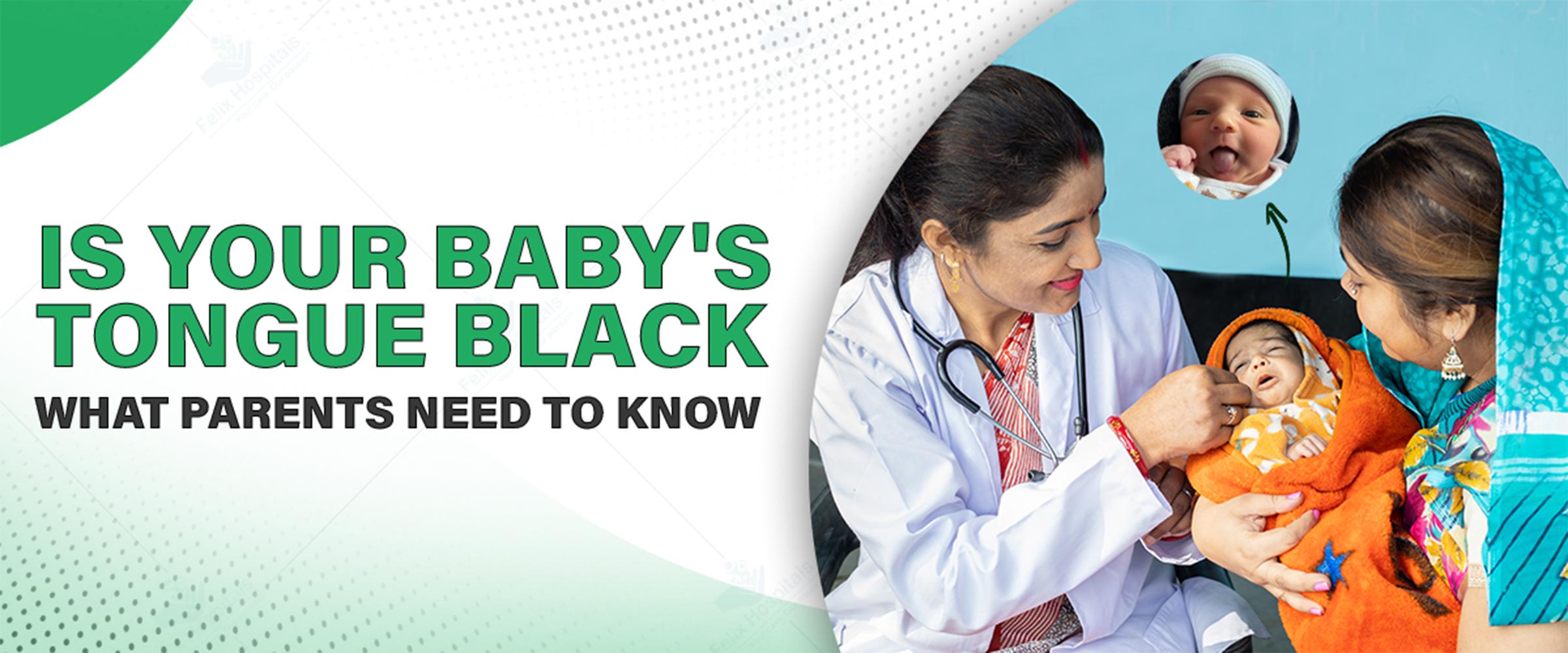
The health of a baby can change subtly and may not necessarily be noticed at first by parents. One situation that often causes alarm among parents is when a baby’s tongue appears black. Seeing your baby with a black tongue can be alarming but to know why is baby's tongue black? and how to react can help parents to remain calm and react accordingly.
If you ever discover your infant has a black tongue, you should never neglect it. Timely evaluation makes it possible to treat any latent condition early enough. For professional advice regarding same, schedule an appointment for Baby black tongue treatment in Noida to ensure it gets proper care.
Early detection and management prevent distress and further consequences for your child. Call us today at +91 9667064100.
A black tongue in infants is caused by various factors some being harmless while others are serious and worth consulting a medic. Knowing what causes a baby's black tongue helps parents make smart choices:
Improper Mouth Hygiene – Even with infants, formula buildup or milk can adhere to the tongue and cause spots.
Medications – Certain pills or antibiotics can cause black spots temporarily on the tongue.
Bacterial or Fungal Growth – Black hairy tongue can occur when there is fungal or bacterial accumulation upon the tongue's surface.
Dehydration – Darkening and coating of tongue can occur with reduced saliva secretion.
Pre-existing Medical Conditions – Occasionally black tongue is a symptom of other diseases like bowel disease or metabolic diseases.
Even though some are harmless, persistent discoloration requires a specialist checkup. Parents are likely to ask about black tongue in infants regarding doing something about it: the ideal first step is a consultation with a specialist pediatrician or Baby's tongue black checkup hospital Noida checkup.
Apart from black coloration, there are other signs parents must notice:
Bad breath
Less hunger or eating
Irritability or excessive fussiness
White spots or cracks in the tongue
Dry lips or less wet diaper signs of dehydration
If you have these kinds of symptoms accompanied by black tongue, you are likely to have a serious condition requiring serious attention.
Doctors generally find out why black tongue is there for babies by:
Physical Examination – Observation of appearance and oral hygiene checking.
Medical History – Question about recent medication, diet, or illness.
Tests at Lab – Blood tests or cultures are sometimes run to determine infection or deficiencies.
Accurate diagnosis permits doctors to customize therapy to effect safe and optimum resolution of your child's condition.
The therapy is based upon the cause. Certain universal skills are:
Gentle tongue scrub with soft damp cloth or baby-safe brush.
Strengthening hydration and when possible confirming the infant is consuming enough.
If it is infected, antifungal or antibiotic medication can be given.
Making any change to supplements that can cause darkening.
Regular follow-ups to monitor improvement.
For personalized advice, parents can consider Baby black tongue treatment Noida. Early medical attention avoids complications and makes your baby at ease.
Although all causes are impossible to prevent, parents may minimize risk by:
Gently cleaning the baby's tongue after each feeding.
Rinsing the tongue and gum with a soft cloth to avoid buildup residue.
Monitoring the baby’s diet and supplement intake.
Getting regular medical check-ups to ensure timely health monitoring.
These are some simple steps to drastically lower odds of tongue darkening and enhance oral health in general.
Do not hesitate if you observe black tongue by your infant. Get a checkup at the hospital for proper assessment.
Black tongue in children is a shocking sight, but is often induced by innocent situations such as milk deposition or minor hygiene issues. Understanding why a baby develops a black tongue will ensure that parents respond calmly and take the necessary action. Abnormal persistence, odd signs and symptoms, or feeding problems should always be evaluated by a pediatrician for accurate diagnosis and treatment.
Early diagnosis prevents late medication and potential complications. Simple measures such as gentle tongue cleaning, adequate hydration, and timely check-ups help maintain your baby’s oral health. Professional advice and reassurance about black tongue in babies can be obtained by visiting a trusted Baby black tongue treatment specialist in Noida. By staying alert and taking proactive steps, parents can ensure their child’s comfort, health, and overall well-being.
Q1. Is a black tongue safe for my infant?
A: Most black tongues are harmless and can occur from harmless causes such as milk curd. Nevertheless, recurring blackening is always worth checking with a doc.
Q2. What doctor should I see with my black tongued baby?
A: A specialist child ear, nose and throat specialist or specialist pediatrician can determine the cause. Referral to hospital for further investigation is necessary in some cases for your infant.
Q3. Can medications cause black tongue in infants?
A: Yes. Some medications like antibiotics, iron drops, or supplements can cause blackening of the tongue temporarily. Always inform your doctor about any medication being consumed by your infant.
Q4. How can you safely clean your baby's tongue?
A: With a soft damp cloth or a tongue brush for babies. Wipe gently around once you've fed and never scrub vigorously.
Q5. Is black tongue possible from dehydration with an infant?
A: Yes. Decreased intake can reduce saliva and cause predisposition to accumulation on tongue with resultant stain. Ensure your infant is well hydrated.
Q6. When should I worry about my baby’s black tongue?
A: A few days without getting better, is accompanied by difficulty with feeding, irritability, white spots, or infection signs.

Mothers think a lot, when it comes to giving right nutrition to her baby. And she also has many questions like

Know the early signs of congenital heart defects in babies to ensure timely care and treatment. Recognizing symptoms early can make a big difference in your child’s health and development.

Early detection matters! Get comprehensive newborn screening tests in Noida to ensure your baby’s healthy start and timely treatment if needed.


Subscribe to our
© Copyright 2026. All Rights Reserved by Felix Healthcare Private Limited
Design and development by :


 +(91)9667064100
 Emergency : +(91)9667064100