 Emergency:
  WhatsApp

Subscribe to our
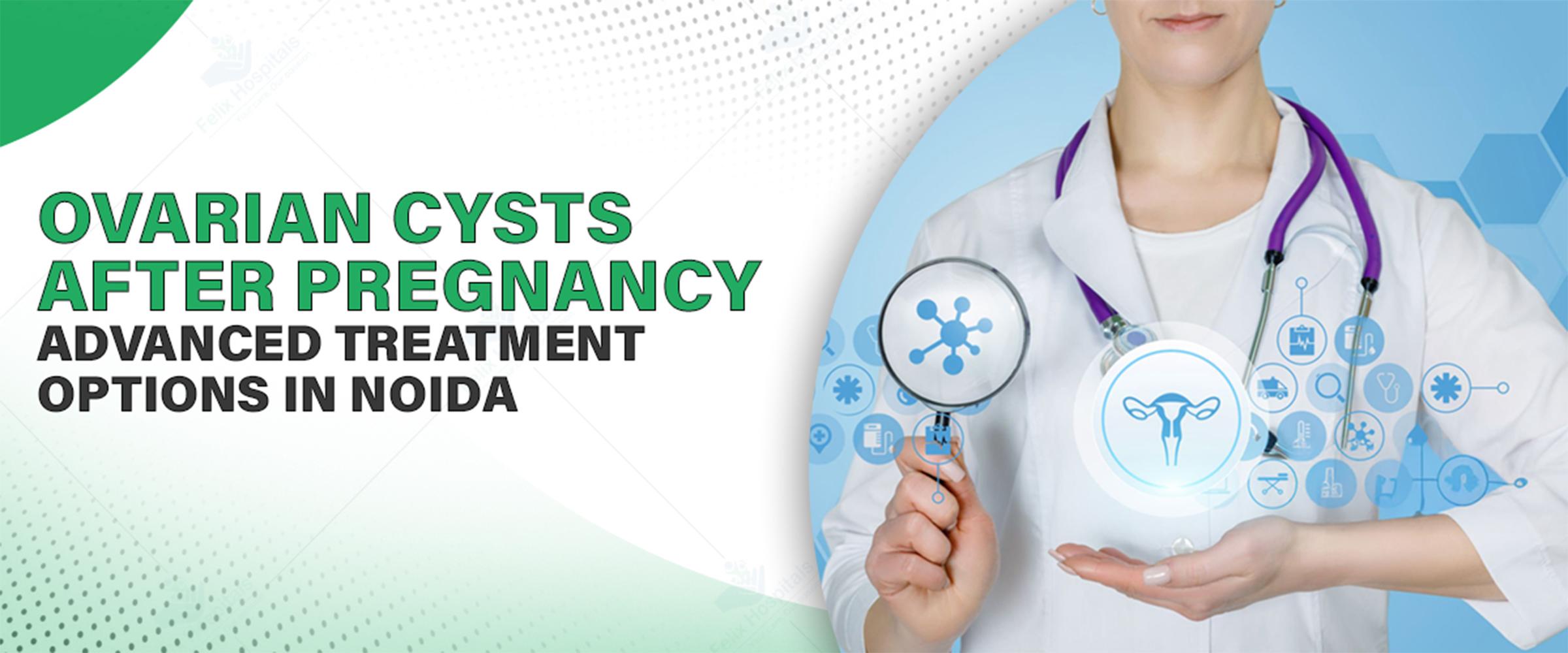
You’ve just brought a new life into the world, and yet, instead of settling into motherhood, you’re back in a doctor’s office, hearing the word “cyst.” It’s not what anyone expects after delivery, but for many women, ovarian cysts quietly make their presence known in the weeks or months that follow childbirth.
Maybe it started as a dull ache that wouldn’t go away. Or maybe it was found during a routine scan, catching you off guard. Whatever the case, it can be unsettling. But here’s the reassuring part: you’re not alone, and you’re not without options, especially if you’re in Greater Noida, where some of the country’s most advanced fertility-preserving treatments are readily available.
This blog is your go-to guide, not just to understand what’s happening in your body, but to help you move forward confidently with the right care.
Are you worried about ovarian cysts after pregnancy? Reach out now to schedule a consultation with top gynecologists in Greater Noida. Call us today at +91 9667064100.
The postpartum months can feel like your body learns a few surprises—one of them might be an ovarian cyst. These are essentially tiny, fluid-filled sacs that occasionally form on or inside your ovaries. Often, these crop up during pregnancy and don’t resolve right away; other times, hormonal ups and downs or conditions like PCOS or endometriosis spark their formation.
What’s tricky is that most cysts stick around silently, with no pain or warning. Often, they’re only discovered during a check-up or ultrasound. If you are seeking ovarian cyst treatment after pregnancy in Greater Noida, the first step usually involves a thoughtful assessment: How big is the cyst? What type is it? Is it bothering you at all? If it’s small and quiet, your doctor might suggest waiting and watching; if it's larger or complex, medical intervention could make sense. The goal is simple: treat if needed, but avoid overtreatment, and preserve your well-being along the way.
Right after giving birth, it’s easy to overlook small discomforts — you're tired, healing, and focused on your baby. But if something feels off, especially in your lower abdomen, it’s worth paying attention. Ovarian cysts that show up (or linger) after delivery can bring a few signs along with them, though not everyone will feel the same symptoms.
Here are a few things to watch out for:
A nagging ache or sharp pain low in the belly, sometimes on one side
A sense of heaviness or pressure that doesn’t ease up
Bloating that’s unrelated to eating
Pain or discomfort during sex, which might catch you off guard
Periods that come late, irregularly, or feel different than before
Needing to pee more often, or feeling like your bladder’s being pressed on
Nausea or even vomiting — this usually happens if the cyst twists or bursts
While most cysts aren’t dangerous, some can lead to complications if left untreated. One of the more serious concerns is ovarian torsion — when a cyst causes the ovary to twist, cutting off blood flow. That’s a medical emergency and usually comes with sudden, sharp pain. Although less common, a ruptured cyst can also cause pain and may sometimes lead to internal bleeding. In rare cases, recurring or complex cysts might affect fertility over time.
So, you’ve found out there’s an ovarian cyst after your pregnancy. It can feel scary, but honestly, it’s pretty common, and there are a few ways doctors in Greater Noida usually handle this.
Watch and wait: If the cyst is small, like under 5 cm, and not really causing you any problems, they might just want to watch it for a while. This usually means you’ll get ultrasounds every so often to make sure it’s not growing. Many of these cysts naturally disappear once your body's hormones stabilize after childbirth.
Medications: In some cases, doctors may recommend hormone pills, such as birth control. These don’t make the cyst go away, but they help keep your hormones steady, which can stop new cysts from forming, especially if your hormones have been a bit out of whack.
Surgery: But if the cyst is big, painful, or just won’t budge, then surgery might be the next step. Thankfully, in most places here, it’s done with tiny cuts and cameras, what they call laparoscopic surgery. It usually means less pain afterward, quicker recovery, and saving your ovary.
Basically, the approach depends on the symptoms and how things develop in your ovaries. The key is having a doctor who listens and helps you figure out the best plan for your better future.
When surgery is needed for ovarian cysts after pregnancy, doctors in Greater Noida usually prefer minimally invasive methods. These are way better than the old, big cuts because they mean less pain and a quicker bounce-back.
Laparoscopic ovarian cystectomy: The most common ovarian cyst treatment is laparoscopic surgery. Basically, the surgeon makes a few minimal cuts and by using a camera to see inside your stomach they carefully remove the cyst without hurting the ovary. The whole thing usually takes one or two hours, and most women go home in a couple of days. After that, it’s mostly about taking it easy for a bit and following up with the doctor.
Robotic Surgery: Some hospitals also offer robotic-assisted surgery. This sounds fancy because it is! The surgeon uses a robot to help guide their tools with super steady precision. That means less bleeding, smaller scars, and usually less discomfort. Not every place has this tech yet, but in Greater Noida, a few top centers do. It’s a good option if you want the best possible care and the fastest recovery.
These methods are especially great if you want to keep your fertility intact after delivery. Plus, they get you back to your life quicker than traditional surgery.
So, after your cyst is taken care of, most people are surprised by how quickly they start feeling better — especially if it was a laparoscopic surgery. Usually, you won’t need to stay long in the hospital, maybe just a day or two tops.
Here’s what it’s like, roughly:
You might feel a bit sore or tired for the first week, but nothing too crazy. Simple pain meds like ibuprofen usually help.
Moving around a little bit is actually good. Walking helps your body heal faster. Just don’t overdo it — avoid lifting heavy stuff or working out hard for a couple of weeks.
Your doctor will want to see you again to check your stitches and maybe do an ultrasound just to be sure everything’s healing fine.
Sometimes, they might tell you to keep taking hormone pills after surgery to keep new cysts from showing up.
Most people get back to their normal day-to-day in about one or two weeks, which is way better than the old-school big surgeries that took months.
Everyone’s different, though, so listen to your body and your doctor’s advice.
What makes a good gynecologist? Yes, it’s a big deal. You want so treatment in Greater Noida mesne who really knows their stuff, especially when it comes to ovarian cysts after pregnancy.
Here’s what I’d look for, honestly:
First, check if they’re properly qualified and have experience with these kinds of cysts after pregnancy. You don’t want a newbie.
It’s nice if they’re familiar with the newer, less painful surgeries, like laparoscopy or robotic-assisted ones. Those usually help you heal faster.
A big deal is how they speak with you. Like, do they listen? Do they explain stuff in a way that actually makes sense? Or do they just throw around medical words? Furthermore, see if their hospital has up-to-date equipment. Things like good ultrasound machines or robotic surgery tools if that’s needed.
And, of course, don’t be shy about asking around or reading what other patients say. This can provide you with a clearer understanding.
At the end of the day, trust your gut. If you feel comfortable and they provide satisfactory answers to your questions, you're likely to proceed.
Talking about money isn’t always fun, but it’s super important when you’re figuring out the treatment options for postpartum ovarian cyst cost in Noida. Prices can vary a lot, depending on what you need and where you go.
Here’s roughly what you might expect:
If you go for laparoscopic surgery to take out the cyst — which is the usual choice these days — it could cost anywhere from about ₹28,000 up to ₹70,000. Big hospitals tend to charge somewhere in the middle, maybe ₹45,000 to ₹55,000.
Open surgery, which is less common now, can be pricier — sometimes close to ₹85,000.
There’s also a simpler option where doctors drain the cyst with a needle. It’s cheaper (like ₹5,000 to ₹15,000), but the cyst might come back more often.
Hormone pills, like birth control, can help stop new cysts, and those usually cost around ₹500 to ₹1,500 a month.
Keep in mind, the price tag usually covers more than just the surgery — things like scans, doctor visits, hospital stay, and follow-ups. So, it’s the best idea to ask the hospital exactly what’s included before you decide.
If you suspect or know you have ovarian cysts after pregnancy, don’t delay. Book your appointment with a specialist in Greater Noida.
Ovarian cysts after pregnancy might sound scary at first, but honestly, they’re more common than people think — and in most cases, totally treatable. The key is knowing what’s going on with your body and not brushing off symptoms just because “it’s probably nothing.”
If you're in Greater Noida, you’ve got access to some solid treatment options — whether it’s simple monitoring, medication, or surgery. And the good news? Most women recover well and go on with their lives just fine, especially when they catch it early and choose a doctor who knows their stuff.
So if something feels off, don’t wait it out. Talk to a gynecologist, ask your questions, and take care of yourself — you’ve just been through pregnancy, your body deserves that attention.
Q1. I had a C-section — could a cyst cause problems with healing or future pregnancies?
Ans: It’s possible. If the cyst is large or sticks around for a while, it can sometimes get in the way of healing or affect the tissue near your surgical scar. It’s a good idea to have it checked out, just to make sure everything’s healing properly — especially if you’re thinking about another baby later on.
Q2. How soon after giving birth can I get a cyst removed?
Ans: It depends. If the cyst is painful or getting bigger, your doctor might suggest dealing with it just a few weeks after delivery. But if it’s not urgent, they may wait a couple of months to let your body settle a bit first.
Q3. Can a cyst come back even after it’s been removed?
Ans: Yeah, it can — especially if the cause is hormonal, like with PCOS. Some doctors in Greater Noida will combine surgery with hormone therapy or suggest a few lifestyle tweaks to help keep new cysts from forming.
Q4. I’ve been feeling some pelvic pressure, but my ultrasound during pregnancy was normal — could it still be a cyst now?
Ans: Definitely possible. Some cysts can show up after delivery or grow bigger later on. If something feels off, it’s worth going in for another scan to see what’s going on.
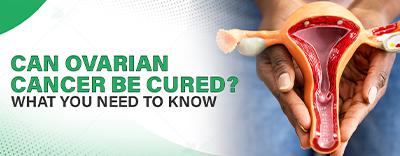
Can ovarian cancer be cured? Early detection plays a critical role. This article explores the chances of cure, available treatment options, survival rates, and the importance of regular screenings for timely diagnosis and improved outcomes.


Subscribe to our
© Copyright 2026. All Rights Reserved by Felix Healthcare Private Limited
Design and development by :


 +(91)9667064100
 Emergency : +(91)9667064100