 Emergency:
  WhatsApp


Subscribe to our
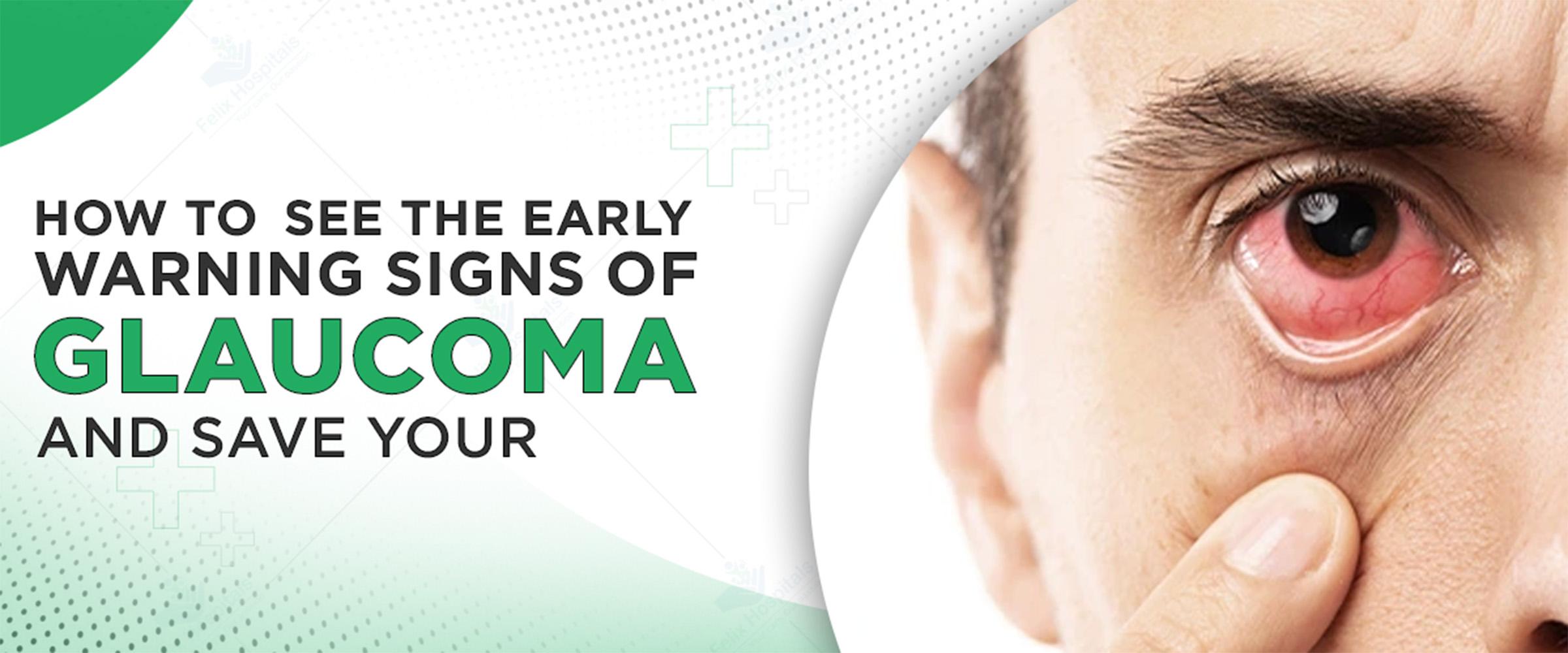
Glaucoma is the second leading cause of preventable blindness in the world and usually progresses unnoticed until substantial vision is lost. Preventive measures followed by its early detection and treatment are critical in saving vision. So if you or your loved one are showing signs such as blurred vision, pain in eye or seeing halos around the lights, then immediate consultation with a Glaucoma specialist in Noida is a must. At the best Eye Hospital in Noida with an experienced team of specialists, patients can be assured of accurate diagnosis along with a tailored treatment regimen to preserve and enhance natural vision.
book an appointment with Best Eye Doctor In Noida. Call now at +91-9667064100.
Glaucoma is a progressive eye disease that hurts your optic nerve, which is the important pathway that sends visual information from your eyes to your brain. High IOP often causes this damage, but it can also happen when the IOP is normal. If left untreated, glaucoma can make you permanently blind.
People of all ages can get this condition, but it is very common in older adults and is one of the main reasons people over 60 go blind because early warning signs of glaucoma are not noticed. This is one of the things that makes it so scary. Most people don't even notice a change in their vision until a lot of their optic nerve has already been damaged because the progression is so slow.
For early detection, you need to have your eyes checked regularly. These might be more comprehensive exams that include such tests as checking the optic nerve or measuring the pressure inside the eye. Early identification would allow for intervention, which may halt signs of glaucoma vision loss
Glaucoma can be treated in many ways, depending on what type it is and how bad it is. These treatments include medications, laser treatments, and surgical treatments. Treatment for glaucoma is lifelong and requires regular follow ups in order to preserve any remaining vision and quality of life.
Glaucoma occurs when production and outflow of aqueous humor, the eye's fluid, are imbalanced. The eye is constantly producing new fluid and draining old fluid from the eye through the drainage angle. In glaucoma, the outflow of this fluid is blocked, causing it to accumulate and pressure within the eye to increase, which can harm the optic nerve.
Initially, the drainage angle doesn’t function well, and it is difficult for the fluid to move through. The eye continues to produce aqueous humour, increasing the pressure. This higher pressure begins to damage the delicate fibres of the optic nerve. That symptoms aren’t usually apparent until substantial damage has occurred doesn’t help allay the challenge of their early detection.
The symptoms are evident late if the damage is severe to the optic nerve. Blind spots are a common problem, especially in peripheral vision, which is the outer edge of the visual field that helps you see movement and things on the side.
Other late-stage symptoms include seeing halos around lights and having blurry vision, especially after doing something physical. These signs mean that the optic nerve is seriously damaged and that the person is more likely to lose their sight.
To find glaucoma early and protect your vision, you need to have regular eye exams and get treatment right away. If you get diagnosed and treated early, the disease may progress more slowly and your vision may be protected.
Glaucoma can worsen without causing any symptoms that are perceptible, or make you aware of what is happening, until lots of damage has been done. But Glaucoma early symptoms, that, if you know what to look for, can promote quick action and halt the serious vision loss. Here’s what to look for:
Gradual loss of peripheral vision is often one of the earliest (and the most subtle) signs of glaucoma .
It's hard to see things or movement at the edges of your field of vision.
This symptom is easy to miss because your central vision stays sharp.
If not treated, progression can cause tunnel vision.
Bright lights that seem to be surrounded by rainbow-coloured halos may mean that the pressure inside the eye is rising.
This is common in angle-closure glaucoma, which can get worse quickly.
Often comes with pain in the eyes or blurry vision.
More obvious at night or in places with low light.
Acute angle-closure glaucoma is a medical emergency that causes severe eye pain and redness. May make you feel sick or throw up. If symptoms come on suddenly, you need to see a doctor right away. Less common in open-angle glaucoma, but still a possible sign.
If you have unexplained headaches that keep coming back, especially around your eyes, it could be a sign of changes in the pressure inside your eyes. The level of pain may change, and it is usually worse in the morning.
People might think they have migraines or tension headaches.
If you have trouble getting used to low light or darkness, it could be a sign of early optic nerve damage. Having trouble seeing when you walk into a dark room or drive at night.
It may also take longer for the body to respond to changes in light intensity.
The answer is regular eye exams are very important for keeping your vision healthy and stopping conditions like glaucoma from getting worse. Glaucoma is one of the main causes of permanent blindness, and it often develops without any symptoms. This is why regular eye exams are so important. Here's why putting your eye health first can help protect your vision:
In the early stages of glaucoma, there are often no symptoms, and vision doesn't change until there is a lot of damage. Regular eye exams can find glaucoma before it causes you to lose your vision. Finding something early allows for quick action, which could stop serious problems from happening. Taking care of your eyes in advance will help you in the long run.
Increased IOP is one of the most important risk factors for glaucoma. IOP is typically obtained non-invasively by tonometry and other non-invasive methods during eye check-ups.
It can also be helpful to track someone's IOP over time, to see if there's something that might indicate glaucoma is developing.
Drugs, laser treatments or surgery can control the IOP, slowing the disease’s advance.
The optic nerve is the bundle of nerves that sends visual information from your eye to your brain and it is one of the prime places that glaucoma can damage. Advanced imaging, such as optical coherence tomography (OCT) and others, may detect small changes in the optic nerve.
Peripheral vision tests asses early signs of damage in your peripheral vision.
Testing for increased eye pressure is only one element of a complete glaucoma assessment. Examining the drainage angle of the eye is part of a screening, and it can help determine what type of glaucoma might be had. Gonioscopy and pachymetry, two other tests, measure the anatomy of the eye and the thickness of the cornea.
With the right strategies, you can save vision from glaucoma which is one of the main causes of permanent blindness, and can be managed or even stopped. Taking steps to protect your vision and following your doctor's orders are the first steps. These are some important things you can do:
Injuries to the eyes can make glaucoma more likely. Always wear safety glasses when you play sports or do things that could hurt your eyes.
As with many other originating factors concerning our overall health, general health care is very important in maintaining healthy eyes.
Smoking harms blood vessels, allowing less blood to flow to the optic nerve.
Advances in medicine have transformed how glaucoma is treated, offering hope to patients.
Laser Therapy: In a minimally invasive laser procedure, laser therapy helps fluids drain more effectively, which can reduce pressure in the eye.
Microsurgery: High tech maneuvers such as trabeculectomy and shunts open highways for fluid to flow out.
State-of-the-Art Medications: There are several eye drops that are very effective at reducing IOP and are easy to use daily.
There are many ways to prevent glaucoma getting worse as well as keeping your vision healthy, and with many cutting-edge medical breakthroughs too, you can seriously increase your chances of being able to control glaucoma. At Felix hospital noida, you will receive seriously comprehensive, personalised care that is based on your specific requirement.
Early detection saves vision! Schedule your eye screening at +91 9667064100
Be responsible for your own vision. Identifying the early symptoms of glaucoma can enable you to retain your eyesight . Don't wait for symptoms to show up; make an appointment for an eye exam at a reputable place like the best Eye Specialist In Noida. Your eyes are windows to the world, so take care of them and keep an eye on them.
1. Is there a way to get rid of glaucoma?
Ans. Sadly, there is no cure for glaucoma. But early treatment can stop or slow down the disease's progress a lot.
2. How often do I need to have my eyes checked?
Ans. People over 40 should get their eyes checked every one to two years. People who are at high risk may need to see the doctor more often.
3. Are there any natural ways to treat glaucoma?
Ans. A healthy lifestyle can help your eyes, but it can't take the place of medical treatment for glaucoma.
4. What does it mean when people call glaucoma the "silent thief of sight"?
Ans. Glaucoma often develops without any obvious signs, which can cause vision loss before you know something is wrong.
Eye flu, also known as conjunctivitis, is a common eye infection causing redness, irritation, and watering. Learn its causes, symptoms, and effective treatments.
The right ophthalmologist is a crucial step in your eye surgery journey


Subscribe to our
© Copyright 2026. All Rights Reserved by Felix Healthcare Private Limited
Design and development by :


 +(91)9667064100
 Emergency : +(91)9667064100