 Emergency:
  WhatsApp


Subscribe to our
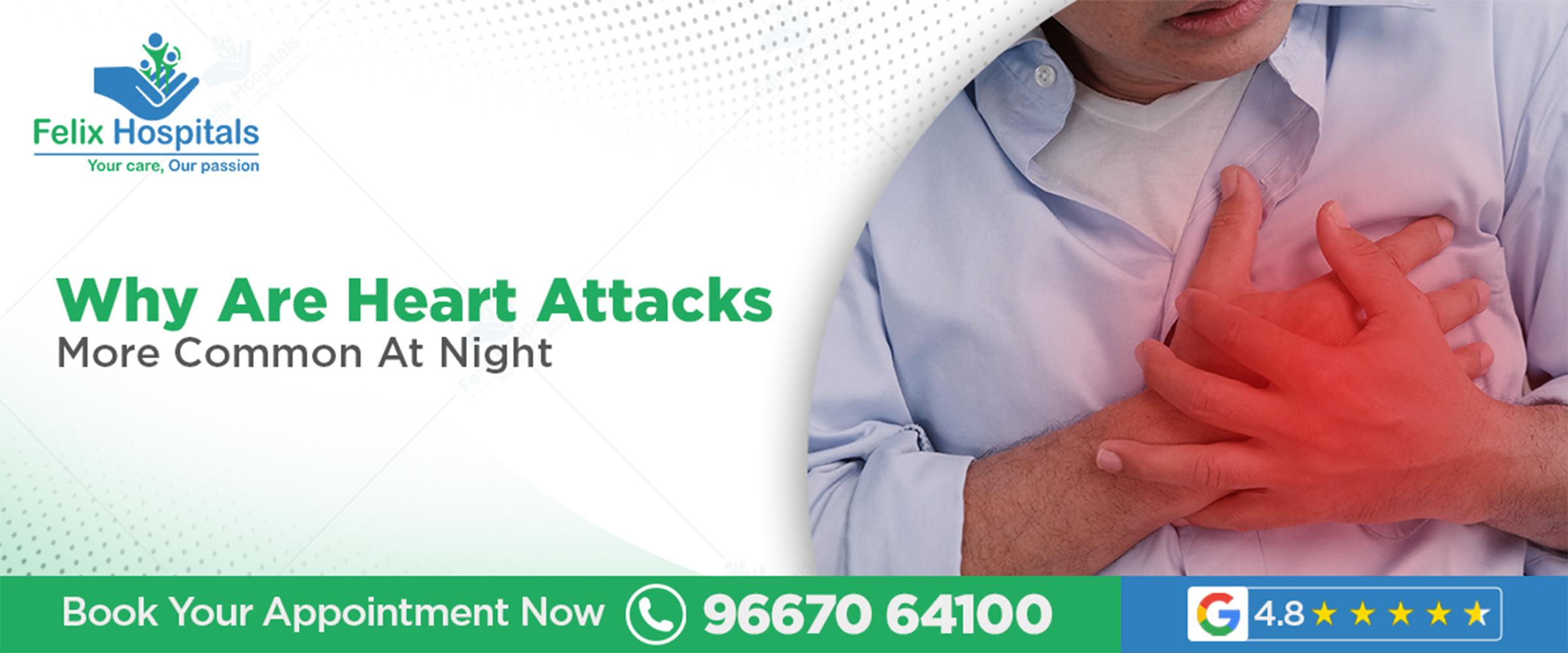
Heart attacks have been identified as one of the major causes of death in the world, and it is important to know when they occur to prevent and treat them better. Interestingly, heart attacks occur more particularly at night and this poses special challenges in detecting and attending to it. If you are concerned about your heart health, consulting a trusted heart specialist in Noida and seeking timely cardiac treatment in Noida can save lives. This blog explores heart attacks at night, night time heart attack causes, heart attack symptoms, signs of heart attack at night, reasons heart attacks are more common at night, and heart attack risk during sleep hours to help you recognize and act promptly.
Schedule a consultation Call on +91 9667064100 with a trusted heart specialist in Noida to receive comprehensive evaluation and personalized cardiac treatment in Noida.
Myocardial infarction or heart attack is a condition that leads to tissue damage or death of a section of the heart muscle due to blocked blood supply. Blockages typically occur following atherosclerosis which is constrained arteries caused by deposition of plaque or abruptly formed clot. Although heart disease may occur at any time of the day, studies show that the occurrence is more common and severe during the night and the early morning hours, which affects patient outcomes.
Several physiological and environmental factors explain why heart attacks at night occur more frequently:
The Circadian Rhythms and Heart Work: The body does have a 24-hour clock, which regulates the amount of hormones released, blood pressure, and the rate of the heart. Cortisol and adrenaline levels change at night influencing blood vessel narrowing and clotting propensity, thus predisposing people to heart attacks.
Blood Pressure Changes during Sleep: Blood pressure normally drops when people sleep but when they wake up or when they experience some sleep problems, the pressure can skyrocket, placing a heart strain and allowing the vessel to rupture.
Changes of the Autonomic Nervous System: Nocturnal alterations in sympathetic and parasympathetic activities result in vascular alterations, platelet aggregation, and inflammation, which may cause heart attacks.
Sleep Apnea and Oxygen Desaturation: Obstructive sleep apnea is typical during the night, and it leads to the frequent decrease of oxygen levels that force the cardiovascular system and risk clot development.
Decreased Symptom Awareness: Awareness of symptoms during sleep or in the early morning may be missed or be mistaken and more damage will be caused.
Recognizing signs of heart attack at night can be lifesaving. The symptoms can marginally vary with daytime symptoms although usually encompass:
Sharp chest pain or uneasiness, which may be termed as pressure or squeezing and fullness.
Radiating pain in arms, neck, jaw or back.
Breathing difficulty, occasionally without chest pains.
Profuse sweating or cold sweat.
Nausea or vomiting
Fatigue and dizziness
Breast pains or irregular heartbeat.
Since the symptoms can wake an individual up, that is why any individual who has such symptoms at night should go to the emergency care.
The causes of heart attacks at night are similar to those that happen during the day, but they also have some unique factors that are related to how the body works at night:
Increased Coagulation Activity: At night, levels of coagulation factors rise, which makes arteries more likely to become blocked.
Changes in vascular tone: Blood vessels get narrower when people sleep, which can lead to ischemia.
Hormonal changes: The peaks of cortisol and noradrenaline affect the risk of heart disease.
Disturbances during sleep: Conditions like sleep apnea cause hypoxia, which increases oxidative stress and inflammation.
These causes lead to awareness that is useful in preventive measures like management of sleep disorders and maximization of medication time.
Studies identify an elevated heart attack risk during sleep hours, particularly between midnight and 6 am, with notable peaks around 3-4 am. Contributing factors are:
Manage high blood pressure or diabetes.
Smoking and alcohol use
Obesity and high cholesterol.
The effects of stress and anxiety on sleep quality.
Abnormal sleeping habits or insomnia.
Patients with these risk factors should prioritize cardiac check-ups and screening with a heart specialist in Noida for tailored risk management and appropriate cardiac treatment in Noida.
To reduce the risk of heart attacks at night, consider the following:
Regular heart examinations: The risks can be identified early and thus addressed in time.
Treat sleep disorders: CPAP or lifestyle changes can treat sleeping disorders such as sleep apnea.
Drug compliance: Take cardiovascular medications regularly, preferably at night to maximize the effect.
Healthy lifestyle: A healthy diet, exercise, quitting smoking, and drinking alcohol moderately reduces risk.
Stress management approaches: Mindfulness, relaxation and proper sleep hygiene are beneficial to the heart.
Emergency preparedness: Know heart attack symptoms and seek immediate help if they occur at night.
If you experience recurrent nighttime chest discomfort, unexplained fatigue, or other suspicious symptoms, consulting a reputable heart specialist in Noida is critical. Early diagnosis and customized cardiac treatment in Noida improve prognosis and reduce complications.
Get a call back now on +(91)96670 64100 and get your heart in expert care.
In conclusion, heart attacks at night are caused by complex physiological changes and have unique risk factors. Recognizing signs of heart attack at night and understanding the night time heart attack causes is crucial for prevention and prompt treatment. Engaging a skilled heart specialist in Noida and accessing quality cardiac treatment in Noida enhances survival and recovery outcomes.
Q.1. What is the reason, why do heart attacks happen during the night?
Ans. Nighttime vessel constriction and clotting is increased by natural body rhythms and hormone variations.
Q.2. Are heart attack symptoms different at night?
Ans. The symptoms are close but can be confused with other disorders or remain undetected when one is sleeping.
Q.3. What can I do to avoid night heart attacks?
Ans. They control risk factors, sleep disorders, taking prescribed medications and healthy lifestyle.
Q.4. Does it make more harm when there is a heart attack at night?
Ans. Delayed symptom recognition and treatment are negative factors that cause more severe damage during night-time heart attacks.
Q.5. When do I need to visit a cardiologist when experiencing a night time pain in the chest?
Ans. Take emergency treatment when the chest pains or symptoms arise, particularly during the night.
In Noida hospitals, recognized for being among the best heart health hospitals in Noida, are at the forefront of offering critical care for heart-related issues.

Find the best cardiologist for your heart care with these essential tips and expert advice.


Subscribe to our
© Copyright 2026. All Rights Reserved by Felix Healthcare Private Limited
Design and development by :


 +(91)9667064100
 Emergency : +(91)9667064100