 Emergency:
  WhatsApp


Subscribe to our
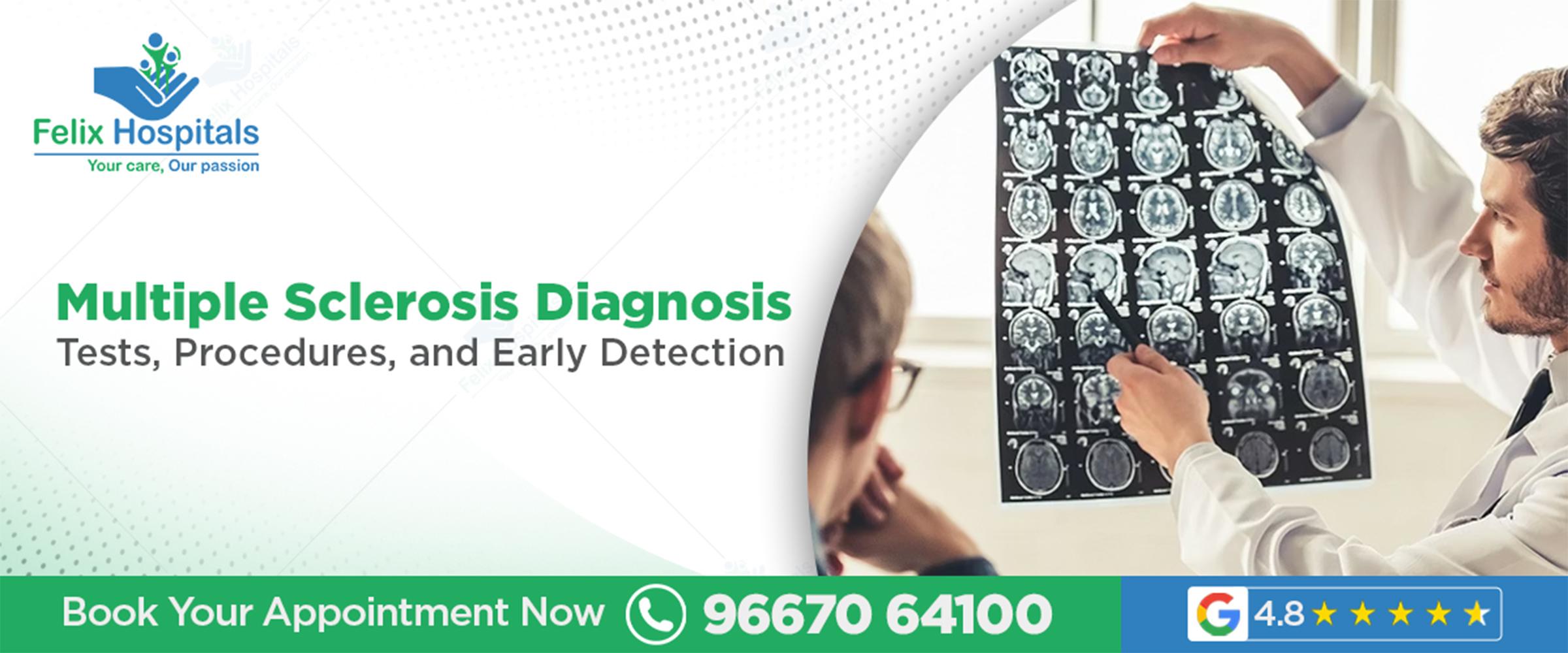
Multiple sclerosis (MS) is a progressive neurological disorder where the immune system destroys the protective cover of nerve fibres and as a result, the brain encounters communication problems with other body systems. Understanding What is Multiple Sclerosis? is crucial for early detection and effective management. The disease manifests in different ways that are determined by the nerves that are infected and so diagnosis is a complicated task.
Early warning signals may not mean much but you should not delay. Today, Call +91 9667064100 and book an appointment with an Multiple Sclerosis doctor in Noida.
What is Multiple Sclerosis? is a question essential to understanding this complex disease:
Disease mechanism:
Myelin (nerve protective covering) is attacked by the immune system.
Interferes with brain-body contact.
Produces inflammation and destruction of the nerve fibres.
Anaesthetic of central nervous system (brain and spinal cord).
Evolutionary or relapsing-remitting associations.
It does not affect two patients in the same way.
Cytotrophic leprosy Relapsing-Remitting (MS) (most common, 85 percent)
Primary Progressive MS (progressive worsening)
Secondary Progressive MS (first relapses, followed by progression)
Progressive- Relapsing MS (rare form)
It is best to consult a Multiple Sclerosis doctor in Noida because this person will be able to conduct an accurate assessment and implement timely interventions based on particular symptoms.
Recognising Early Signs and Symptoms of Multiple Sclerosis can significantly impact treatment success:
Eye difficulties (blurry vision, double vision, headache)
Limb numbness or tingling.
Arms or leg muscle weakness.
Severe imbalance exhausted with no relief.
Balance or coordination difficulty.
Dizziness or vertigo
Mental (memory problems, lack of concentration) problems.
Bladder or bowel dysfunction.
Usually occur in episodes (relapses).
Times of recovery, partial or total.
The symptoms deteriorate when exposed to heat.
They are extremely different among people.
May be subtle initially
As soon as these symptoms manifest themselves, it is advisable to consult early in order to start the diagnostic tests as soon as possible, so that before serious nerve damage ensues.
Patients should know When to See a Doctor for MS Diagnosis to ensure timely intervention:
Seek medical attention for:
Persisting unexplainable neurological symptoms.
Double vision or vision loss
Recurrent feebleness of members.
Pain in the hands or the feet.
Problems with balance or falls.
Abnormal fatigue in everyday living.
Brain-based problems or memory problems.
Here and there a symptom mysteriously comes.
Imperative insights: It is important not to overlook even minor symptoms and timely consultation will help to diagnose and treat the disease faster.
A visit to a MS specialist hospital in Noida will confer experiences with neurologists who can distinguish between MS and other similar neurological conditions, which have similar presentation.
Special testing is used in the diagnosis of MS. Common Tests Used to Diagnose Multiple Sclerosis include:
Identify lesions of brain and spinal cord.
Show areas of myelin damage
Follow-up disease development.
The most significant diagnostic instrument (90% correctness)
Cheques cerebral spinal fluid in terms of immune markers.
Identifies oligoclonal bands (MS characteristics)
Eliminates infections or other disorders.
Reject electrical response to stimuli.
Auditory, sensory, and visual tests.
Detect nerve pathway damage
Eliminate similar symptom rule-out conditions.
Rule out deficiencies of vitamins, infections.
Examine other autoimmune diseases.
All these diagnostic measures assist in confirming the existence of MS, as well as ruling out other possible reasons.
The Step-by-Step MS Diagnosis Procedures follow a systematic approach:
In-depth medical history.
Timeline of symptom measurement.
Family history assessment
Risk factor evaluation
Coordination and the reflex test.
Muscle strength assessment
Eye movement and vision test.
Sensory function testing
Balance and gait analysis
MRI images of the brain and spinal cord.
Search characteristic lesion patterns.
There are numerous lesions in other locations.
CSF analysis Lumbar puncture.
The ruling out of alternatives by blood tests.
Evoked potential studies
Watch out for new symptoms, symptoms, lesions.
Confirm diagnosis over time
Evaluate disease pattern
My patients attending a MS specialist hospital in Noida have an opportunity to enjoy high-quality facilities and qualified doctors who assist patients in all the procedures.
Understanding the Importance of Early Detection in Multiple Sclerosis cannot be overstated:
Earlier initiative disease-modifying therapies.
significantly slows down the disease progression.
Minimise rate of relapse.
Reduce risk of long term disability.
Preserve quality of life
Permit lifestyle changes at an early age.
Improved reaction to medications early in life.
Greater symptom control.
Improved long-term outcomes
Establishing averted nerve injury.
Statistical advantage: Up to 30% of disability progression can be lessened by early intervention during a 10-year time-period.
Best neurologists in Noida emphasise regular follow-ups and monitoring to catch disease activity at earliest stages.
How Doctors Confirm an MS Diagnosis involvesintegrating multiple findings:
McDonald Criteria (diagnostic criterion):
Clues of CNS lesions in other places.
Lesions at various time periods.
There is no other explanation than this.
Relating MRI findings with clinical manifestation.
Findings of laboratory of CSF analysis.
Findings of neurological examinations.
Elimination of a condition of mimicking.
There were several lesions scattered in CNS.
Ages of lesions at varying ages.
Spinal-fluid oligoclonic bands.
Abnormal evoked potential findings.
Patients of a Best Neurology Hospital in Noida are well examined by experienced specialists who will ensure that all diagnostic criteria are properly evaluated to minimise the possibility of misdiagnosis.
Conditions Similar to MS is crucial for accurate evaluation:
Conditions that mimic MS:
Neuromyelitis optica (NMO)
Lyme disease
Vitamin B12 deficiency
Lupus (erythematosus systemica)
Neurological impairment of stroke.
Sarcoidosis
Brain tumors
Fibromyalgia
Every instance is treated in a different way.
Other ailments will not respond to MS-specific therapies.
There are curable/treatable some conditions of mimicking.
Right diagnosis provides the right care.
Comprehensive evaluation with a Multiple Sclerosis doctor in Noida is what makes sure that other conditions should be ruled out and patients are properly diagnosed.
The Latest Diagnostic Tools and Technologies for MS have significantly improved detection:
MRI machines with high resolutions and 3D material.
Improved capability on lesion detection.
Increased visualisation of spinal cord.
A structural mapping of the brain.
Proven methods of spinal fluid analysis.
Evoked potential systems that are automated.
Identification research Biomarker identification research
Image analysis by artificial intelligence.
Time-lapsed automated tracking of lesions.
Disease progression predictive modelling.
Digital monitoring tools
These high-tech tools help patients that address an MS specialist hospital in Noida to obtain timely diagnosis and plan the course of treatment individually.
Managing Symptoms After Diagnosis focuses on effective management:
Progression slowing disease-modifying therapies (DMTs).
Steroids for acute relapses
Symptomatic (pain, spasticity) treatment.
Physical and occupational therapy.
Rehabilitation programs
Frequent physical activity that keeps one mobile.
Procedural stress management.
Adequate sleep and rest
Balanced nutrition
Regulation of temperature (do not overheat)
Frequent visits with Multiple Sclerosis doctor in Noida.
Oversee the progression of the disease.
Adjust therapies as needed
Remain independent and living.
Make sure of proper diagnosis and prompt treatment in the MS specialist hospital at Noida. Early diagnosis will have a big impact in treatment of MS.
Multiple sclerosis is a complicated disease which needs focused consideration and professional treatment. Understanding What is Multiple Sclerosis?, recognising Early Signs and Symptoms of Multiple Sclerosis, knowing When to See a Doctor for MS Diagnosis, and understanding Common Tests Used to Diagnose Multiple Sclerosis are critical first steps.
Following Step-by-Step MS Diagnosis Procedures, appreciating the Importance of Early Detection in Multiple Sclerosis, knowing How Doctors Confirm an MS Diagnosis, understanding Differential Diagnosis: Conditions Similar to MS, utilising Latest Diagnostic Tools and Technologies for MS, and focusing on Living with MS: Managing Symptoms After Diagnosis ensure comprehensive care.
Consulting a Multiple Sclerosis doctor in Noida, visiting a MS specialist hospital in Noida, or seeking care at the Best Neurology Hospital in Noida with Best Neurologists In Noida ensures access to expert care, accurate diagnosis, and comprehensive treatment plans tailored to individual needs.
The first steps that a Multiple Sclerosis doctor in Noida undertakes are a close neurological test and a medical history.
MRI, lumbar puncture, and evoked potential tests are Common Tests Used to Diagnose Multiple Sclerosis that confirm diagnosis.
Visit a MS specialist hospital in Noida and see a neurologist immediately, in case of vision problems, numbness, or unaccounted fatigue.
Yes, other neurological conditions can mimic MS, which is why thorough Differential Diagnosis: Conditions Similar to MS is essential.
The Importance of Early Detection in Multiple Sclerosis lies in allowing timely treatment to slow progression and reduce relapses significantly.
Dr. P. S. Naga Srinivas is a skilled Consultant Neurologist with strong experience in managing various neurological disorders. He follows a patient-focused and evidence-based approach for accurate diagnosis and treatment of both acute and chronic neurological conditions, and is recognized among the Best Neurologists in Noida.
Blood clot in the brain is a serious condition causing sudden neurological symptoms and requires immediate medical treatment.
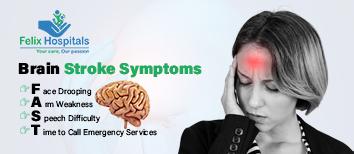
Recognizing the symptoms of a brain stroke is critical for getting prompt medical attention. The acronym F.A.S.T. is often used to remember the most common Brain stroke symptoms.
A concise guide explaining brain tumor surgery cost in Noida, including key factors, treatment options, and expert care.


Subscribe to our
© Copyright 2026. All Rights Reserved by Felix Healthcare Private Limited
Design and development by :


 +(91)9667064100
 Emergency : +(91)9667064100