 Emergency:
  WhatsApp

Subscribe to our
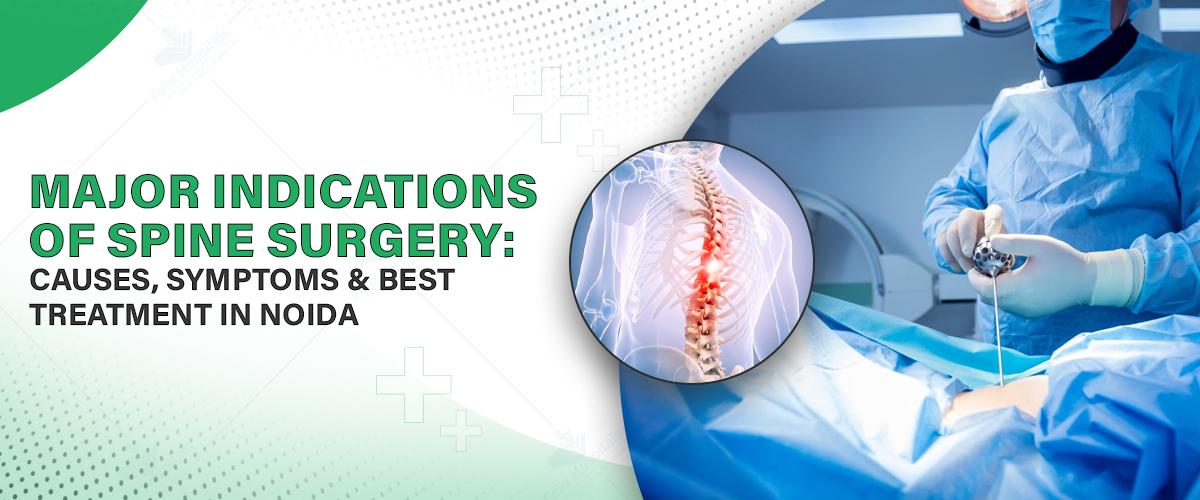
The spine is the structural support system of the human body. Spine-related disorders However, in some cases because of injury, wear and tear, or illnesses, spine related issues can have a great influence on mobility and quality of life. Surgery to the spine is a necessary alternative when more conservative treatments cannot alleviate symptoms. People living in Noida and nearby are more and more opting to undergo spine surgery for long term relief from chronic back pain or nerve related problems. This blog discusses the major indications for spine surgery, the reasons and the symptoms for it and the best endoscopy spine surgery in Noida available nowadays.
Back pain and discomfort shouldn’t get in the way of how you live your daily life. For more information please call us at +91 9667064100.
Spine surgery refers to any surgery performed in the spine or on the spinal cord and is used to correct problems associated with the discs between the vertebrae, nerves, and/or spinal cord. It’s often considered if non-surgical treatments like physical therapy, drugs, or injections do not give enough relief. Spinal surgery aims to eliminate pain, restore function, stabilize the spine and prevent further neurological damage. Surgical treatments can include removing portions of bones or discs that are compressing nerves, fusing vertebrae for more stability and using minimally invasive procedures, including endoscopic surgery, to decrease recovery times and complications.
The following are the most common spinal conditions and injuries that may need surgical intervention:
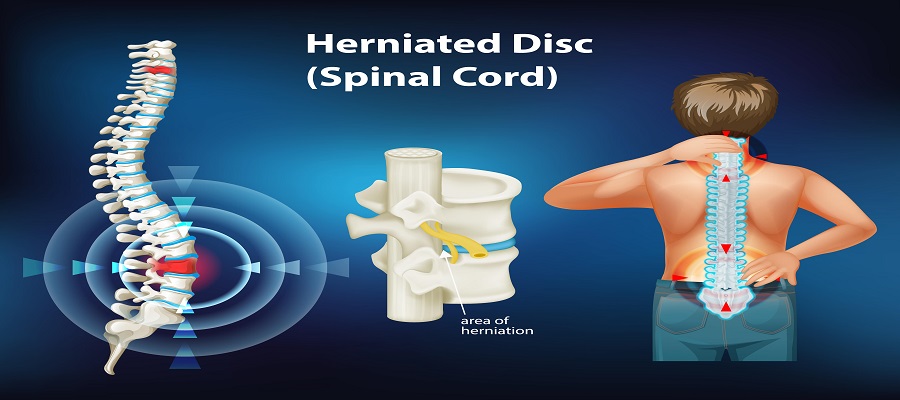
Herniated or Bulging Disc: The sponges between your vertebrae can slip or tear, though that may sound like a problem reserved for beanbags, not our bodies, putting pressure on the nerves, resulting in such complaints as pain, numbness, or weakness.
Spinal Stenosis: The spine canal narrows, pinching nerves, which results in pain, walking issues and numbness.
Degenerative Disc: As the body ages it also wears down, causing the discs in the spine to lose their plush texture leading to chronic back pain and decreased mobility.
Spondylolisthesis: One vertebra slips on top of another one; this makes it unstable and can press on the nerves.
Spinal Fractures: Vertebras can fracture due to trauma, osteoporosis, and these often require stabilization with surgery.
Infections or Tumors: Spinal infections and tumors may need to be operated on to resect affected tissues releasing pressure.
It is important to be aware of symptoms that may necessitate spine surgery so as to receive early treatment:
Chronic and severe pain, and back or neck pain unrelieved by conservative measures
Nerve pressure causing pain in limbs or other body parts.
Any loss of sensation/weakness/numbness in the extremities impacting function.
Incontinence (an emergency requiring immediate medical attention)
What standing, walking, or balance problems are you having?
Significant spinal deformity or instability
For patients seeking advanced care, spine surgery in Noida offers access to several specialized techniques, including the following:
Open Surgery: The surgeon makes a big cut over the area of the spine. This type of surgery is mostly use in difficult cases.
Minimally Invasive Spine Surgery (MISS): Smaller incisions, specialized equipment and cameras are used to minimize damage to muscles and other tissues (decreasing pain and speed recovery).
Endoscopic Spine Surgery: A form of MISS whereby a small camera (endoscope) is inserted through a small incision. It also provides a precise excision of diseased tissue, nerve decompression, and least invasive spinal stabilization.
Spinal Fusion: A surgical procedure to connect two or more vertebrae together with bone grafts or hardware to prevent painful movement and provide stability.
Disc Replacement: Replaces the damaged disc with an artificial implant which will allow motion.
Decompression Surgery: Bone spurs or disc material pressing on nerves is removed to relieve pain, restore function.
The following are the advantages of endoscopic spine surgery that is gaining popularity in best orthopedic doctor in Noida:
Lesser cuts result in low post-operative pain and scarring
Speedier recovery on a shorter hospital stay
Less risk for infection and complications
Less damage to healthy tissues and spinal muscles
Perfect for all types of spine issues including herniated disks and stenosis
Prior to surgery, patients generally receive an extensive workup with MRI or CT, neurologic exam, and medical evaluation. Mentally and physically preparing for surgery, following pre-surgery instructions and sharing concerns with your care team also make a difference.
General or regional anesthesia is given during the operation. The duration and complexity of the procedure depend on the condition and the technique. Post-operatively patients are given analgesia support, physiotherapy and resume normal daily work, following a phased plan.
Recovery periods will vary based on surgery type. Most endoscopic and minimally invasive surgeries will recover within weeks. Open surgeries can need months' long rehabilitation.
Important retrieval suggestions are:
Adhere to rehabilitation and physical therapy program uniformly
Avoid lifting or brisk exercises until counselled
Take a nutritious diet to help cure
Take follow-up appointments to monitor progress
Early consultation and early treatment can change your life--think about having back surgery if ongoing symptoms affect quality of life. Appointments today.
Spine surgery is a life-altering solution to people suffering from disabling diseases of the spine. Whether caused by herniated discs, stenosis, fracture, or degenerative diseases, cutting-edge treatments restore function, vanquish pain, and enhance overall quality of life. With endoscopic and minimally invasive surgeries, patients can avail state-of-the-art technology within the shortest possible turn-around times at any hospital in Noida.
If you or a family member experience recurring spine issues, knowing about the reasons, signs, and ways to treat them is a good starting point. Start your pain-free life and movement today making informed decisions about spine surgery.
Find the links below:
Check the links below:
Q1: What is spine surgery?
Ans: Spine surgery involves operations performed to correct vertebrae, discs, nerve, or spinal cord problems if non-surgical treatments aren't successful. Spine surgery is performed to remove pain, restore mobility, and strengthen a spine.
Q2: Spine surgery at what time?
Ans: It is then considered if these symptoms like persistent pain, numbness, weakness, or leakage of bowel/bladder continue after a trial of physical therapy and drugs.
Q3: What is the common condition requiring spine surgery?
Ans: It can be brought about by a number of things such as herniated discs, spinal stenosis, spondylolisthesis (slipping vertebrae), fractures.
Q4: Spine operations that can be performed?
Ans: Options range from traditional open surgery to minimal invasion to endoscopic spine surgery (using a small camera and minimal cutting) to spinal fusion to disc replacement to decompression surgery.
Q5: What are some benefits of endoscopic spine surgery?
Ans: It is a minimally disruptive procedure involving minimal pain, small scars, rapid recovery, and fewer chances of infection compared to open surgery.

Spinal cord injury is one of the most serious injuries one can have. The damages can be permanent if not treated on time.
A spinal cord injury occurs when there is damage to the spinal cord, often resulting from trauma, disease, or degenerative conditions.

Are you struggling with constant back pain that affects your daily life? Back pain can result from poor posture, long sitting hours, slip disc, muscle strain, or spinal problems.


Subscribe to our
© Copyright 2026. All Rights Reserved by Felix Healthcare Private Limited
Design and development by :


 +(91)9667064100
 Emergency : +(91)9667064100