 Emergency:
  WhatsApp


Subscribe to our
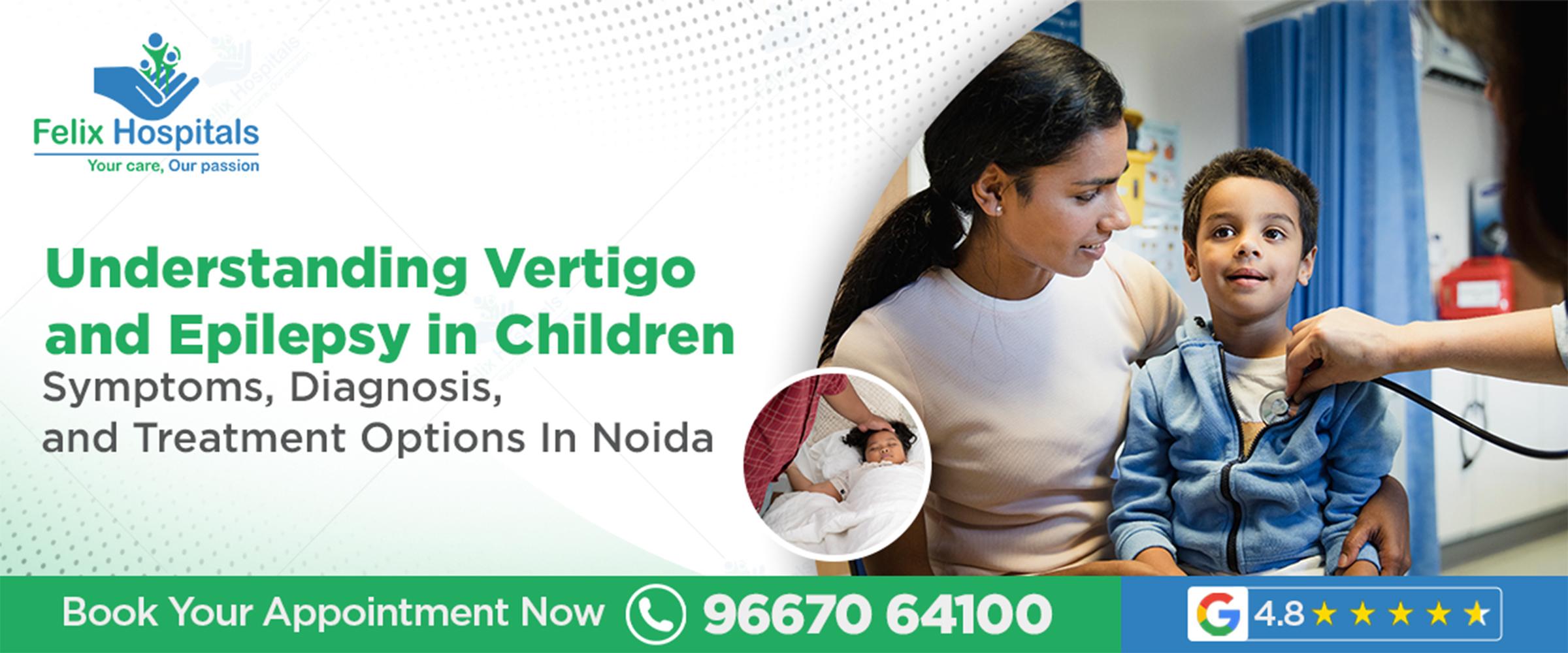
When it comes to paediatric neurological care, early diagnosis can make all the difference. Children may not always be able to explain what they feel, which makes conditions like vertigo and epilepsy difficult to recognize. These issues may present with similar symptoms, especially dizziness and balance issues in children, causing confusion for parents. Understanding these conditions becomes essential for seeking timely support. With access to specialized neurological services and emergency care such as brain stroke treatment in Noida and brain tumor treatment in Noida, families in the region have better avenues for early evaluation and comprehensive treatment.
A common concern for parents is recognizing what is vertigo in children. Vertigo is not just ordinary dizziness — it is the sensation that either the child is spinning or the surroundings are moving. Children often struggle to describe this sensation, sometimes using phrases like “I feel funny” or “the room is moving.”
Understanding the symptoms of vertigo in children helps parents identify when medical help is needed. These symptoms may include:
Sudden dizziness or spinning sensation
Loss of balance
Nausea or vomiting
Difficulty walking straight
Sensitivity to movement
Pale or frightened appearance during episodes
These signs may appear suddenly or repeatedly, disrupting a child's normal routine. If these issues persist, a neurological evaluation is essential.
There are many causes of vertigo in kids, ranging from simple ear infections to more complex neurological conditions. Common reasons include:
Ear infections or fluid accumulation can disturb the balance system.
Children who experience migraines may develop episodes of vertigo.
Even mild head injuries can affect the vestibular system.
More complex cases may involve conditions affecting the brain’s balance centers.
Glasses with incorrect power or sensory processing issues can contribute to imbalance.
Because the causes are so varied, identifying the exact reason requires proper evaluation by a specialist.
Vertigo can present in many forms. The major types of vertigo in pediatric patients include:
Short episodes of dizziness, often triggered by movements or visual changes.
Caused by viral infection affecting the inner ear nerves.
Episodes of vertigo combined with hearing issues.
Caused by neurological issues affecting the brain.
Since these types overlap with other conditions, it is important to differentiate them through accurate testing.
Epilepsy in children is a neurological disorder marked by repeated, unprovoked seizures. These seizures occur due to sudden electrical disturbances in the brain. While vertigo causes dizziness and balance issues in children, epilepsy may also present with confusion, staring spells, muscle jerks, or loss of consciousness.
Some children with epilepsy may initially show symptoms resembling vertigo—such as sudden imbalance, momentary blankness, or disorientation—leading to confusion during early diagnosis.
Although vertigo does not cause epilepsy, the two can have overlapping symptoms and triggers. The vestibular system — the part of the brain responsible for balance — interacts with regions involved in seizure activity. This overlap can lead to situations where a child experiences dizziness before or after a seizure.
Common overlapping triggers include:
Sleep deprivation
Stress
Flashing lights
Sudden movement
A child experiencing both vertigo and seizures needs a detailed neurological assessment to confirm whether both conditions are present.
A detailed evaluation is essential for parents who want to understand how to diagnose vertigo in kids. Diagnosis usually involves:
Understanding the onset, duration, and frequency of symptoms.
Assessing coordination, standing ability, and posture.
To check for infections or structural issues.
To identify possible connections to epilepsy or other neurological concerns.
If symptoms suggest seizures, an EEG may be required.
MRI or CT scans may be used to rule out deeper neurological issues, particularly in children with frequent or severe episodes.
Treatment depends on the diagnosis and severity of the child’s condition.
Anti-seizure medications for epilepsy.
Motion sickness or vestibular suppressants for vertigo in selected cases.
Exercises designed to improve balance and coordination, especially in vestibular disorders.
Consistent sleep routine
Hydration
Nutrient-rich diet
Stress management
Avoiding known triggers like flashing lights or loud noise
If episodes suddenly worsen, emergency evaluation may be needed.
A pediatric neurologist provides personalized plans, monitoring, and long-term guidance.
Parents seeking structured care, accurate diagnosis, and long-term management can consult Felix Hospital, which offers comprehensive neurological evaluations for children experiencing vertigo, epilepsy, or complex balance issues.
Vertigo and epilepsy in children are often misunderstood because the symptoms can overlap, especially when a child struggles to communicate what they feel. Identifying early signs, understanding the causes, and seeking timely neurological evaluation can significantly improve long-term outcomes. Families in the region also benefit from accessible advanced services such as brain stroke treatment in Noida and brain tumor treatment in Noida, ensuring comprehensive neurological care when needed.
By recognizing symptoms early and consulting experts at Felix Hospital, parents can ensure that their children receive the right diagnosis, proper treatment, and personalized neurological support for both vertigo and epilepsy.
Q. 1. How can I tell if my child has vertigo?
Ans. Look for dizziness, imbalance, nausea, or complaints of the “room spinning.”
Q. 2. Are vertigo and epilepsy related in children?
Ans. They are separate conditions but may share similar symptoms and triggers.
Q. 3. What triggers vertigo in kids the most?
Ans. Inner ear infections, migraines, head injuries, or sensory issues.
Q. 4. When should I see a neurologist for my child?
Ans. If dizziness, imbalance, or episodes of unresponsiveness occur repeatedly.
Q. 5. Can vertigo in children be treated permanently?
Ans. Yes—treatment depends on the cause, and many cases improve significantly with early care.
Experiencing tingling in your hands or feet? It could signal a nerve-related issue. Consult our expert neurologists at Felix Hospitals to find the cause and get the right treatment today.
Recognizing neurological warning signs early can be life-saving. Learn when symptoms like frequent headaches, dizziness, memory loss, or numbness mean it’s time to consult a neurologist.


Subscribe to our
© Copyright 2026. All Rights Reserved by Felix Healthcare Private Limited
Design and development by :


 +(91)9667064100
 Emergency : +(91)9667064100