 Emergency:
  WhatsApp

Subscribe to our
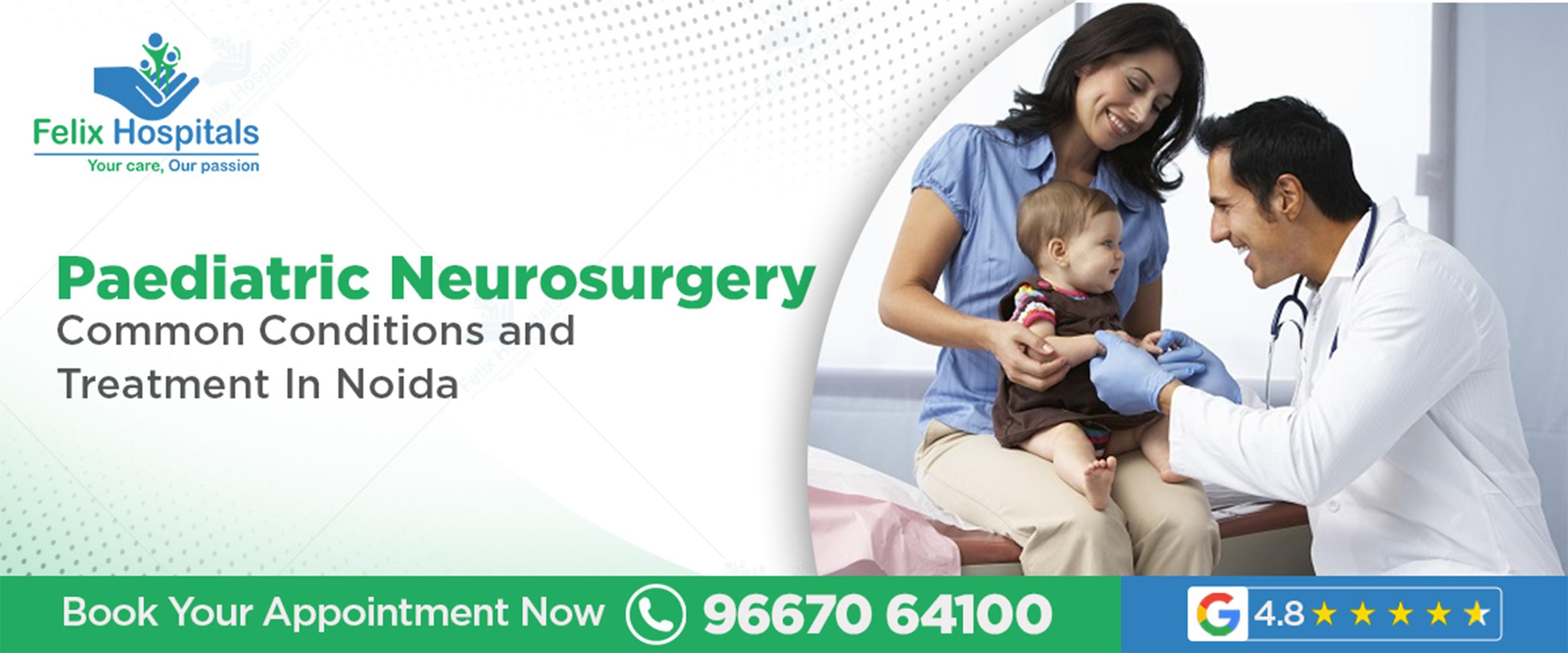
Paediatric neurosurgery is a specialty field within the medical specialisation and practise of diagnosis and surgical repair of diseases of the brain, the spinal cord, nerves, and the skull in young children, teenagers, and adolescents. The signs of neurological disorders in children are incomparable to those in adults since the nervous system of the child is underdeveloped. Even slight neurological disorders may have great effects on development, cognitive capacity, locomotion, and general living standards unless they were properly addressed.
The situation has changed, and currently, more high-quality paediatric neurosurgical treatment institutions are available to children, allowing their families to learn about modern tests, professional approaches, and child-centric surgery. Early diagnosis and cure on time are the main pillars of effective outcomes in paediatric neurosurgery.
Concerned about the neurological condition of your child? And do call the most approachable paediatric neurosurgeon in my area, dialling +91 9667064100.
The training of paediatric neurosurgeons is necessary to work with fragile neural structures in consideration of the brain development, skull formation, and long-term neurological activity. They also perform more than surgery and also diagnosis, planning of treatments, post operative care and follow-up. Certain warning signs for child needs neurosurgery include persistent headaches, seizures, delayed milestones, or abnormal head growth.
Children are biologically and neurobiologically different to adults. The growing brain is more responsive to any alterations in pressure, oxygen deficiency, and the abnormalities in the structure.
The major aspects that necessitate specialisation in paediatric neurosurgery are:
Quick intellectual development at infancy and early childhood.
Continuous working on motor and cognitive processes.
Greater threat of long-term effects of undiagnosed diseases.
Surgical solutions that are compatible with growth are required.
Having selected the most appropriate paediatric neurosurgeon in my area of residence, I will be assured that the decisions made on treatment focus not only on immediate safety but also on the future of the development.
There are several common paediatric neurosurgical conditions that may require surgical intervention depending on severity and progression.
These include:
Hydrocephalus
Congenital brain and emery defects.
Paediatric spinal tumour and brain tumour.
Traumatic brain and spinal diseases.
Medical resistant epilepsy.
Both of the conditions need to be approached depending on the age of the child, his/her symptom, and the neurological status.
Certain neurological disorders in children cannot be managed with medication alone and require surgical correction to prevent deterioration.
Examples include:
Neural tube defects and Spina bifida.
premature closure of skull bones (craniosynostosis)
Chiari malformation
Tethered spinal cord
Brain cysts with symptoms of pressure.
Permanent neurological damage may be avoided by early surgical intervention.
Hydrocephalus is one of the paediatric neurosurgical conditions that are highly treated. It is a situation where there is the presence of the cerebrospinal fluid within the brain, which elevates intracranial pressure
Common symptoms include:
Swift enlargement of the head of infants.
Vomiting and irritability
Developmental delays
Poor feeding
Visual problems and headaches in children of advanced age.
Surgical therapy is aimed at redistributing surplus fluid and safeguarding brain growth.
Paediatric brain tumours are unlike adult brain tumours in terms of type, behaviour and response to treatment. They can disrupt essential brain functions including movement, speech, capacity to see and hormone regulation.
Treatment goals will be:
Optimal and secure tumour resection.
Neurological functional preservation.
Quality of life and survival in the long run.
Congenital brain disorder surgery may be recommended to correct structural abnormalities and improve a child’s long-term development and quality of life.
Children can have spinal conditions which are either congenital or acquired and influence the posture, movement and nerve functions.
The typical spinal neurosurgical diseases are:
Spinal cord tumors
Tethered cord syndrome
Spinal injuries
Inborn spinal deformities.
Surgical correction of these disorders can avoid progressive weakness, dysfunction of the bladder, and chronic pain.
Trauma is one of the causes of neurosurgical emergencies in children. Neurological damage may be serious in falls, road accidents, and sports injuries.
Neurosurgical intervention may be necessary urgently in case a child develops:
Loss of consciousness
Seizures after injury
Skull fractures
Spinal cord compression
Paediatric neurosurgery is an emergency assessment that is lifesaving at a Noida hospital.
Parents often ask when a child needs neurosurgery. Surgical treatment is advised in case of the ineffectiveness of conservative treatment or in the case when the disease is dangerous to the functioning of the central nervous system.
A child might require neurosurgery in case:
Symptoms worsen over time
Increased pressure of the brain or the spinal cord.
Permanent nerve damage is a possibility.
The choice is arrived at after a lot of consideration and consultation with the family.
Before surgery planning, diagnosis is required. Paediatric neurosurgeons depend on the progressive diagnostic equipment.
Popular tests are:
Brain and spine MRI scans.
Bone and trauma CT scanning.
EEG for seizure disorders
Neurological and developmental tests.
The tests are beneficial to determine the precise cause and organise safe treatment.
A timely pediatric neurosurgery consultation helps ensure accurate diagnosis, expert guidance, and the best possible treatment plan for your child.
There are several treatment options in paediatric neurosurgery, depending on the child's condition and severity.
The treatment methods entail:
Minimally invasive neurosurgery.
Endoscopic procedures
Open corrective surgery
Hydrocephalus shunt placement.
Operational neurosurgery of epilepsy.
Every treatment plan will be tailor-made to result in the greatest good with the least harm.
One of the questions that commonly occur in the minds of parents is, is paediatric neurosurgery safe. Paediatric anaesthesia, state-of-the-art surgery, and no kiddie killers in intensive care units have made things much safer.
Safety measures include:
Good practice in child-specific anaesthesia.
Modern intraoperative monitoring.
Psychiatric intensive care services.
Experienced surgical teams
Selecting an established centre is very important when it comes to minimising risk.
The post-operative therapy is not inferior to surgery itself. Children need to be closely monitored and given rehabilitation to act and become strong.
Postop care can include and include:
Neurological observation
Pain management
Occupational therapy and physiotherapy.
Cognitive rehabilitation and speech.
This interdisciplinary treatment promotes the recovery of the long term.
Follow up programmes in children who have undergone neurosurgery may take a long time to follow up on growth and neurological development.
Regular follow-up helps:
Detect recurrence early
Observing learning and behaviour.
Alter rehabilitation techniques.
Promote social and academic enhancement.
With constant observation, the results will be long-term.
Delaying treatment for neurological conditions can lead to irreversible damage. Symptoms such as seizures, persistent headaches, abnormal head growth, or developmental delays should never be ignored. Early consultation improves prognosis and reduces long-term complications.
Get expert treatment at a trusted paediatric neurosurgery hospital in Noida. Call +91 9667064100 to book a specialist consultation today.
Paediatric neurosurgery plays a crucial role in diagnosing and treating complex neurological conditions that affect a child’s brain, spine, and nervous system. Understanding what is paediatric neurosurgery, recognizing common paediatric neurosurgical conditions, and knowing when a child needs neurosurgery allows parents to seek timely and appropriate care. With advanced treatment options in paediatric neurosurgery, improved safety standards, and experienced specialists, children in Noida have access to high-quality neurological care. Parents are also encouraged to consult the best pediatricians in noida for early evaluation and referral to a paediatric neurosurgeon when needed. Early intervention, expert surgical management, and structured long-term follow-up together ensure the best possible neurological outcomes and a healthier future for children.
It treats infants, children, and adolescents up to 18 years.
Risks are minimized with experienced surgeons and modern technology.
Recovery depends on the condition and type of surgery performed.
Many conditions can be corrected or well managed with early care.
If a child shows seizures, delayed milestones, or neurological symptoms.
Dr. Prabhat Kumar is a pediatrician and neonatology specialist with over 9 years of experience, recognized among the Best Pediatricians in Noida. He specializes in infectious diseases, general pediatrics, and child growth and development, providing trusted care for childhood illnesses, immunizations, neonatal care, and teenage health concerns.
Pediatric rheumatology focuses on diagnosing and treating autoimmune and inflammatory disorders affecting children’s joints, muscles, and connective tissues.
During sleep, the body releases growth hormones, which are essential for a child's growth and development. Adequate sleep is vital for muscle development, tissue growth, and the overall physical health of a child.
Our team of pediatric professionals is committed to offering expert care and guidance on sleep-related issues. If you’re looking for a pediatric doctor near me, our experienced specialists are ready to assist.
Pediatric Intensive Care Unit (PICU): Expert care for critically ill or injured children requiring constant monitoring and advanced life support. Our specialized team ensures round-the-clock treatment in a safe, child-friendly environment.

Subscribe to our
© Copyright 2026. All Rights Reserved by Felix Healthcare Private Limited
Design and development by :


 +(91)9667064100
 Emergency : +(91)9667064100