 Emergency:
  WhatsApp

Subscribe to our

Children develop and grow rapidly, and even minor health issues can escalate if not addressed on time. Parents often wonder whether a symptom is normal or if it requires medical attention. Understanding when to seek professional care ensures better health outcomes and prevents complications. With rising infections, seasonal changes, and school exposure, children face a variety of health challenges that require timely care. This is why many parents choose to book pediatrician appointment in Noida whenever they notice unusual symptoms or behavior.
This blog highlights the eight most common reasons to visit a pediatrician in Noida, helping parents make informed decisions and prioritize their child’s well-being. Whether it’s fever, cough, rashes, or growth delays, early medical attention at a reliable child hospital in Noida plays a crucial role in ensuring a child’s long-term health.
Fever is one of the most important pediatric consultation reasons. While mild fever is often manageable at home, a temperature that is:
Above 102°F
Lasts more than 48–72 hours
Comes with vomiting, rashes, or lethargy requires immediate medical attention. Persistent fever may indicate infections like tonsillitis, pneumonia, dengue, flu, UTI, or typhoid. Infants, especially under six months, need urgent evaluation even for mild fever.
Seasonal infections are extremely common among children. However, certain symptoms signal the need for a pediatric visit:
Constant cough lasting over two weeks
Noisy or wheezy breathing
Difficulty breathing between words
Flaring nostrils or chest retractions
These may indicate asthma, bronchiolitis, bacterial infections, allergies, or pollution-induced respiratory issues. Delayed care can lead to complications, making timely diagnosis essential.
Stomach issues are also common pediatric health problems, especially during changing weather or after eating contaminated food.
However, if your child has:
Continuous vomiting
Frequent loose stools
Dry mouth
Sunken eyes
Reduced urination
Unusual lethargy
…it suggests dehydration. Immediate pediatric assessment helps prevent electrolyte imbalance and weakness.
Not all rashes are harmless. Some require urgent pediatric care, such as:
Rash with fever
Rapidly spreading red spots
Itchy, swollen patches
Allergic reactions to food, insect bites, or medication
Skin infections in children spread faster due to sensitive skin. A pediatrician ensures proper diagnosis and relief.
Parents often worry about eating habits and growth. A pediatrician visit is important if your child has:
Poor appetite for more than a week
Sudden weight loss
Slow or stunted growth
Delays in height or developmental milestones
These may indicate nutritional deficiencies, digestive issues, hormonal imbalance, or chronic infection. Regular growth tracking ensures healthy development.
Children commonly experience ENT-related infections. Warning signs include:
Persistent ear pain
Ear discharge
Difficulty swallowing
Frequent sore throat
Sudden hearing issues
Untreated infections can lead to hearing loss, sleep difficulties, and difficulty concentrating in school. Timely pediatric evaluation ensures proper treatment.
Parents should visit a pediatrician whenever they notice changes such as:
Hyperactivity or attention issues
Delayed speech
Learning difficulties
Sudden mood swings
Sleep disturbances
Early detection of developmental or behavioral concerns leads to better long-term outcomes. Pediatricians may recommend further assessment by child specialists or therapists if needed.
Regular vaccinations protect children from life-threatening diseases. Pediatricians ensure timely doses for:
Polio
MMR
Hepatitis
Pneumococcal
Rotavirus
Influenza
Chickenpox
Routine check-ups also help monitor growth, immunity, and early signs of illness. Regular visits build a complete health record, ensuring preventive care throughout childhood.
Understanding when to take your child to a pediatrician helps prevent complications and ensures faster recovery. Whether your child is experiencing fever, breathing problems, rashes, stomach issues, or developmental concerns, timely care makes all the difference. Parents should never ignore persistent symptoms or unusual behavior changes. When in doubt, it’s always safer to book pediatrician appointment in Noida and let a trained specialist evaluate the condition. Choosing a trusted child hospital in Noida ensures advanced pediatric care, accurate diagnosis, and expert support for your child’s health needs.
Q1. What symptoms tell me that I should take my child to a pediatrician immediately?
A: High fever, breathing difficulty, vomiting, rash with fever, or unusual sleepiness require urgent evaluation.
Q2. How do I know if my child’s cold or cough needs medical attention?
A: If the cough lasts more than two weeks, affects sleep, or comes with fast breathing or wheezing, visit a doctor.
Q3. When should I worry about my child’s eating habits or growth?
A: If your child shows poor appetite for more than a week, loses weight, or shows slow growth, a pediatric check-up is needed.
Q4. Are skin rashes always serious?
A: Not always, but rashes with fever, swelling, rapid spread, or itching need a pediatrician’s assessment.
Q5. How often should my child have routine pediatric visits?
A: At least once every 6–12 months, or more frequently for infants and children with medical conditions.
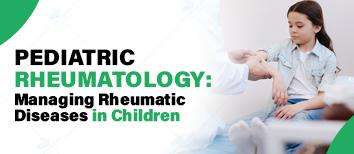
Pediatric rheumatology focuses on diagnosing and treating autoimmune and inflammatory disorders affecting children’s joints, muscles, and connective tissues.
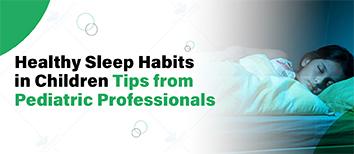
During sleep, the body releases growth hormones, which are essential for a child's growth and development. Adequate sleep is vital for muscle development, tissue growth, and the overall physical health of a child.
Our team of pediatric professionals is committed to offering expert care and guidance on sleep-related issues. If you’re looking for a pediatric doctor near me, our experienced specialists are ready to assist.
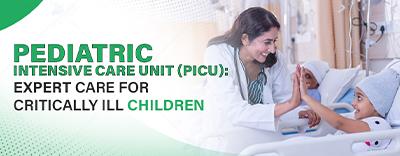
Pediatric Intensive Care Unit (PICU): Expert care for critically ill or injured children requiring constant monitoring and advanced life support. Our specialized team ensures round-the-clock treatment in a safe, child-friendly environment.


Subscribe to our
© Copyright 2026. All Rights Reserved by Felix Healthcare Private Limited
Design and development by :


 +(91)9667064100
 Emergency : +(91)9667064100