 Emergency:
  WhatsApp

Subscribe to our
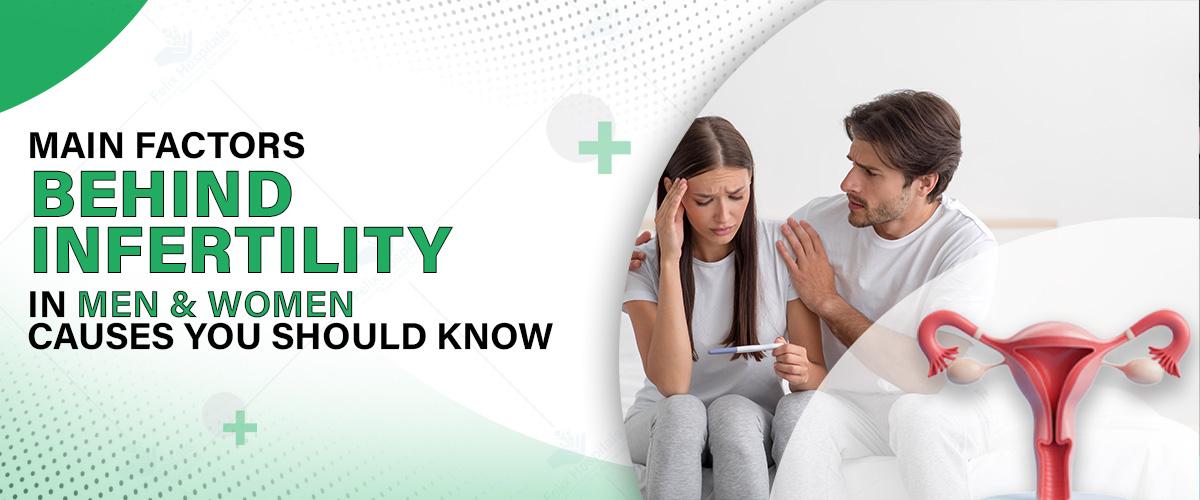
Millions of couples worldwide are grappling with infertility, an emotionally charged and rapidly spreading condition. Infertility is defined as the inability to conceive naturally after 12 months of regular, unprotected intercourse. We now know that infertility affects both men and women nearly equally, despite the earlier belief that it was a female issue. Indeed, research indicates that male factors account for approximately 40–50% of all cases of infertility. While its emotional and psychological cost, the positive news is that most causes of infertility are now treatable with modern medicine.
Whether you are just starting out to conquer fertility or have been trying for a while now, understanding the primary reasons for infertility can enable you to make the right choices. For others who need motivation and specialized advice, a visit to the best gynecology hospital in Noida can be a stepping stone toward a customized treatment plan.
Are you struggling to conceive? Book a consultation at a reputable hospital in Noida by calling +91 9667064100.
Infertility is medically a condition of not being able to conceive after 12 months of consistent, unprotected sex. In women over the age of 35, this period is usually shortened to six months, since age has an impact on fertility. Infertility may either be primary (when the couple has never conceived) or secondary (when there has been at least one previous pregnancy, irrespective of whether it was successful or not).
Infertility can be caused by a wide array of issues with the female or male reproductive system, or both. The intricacy of the human reproduction process such that slight interferences in hormones, anatomy, or sperm/egg quality can affect a couple's chances of having a baby.
Female infertility may be brought on by a myriad of problems that involve ovulation, the integrity of the reproductive organs, or the capacity to carry a pregnancy to term. The most common offenders are:
Ovulation Disorders: Conditions like PCOS (Polycystic Ovary Syndrome), hypothalamic amenorrhea, or hyperprolactinemia can lead to insufficient or irregular ovulation. These hormonal imbalances interfere with the normal release of eggs from the ovaries.
Fallopian Tube Damage or Blockage: The fallopian tubes are necessary for sperm and egg to mingle. Any damage from infections (such as pelvic inflammatory disease), previous surgery, or an ectopic pregnancy can hinder fertilization.
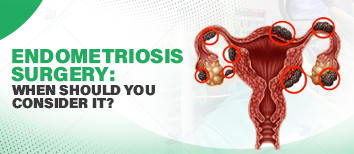
Endometriosis: This disease results in tissue similar in composition to the lining of the uterus developing outside the uterus, usually creating inflammation, scarring, and altered pelvic anatomy.
Uterine or Cervical Abnormalities: Inborn problems, such as a septate uterus, or problems developed after birth, such as uterine fibroids and polyps, may prevent implantation or lead to habitual miscarriage.
Age-Related Decline in Egg Quality: With advancing age, the number of eggs available diminishes, as does their quality, resulting in diminished fertility and an elevated risk of chromosomal abnormalities.
For an in-depth overview of male and female fertility problems, check out this guide on reasons for infertility in men and women.
Male infertility is underappreciated but no less essential to assess. The primary causes are normally related to sperm production, functioning, or delivery problems. They include:
Low Sperm Count (Oligospermia): A lower count of sperm in semen greatly reduces the possibility of fertilization.
Poor Sperm Motility: Even when sperm count is normal, sperm need to swim well in order to get to the egg. Weak or slow-moving sperm frequently do not make it to the target.
Abnormal Sperm Morphology: Abnormally shaped sperm cannot penetrate the outer covering of the egg.
Varicocele: Dilated veins in the scrotum can damage sperm quality and diminish testicular function.
Ejaculation Disorders: Retrograde ejaculation (where semen enters the bladder rather than leaving the body), premature ejaculation, or erectile dysfunction can all affect fertility.
Infections and STDs: Chlamydia, gonorrhea, or mumps can irreparably damage the reproductive organs.
Testicular Trauma or Surgery: Previous injuries, undescended testes, or surgeries such as hernia repair can hamper sperm production.
Hormones control virtually all aspects of reproduction. Hormonal disturbances in both men and women can result in subfertility or infertility:
In Women: Disturbances in estrogen, progesterone, luteinizing hormone (LH), and follicle-stimulating hormone (FSH) may inhibit ovulation, thicken the uterine lining, or induce luteal phase defects.
In Men: Decreased testosterone, FSH, and LH levels may cause decreased sperm production, inadequate libido, and erectile dysfunction.
Thyroid disorders—both hypothyroidism and hyperthyroidism—can also adversely affect fertility by disrupting hormone regulation and metabolism.
Age continues to be among the most influential factors affecting fertility:
Women: Fertility peaks during the early 20s and gradually reduces after the age of 30, and falls sharply after the age of 35. At the age of 40, the likelihood of conception is much lower due to reduced egg quantity and quality.
Men: Although men are able to remain fertile for longer, sperm quality decreases with age. Increased age is linked with a higher incidence of sperm DNA fragmentation, which can impact the quality of the embryo and predispose to miscarriage.
Increased rates of infertility are due to modern lifestyles. Some of the most important reasons for infertility among women and men due to everyday habits and lifestyle choices include:
Smoking: Decreases sperm quality and causes premature menopause in females.
Alcohol and Drug Consumption: Deteriorates hormone secretion and health of eggs/sperm.
Poor Nutrition and Obesity: Causes hormonal imbalance and insulin resistance, both of which affect fertility.
Excessive Exercise or Inactive Lifestyle: Intense exercise or inactivity can disrupt ovulation and testosterone production.
Stress and Worry: Continual stress impacts the hypothalamus, inhibiting ovulation and sperm production.
Sleep Deprivation: Sleep controls hormones such as melatonin and cortisol, both of which influence reproductive health.
Some of the risk factors are:
Pesticides and Herbicides: These are endocrine disruptors that can get in the way of hormone balance.
Heavy Metals: Lead, cadmium, and mercury are harmful to reproductive organs.
Industrial Chemicals: Phthalates and bisphenol A (BPA) decrease sperm count and disrupt ovulation.
Radiation or High Heat: Regular exposure (e.g., to computers or hot tubs) can lower sperm quality.
Individuals who work in factories, agriculture, or with radiological equipment are possibly at greater risk and should take cautionary steps.
Some chronic or acute medical conditions can cause infertility in both men and women:
Diabetes: Affects hormone levels and can lead to erectile dysfunction.
Thyroid Disorders: Disrupt ovulation, menstruation, and metabolism.
Autoimmune Diseases: Conditions such as lupus have the potential to destroy reproductive tissues or hinder implantation.
STIs and Pelvic Infections: Untreated infection may lead to scarring or obstructions within reproductive tracts.
Early diagnosis and treatment of the above conditions are essential in restoring fertility.
Genetic issues could also be the cause of infertility. Examples include:
Klinefelter Syndrome (Men): Extra X chromosome (XXY), resulting in low testosterone and inadequate sperm production.
Turner Syndrome (Women): Impacts ovarian function and results in premature ovarian failure.
Y Chromosome Microdeletions: Insignificant deletions can significantly affect sperm development.
Cystic Fibrosis Gene Mutations: Can result in congenital absence of the vas deferens in men.
Advanced genetic testing can reveal these occult causes and inform treatment decisions.
Some medications can inadvertently affect fertility. These are:
Chemotherapy and Radiation: May destroy reproductive tissue.
Antidepressants and Antipsychotics: May reduce libido or affect hormone levels.
Blood Pressure Drugs: Some beta-blockers or calcium channel blockers may impair ejaculation or sperm motility.
NSAIDs and Steroids: Prolonged use can affect ovulation and testosterone levels.
Before starting or stopping any long-term medication, speak with your doctor—especially if you’re planning to conceive. For advanced care options, explore men and women infertility treatment in Noida for specialized consultations.
You might want to visit a fertility specialist if:
You've been attempting to get pregnant for more than 12 months (or 6 months if you're older than 35)
You have missing or irregular periods
You've had repeated miscarriages
You, or your partner, has known medical conditions like PCOS, endometriosis, varicocele, or thyroid disease
There's a family history of reproductive issues or STIs
You, or your partner, are receiving cancer treatment or have had surgery on reproductive organs
Pre-marital consultation can greatly enhance the prospect of success by identifying conditions that can be treated early and making advanced fertility treatments like IUI, IVF, or ICSI available. Top hospitals in Noida provide detailed fertility evaluations and customized treatment solutions to enable your way to parenthood.
Schedule a consultation at Felix Hospitals to achieve your dream of becoming a parent.
Infertility is a complex condition affected by many biological, environmental, and lifestyle aspects. From hormonal disorders to age, genetics, or medical conditions, learning the primary causes of infertility in men and women can lead couples to the proper diagnosis and treatment. Remember that infertility is not a life sentence, with proper advice, many couples successfully establish joyful, healthy families.
If you're having trouble or experiencing difficulties conceiving, please consider seeking assistance without delay. Early diagnosis and professional treatment by a reputable hospital in Noida can prove to be a turning point. From proper diagnosis to cutting-edge treatment and counseling, acting today can help take you one step closer to the realization of your parenthood dream.
Get the best male infertility treatment in Noida with expert specialists and advanced techniques for successful conception.
Q1. What are the most common causes of infertility in men and women?
Ans: In females, the usual etiologies are ovulation disorders, fallopian tube blockage, and endometriosis. In males, low sperm count, lack of motility, or hormonal imbalances are usual.
Q2. From what age does the fertility of men and women begin to decline?
Ans: Female fertility decreases after the age of 30 and declines sharply after the age of 35. Male fertility also declines gradually, typically after the age of 40.
Q3. Do lifestyle modifications help increase fertility naturally?
Ans: Yes, quitting smoking, eating a balanced diet, exercising moderately, and reducing stress can help improve fertility in both men and women.
Q4. When should a couple see a fertility specialist?
Ans: Couples under 35 should seek help after 12 months of trying; over 35, after 6 months. Earlier if there are known health issues.
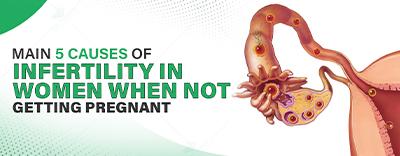
Facing trouble conceiving? This article highlights the main 5 causes of infertility in women, including hormonal imbalances, PCOS, endometriosis, blocked fallopian tubes, and age-related factors.
Hormones are the chemicals that regulate various bodily functions in both men and women.


Subscribe to our
© Copyright 2026. All Rights Reserved by Felix Healthcare Private Limited
Design and development by :


 +(91)9667064100
 Emergency : +(91)9667064100