 Emergency:
  WhatsApp

Subscribe to our
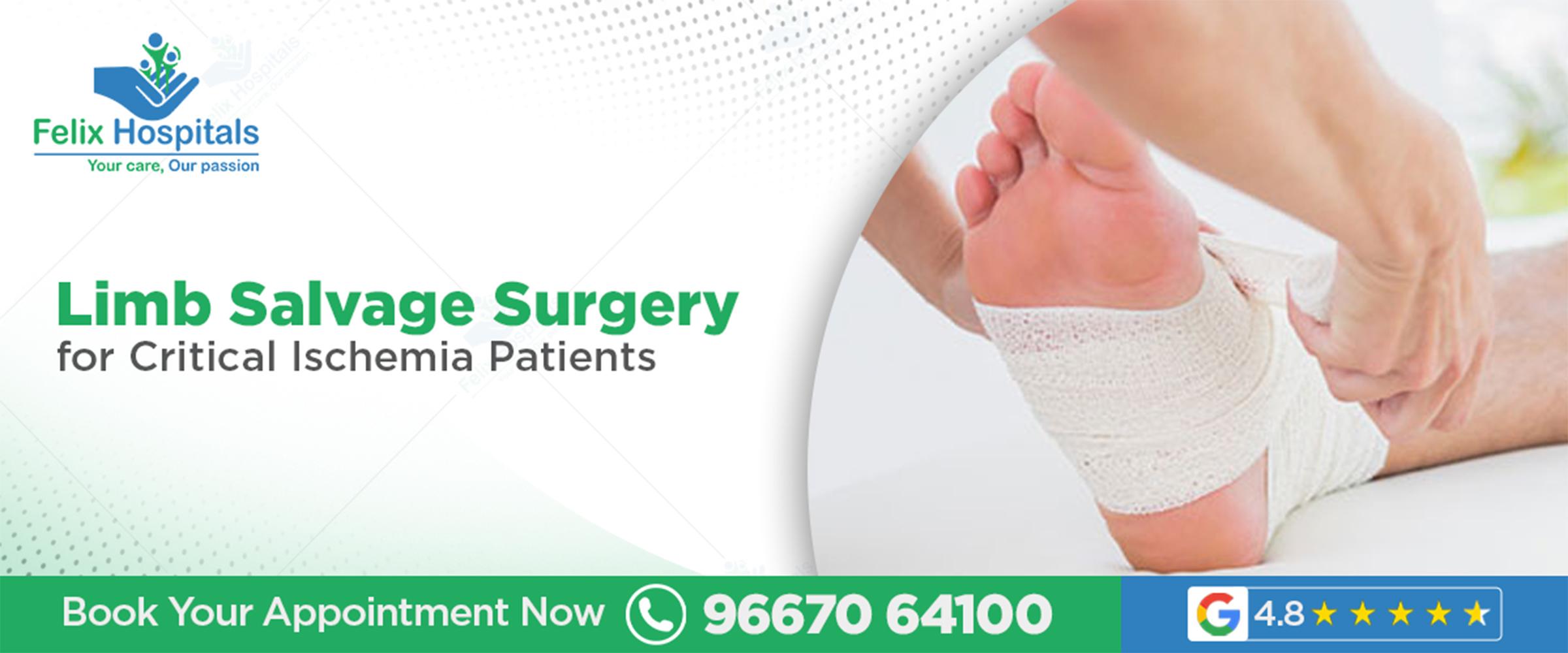
Critical limb ischemia (CLI) is the most severe form of peripheral arterial disease and represents a medical emergency that threatens both limb and life. It occurs when blood flow to the limbs—most commonly the legs—is severely reduced due to advanced arterial blockage. Without timely intervention, critical ischemia can rapidly progress to tissue death, infection, and ultimately amputation. Limb salvage surgery has emerged as a crucial treatment approach that aims to restore blood flow, heal wounds, relieve pain, and preserve the affected limb.
With advanced vascular care facilities available today, patients seeking treatment at the Best Vascular Surgery Hospital in Noida can access modern limb salvage techniques that significantly improve outcomes and quality of life.
Facing severe leg pain or non-healing wounds? Consult the best vascular surgeon in Noida today. Call +91 9667064100.
Critical limb ischemia is the advanced stage of peripheral artery disease where the blood supply to the limb is insufficient even at rest. Unlike early-stage circulation problems, CLI causes persistent symptoms and poses an immediate risk of limb loss.
Key features of critical limb ischemia include:
Severe rest pain in the legs or feet
Non-healing ulcers or wounds
Gangrene or tissue discoloration
Coldness and numbness in the limb
Early diagnosis and intervention are essential to prevent irreversible damage.
What Is Limb Salvage Surgery for Critical Ischemia? It refers to a group of advanced surgical and endovascular procedures designed to restore blood flow to the affected limb and prevent amputation. The primary goal is to save the limb by improving circulation, promoting wound healing, and relieving ischemic pain.
Limb salvage surgery focuses on:
Revascularization of blocked arteries
Removal of dead or infected tissue
Preservation of limb function
Avoidance of major amputation
Each procedure is tailored based on the severity of ischemia and patient health.
Critical ischemia usually develops due to long-standing vascular disease that narrows or blocks arteries supplying blood to the limbs.
Common causes include:
Atherosclerosis (plaque buildup in arteries)
Long-standing diabetes
Smoking-related vascular damage
High blood pressure
Chronic kidney disease
These factors compromise blood flow and increase the risk of limb-threatening ischemia.
Surgery is recommended when conservative treatment fails or when the limb is at immediate risk of amputation.
Indications for limb salvage surgery include:
Persistent rest pain lasting more than two weeks
Non-healing ulcers despite wound care
Signs of tissue death or gangrene
Progressive worsening of blood flow
Timely surgical intervention significantly improves the chance of saving the limb.
Before planning surgery, vascular specialists perform a thorough diagnostic evaluation to assess blood flow and tissue viability.
Common diagnostic tests include:
Doppler ultrasound
CT angiography
MR angiography
Digital subtraction angiography
These tests help identify the exact location and severity of arterial blockages.
Limb salvage surgery includes multiple techniques depending on the extent of vascular disease.
Common procedures include:
Angioplasty and stenting
Bypass surgery
Endarterectomy
Thrombolysis
Hybrid procedures combining open and minimally invasive techniques
The choice of procedure depends on anatomy, blockage length, and patient condition.
The Benefits of Limb Salvage Surgery in Critical Limb Ischemia (CLI) extend beyond limb preservation and significantly improve overall health outcomes.
Key benefits include:
Prevention of major amputation
Improved blood circulation
Relief from chronic ischemic pain
Faster wound healing
Improved mobility and independence
Preserving the limb also reduces psychological trauma and long-term disability.
Successful limb salvage requires collaboration between vascular surgeons, wound care specialists, diabetologists, and rehabilitation experts.
This integrated approach ensures:
Optimal blood flow restoration
Infection control
Effective wound healing
Long-term limb protection
Multidisciplinary care is a key factor in high limb salvage success rates.
Recovery After Limb Salvage Surgery for Ischemia Patients varies depending on the procedure and severity of disease.
Recovery typically involves:
Hospital stay for monitoring
Pain management
Wound care and dressing changes
Gradual return to mobility
Physical therapy support
Strict follow-up is essential to ensure healing and prevent recurrence.
Post-surgical lifestyle changes play a critical role in maintaining long-term results.
Patients are advised to:
Quit smoking completely
Manage blood sugar levels
Control blood pressure and cholesterol
Follow a vascular-friendly diet
Maintain regular physical activity
These measures reduce the risk of future arterial blockages.
Like all surgical procedures, there are Risks & Complications of Limb Salvage Surgery in CLI, though benefits often outweigh risks in critical cases.
Possible risks include:
Bleeding
Re-blockage of arteries
Delayed wound healing
Need for repeat procedures
Choosing an experienced vascular team minimizes complications.
With timely intervention and proper follow-up, many patients experience long-term limb preservation and improved quality of life.
Long-term success depends on:
Severity of ischemia
Control of underlying risk factors
Adherence to medical advice
Regular vascular check-ups
Early treatment leads to better functional outcomes.
The Cost of Limb Salvage Surgery for Critical Ischemia Patients in Noida varies based on the type of procedure, hospital infrastructure, and complexity of the condition.
Factors affecting cost include:
Diagnostic investigations
Surgical technique used
Hospital stay duration
Post-operative care
Compared to lifelong disability costs, limb salvage surgery is often a cost-effective solution.
Selecting the Best Vascular Surgery Hospital in Noida ensures access to advanced diagnostics, skilled surgeons, and comprehensive post-operative care.
Key factors to consider:
Experience in limb salvage procedures
Availability of endovascular and open surgery options
Dedicated wound care facilities
Emergency vascular services
Expert care directly impacts limb preservation success.
Patients should seek urgent care if they experience:
Sudden worsening of leg pain
Blackening of toes or foot
Non-healing wounds
Signs of infection
Delaying treatment can result in irreversible limb damage.
Get advanced treatment at the Best Vascular Surgery Hospital in Noida. Call +91 9667064100 to book your vascular consultation now.
Limb salvage surgery plays a life-changing role for patients suffering from critical limb ischemia. Understanding what is limb salvage surgery for critical ischemia, recognizing when critical ischemia patients need limb salvage surgery, and being aware of the benefits of limb salvage surgery in CLI empowers patients to seek timely care. While there are risks & complications of limb salvage surgery in CLI, advancements in vascular surgery have made limb preservation safer and more effective than ever. With expert care from the Best Vascular Surgeon in Noida, along with structured recovery and lifestyle modification, patients can avoid amputation and regain mobility, independence, and quality of life.
Q. 1 Can limb salvage surgery completely prevent amputation?
Ans. In many cases, early intervention successfully avoids major amputation.
Q. 2 Is limb salvage surgery painful?
Ans. Pain is well managed with modern anesthesia and post-operative care.
Q. 3 How long does recovery take after limb salvage surgery?
Ans. Recovery varies from weeks to months depending on disease severity.
Q. 4 Is limb salvage surgery suitable for diabetic patients?
Ans. Yes, especially when combined with strict diabetes control.
Q. 5 When should CLI patients consult a vascular surgeon?
Ans. Immediately upon experiencing rest pain or non-healing ulcers.
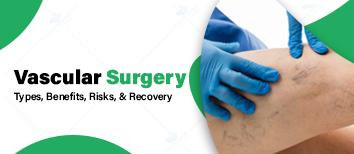
By working closely with experienced vascular surgeons and following their guidance, patients can achieve positive outcomes and enjoy a better quality of life.
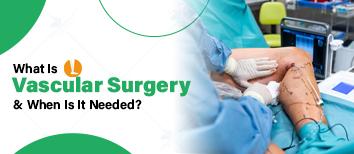
Vascular surgery involves surgical procedures designed to treat disorders of the vascular system.
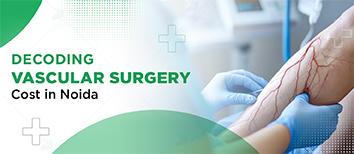
Vascular surgery is an essential procedure to treat circulatory system issues, but its cost can be a concern for many patients. Understanding the factors that influence the cost, finding ways to reduce expenses, and choosing the right hospital for it.


Subscribe to our
© Copyright 2026. All Rights Reserved by Felix Healthcare Private Limited
Design and development by :


 +(91)9667064100
 Emergency : +(91)9667064100