 Emergency:
  WhatsApp


Subscribe to our
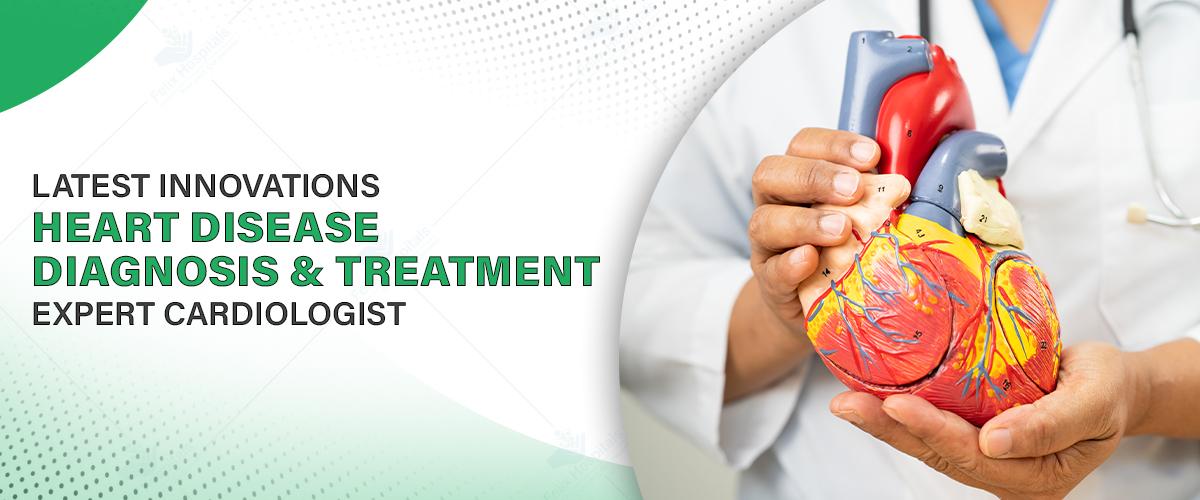
The outlook of cardiovascular medicine is experiencing a remarkable Changes, with game-changing innovations for transform how we diagnose, treat, and prevent heart disease & treatment approaches. As one of the most significant contributors to mortality globally, cardiovascular conditions require the most advanced medical technologies available. Medical innovations today are not only enhancing patient outcomes—they're revolutionizing the very practice of cardiac care.
From artificial intelligence-driven diagnostics to precision medicine that is tailored based on individual genetic profile, cardiology is witnessing unprecedented advancements that hold out new hope to millions of patients. For patients who need the proper cardiac care, consulting a heart specialist at the best Heart Hospital in Noida ensures access to such high level of technologies and treatment protocols that are transforming cardiovascular medicine.
Ready to experience the complete and proper heart care? Schedule your consultation today by calling +91 9667064100.
At the present day the cardiac diagnostics have gone beyond the traditional methods, utilizing advanced technologies that offer data beyond comparison regarding cardiac health. These advanced diagnostic methods are:
Three-dimensional echocardiography- Creates high-definition images of the heart, allowing physicians to examine complex structural flaws with unprecedented accuracy
Cardiac magnetic resonance imaging (MRI)- Provides improved tissue characterization, enabling early detection of potentially occult disease
Computed tomography angiography- Offers high-resolution coronary artery views without the invasive catheterization methods
Molecular imaging- Uses specialized tracers to detect cellular-level alterations that occur before structural damage is detectable
These imaging modalities induce minimal discomfort to the patient and provide better diagnostic information compared to conventional methods. This technique facilitates earliest detection of heart disease & treatment needs, when intervention is most effective.
Heart surgery has changed a lot lately. Honestly, it's pretty amazing what doctors can do now compared to even five years ago. The focus seems to be on being more precise while making things easier on patients.
TAVR (Transcatheter aortic valve replacement) has been huge. Instead of cracking someone's chest open - which sounds as brutal as it is - they can actually replace a heart valve by going through a blood vessel. Recovery time drops from weeks to days. My neighbor had this done last year and was back to gardening within a week.
Stem cell therapy is where things get really interesting, though it's still experimental. The idea is using your own cells to actually repair heart muscle that got damaged. Some early trials show people's hearts working better afterward, which is wild since we used to think damaged heart muscle was just done for good.
Artificial intelligence is transforming all aspects of cardiac medicine, ranging from treatment planning and diagnosis to prediction of outcome. Its most significant applications are:
Pattern recognition in imaging - Computer algorithms read huge databases of cardiac imaging and recognize patterns which maybe slip past human observers.
Risk assessment tools - computer programs examine several patient parameters simultaneously and provide customized risk profiles to guide treatment.
Predictive analytics - Help identify patients at risk of cardiac events before they occur, enabling preventive measures.
They take into account genetic data, lifestyle, medical history, and contemporaneous physiological information to develop combined health evaluations. This preventive approach is an exciting paradigm shift from reactive to preventive management of the cardiovascular system.
Minimally invasive cardiac surgery has transformed patient experience and outcomes for many cardiovascular conditions. Some of the key advancements are:
New stent technologies - Drug-eluting stents release drugs locally to prevent re-blockage, significantly increasing long-term success rates
Catheter-based valve procedures - Provide alternatives to open surgery for those patients who are not ideal candidates for traditional methods
Percutaneous coronary intervention - Use newer techniques with improved vessel support and reduced risk of restenosis
These techniques allow the treatment of severe valve conditions with the use of minimal incisions, greatly reducing procedures' risks and recovery times. Specialist treatment for those in need is available by consulting the best cardiologist in Noida, providing access to these emerging minimally invasive technologies aimed at prioritizing patient comfort and achieving the best outcomes.
Precision medicine is changing how we treat heart conditions by tailoring care to each person's unique profile. This approach covers several key areas:
Pharmacogenomics- Helps figure out which medications and dosages work best based on someone's genetic differences.
Personalized treatment protocols- Look at many patient factors together to create treatment plans that actually make sense for that individual.
Biomarker-guided therapy- Uses specific molecular signals to see how well treatment is working and make changes when needed.
This personalized strategy gets away from the old "same treatment for everyone" approach, giving people better results with fewer unwanted effects based on their particular circumstances.
Consumer wearables have become advanced medical monitoring systems able to identify cardiac abnormalities in real time. They encompass:
Electrocardiogram characteristics - The new smartwatches are able to identify atrial fibrillation and other rhythm disorders with no specific exercise
Continuous monitoring systems - Provide unmatched insight into heart health trends, detecting subtle changes that can signal emerging problems
Remote monitoring features - Enable healthcare professionals to monitor patient progress at any given time, thereby making necessary treatment plan adjustments
These devices enable treatment at an early stage before complications become significant, possibly preventing heart attacks and other cardiac emergencies and providing instant feedback to alarming changes in cardiac function.
Top cardiovascular experts stress that the future care for the heart will involve integration of several novel strategies:
Combination therapies - Utilize both drug- and device-based therapies, exhibiting greater outcomes than unimodality therapies
Telemedicine innovation - Provides access to superior cardiac care regardless of where one is
New drug targets - Science keeps advancing in lowering inflammation, metabolic fine-tuning, and cellular repair mechanisms
This integrated approach proves particularly effective for chronic cardiovascular disease follow-up care and monitoring, management of the etiologic causes of heart disease.
New imaging technologies provide unparalleled information about cardiac structure and function:
Four-dimensional flow MRI - Shows real-time visualization of blood flow patterns and reveals hemodynamic abnormalities that static images miss
AI-enhanced imaging analysis - Cuts down diagnostic errors while speeding up result delivery times
Portable imaging devices - Bring advanced cardiac assessment capabilities to different clinical settings
These systems can identify subtle abnormalities that might get overlooked during standard image review, boosting diagnostic accuracy significantly from emergency departments to remote locations.
Genetic screening is becoming more important in heart disease risk assessment and prevention approaches:
Comprehensive genetic panels - These tests identify inherited conditions that make individuals more likely to develop specific heart problems
Polygenic risk scores - This method combines information from multiple genetic variations to create personalized risk assessments
Family screening programs - These identify family members at risk for inherited heart conditions
These genetic tools help find people who would benefit from intensive preventive measures even when they have normal traditional risk factors, allowing early intervention before symptoms appear.
New drug approaches are targeting previously untreatable aspects of cardiovascular disease:
PCSK9 inhibitors - Offer dramatic reduction in cholesterol in patients not responding to standard statin treatment
SGLT2 inhibitors - Originally developed to treat diabetes, demonstrate strong cardiovascular effects
Anti-inflammatory treatments - Address the inflammatory component of atherosclerosis, potentially delaying disease development
These medications decrease hospitalization due to heart failure and cardiovascular death in a wide population by mechanisms not traditional.
Don't wait until symptoms get the better of you. Book your appointment today and find out how these treatments for manage your cardiovascular health and well-being.
The period of cardiovascular medicine has started, with extraordinary potential for treat diagnosis, treatment, and prevention. These technologies are more than a question of technological advancement—they are genuine hope for millions of cardiovascular patients worldwide. From artificial intelligence-driven diagnostics to precision medicine approaches, today's technologies empower healthcare providers with abilities unimaginable just a few years ago. As these technologies continue to advance and become increasingly affordable, patients can look forward to increasingly better outcomes and quality-of-wellness improvements.
For those in need of cardiovascular treatment, knowledge of heart disease treatment costs within the context of such advanced technology enables informed decision-making in pursuing the most appropriate and effective treatments possible. The investment in advanced cardiac care today can pay priceless dividends in future health and longevity.
Q1: How accurate are AI-based systems for diagnosing heart disease compared to traditional methods?
Ans: Artificial intelligence diagnostic programs typically are 90-95% accurate, and in certain cases, they outperform human interpretation, especially in recognizing subtle pattern changes in cardiac imaging that are not always picked up by regular analysis.
Q2: Are the new heart procedures included in insurance policies?
Ans: Coverage varies with insurance provider and treatment type. Less recently created procedures like TAVR are more likely to be covered, but always call your insurance company before having the procedure.
Q3: How long is the recovery time for minimally invasive heart surgery?
Ans: All minimally invasive procedures require 1-3 days in the hospital and 1-2 weeks to recover from, whereas open-heart surgery requires 6-8 weeks.
Q4: Are there age limits to having these new heart surgeries?
Ans: Age in itself is not typically a limiting factor. Treatment eligibility is more a matter of overall health status, underlying cardiac condition, and expected improvement in quality of life.
Over time, this restricted blood flow can lead to serious issues like coronary artery disease, heart attack, or heart failure.

Subscribe to our
© Copyright 2026. All Rights Reserved by Felix Healthcare Private Limited
Design and development by :


 +(91)9667064100
 Emergency : +(91)9667064100