 Emergency:
  WhatsApp

Subscribe to our
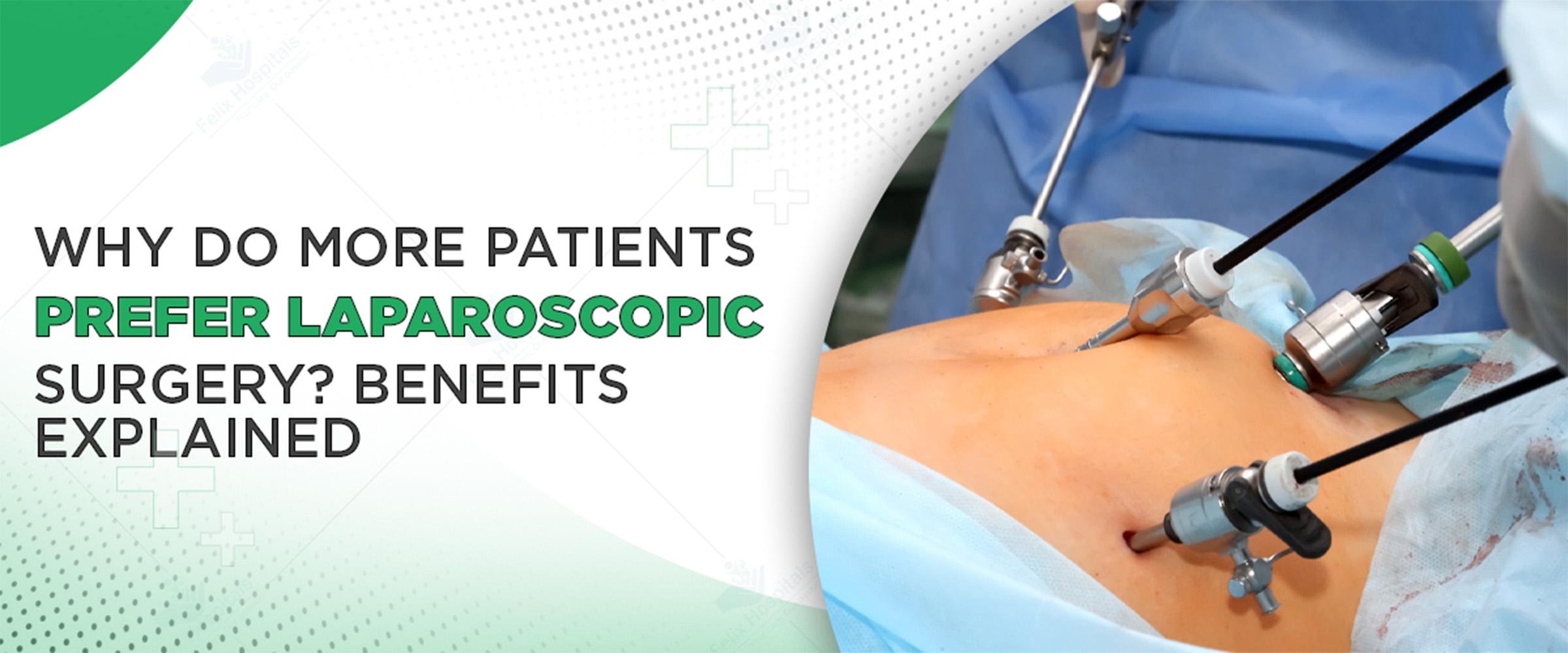
Most of you would want to know why patients prefer laparoscopic surgery rather than open surgery. It is because it hurts less, leaves smaller scars, heals faster, has a lower risk of infection, and works better for many problems. Laparoscopic techniques are becoming more popular because of new technology and a focus on the patient. Laparoscopic surgery is now the standard for treating gallbladder, hernia, and appendix problems around the world.
Think about a patient who has been told they have gallstones, a hernia, or appendicitis. If they need surgery, they have two choices: traditional open surgery or modern laparoscopic surgery which uses a camera, small cuts, and thin tools to let the surgeon see better and cause less disruption. Laparoscopic surgery hospitals in Noida are becoming more popular around the world because they are more comfortable, leave less scarring, and allow patients to get back to their normal lives faster.
Say goodbye to long hospital stays. Switch to laparoscopic treatment now at Felix Hospital — call +91 9667064100.
This traditional technique requires a large incision, giving the surgeon direct visual and manual access to the abdominal organs. It has its drawbacks, however, as the involved eye has a prolonged healing time, significant pain and a significant risk of infection.
Also referred to as minimally invasive surgery; this involves the insertion of small incisions that are 0.5 to 1.5 cm in length. Surgeons use a laparoscope and special instruments to see the space on monitors and perform the operation. It is frequently used to manage a wide gamut of gastrointestinal diseases, such as gallstones, appendicitis, hernias, obstructions of the bowel, hiatal hernias and reflux. The main benefit people consider is that laparoscopic surgery is less painful than open surgery.
You are basically starting with rudimentary diagnostics, and it has now grown into incredibly complex treatment, including the removal of the gallbladder, primary colorectal cancer. It has become more widespread globally, thanks to technological advances and the experience of surgeons.
Smaller scars: Laparoscopic surgery makes only tiny cuts, usually a few millimeters. . This improves body image and self-esteem, which is especially important for younger or working patients.
Less Pain and Fewer Discomforts: Less harm to muscles and nerves means that after surgery you have less discomfort and can use fewer painkillers.
Shorter recovery: It can take weeks to recover from open surgery, but patients may be able to return to their normal activities within days. Hospital stays are briefer, sometimes a day or two nights
Less likely to get an infection: Smaller wounds heal faster and are less likely to let bacteria in, which greatly lowers the risk of complications like wound infection.
Accuracy & Technology: With high-definition cameras and 3D imaging, surgeons can see better, in other words, cut accurately, causing the least amount of damage.
Better Outcome: For surgeries such as gallbladder removal, hernia repair and anti-reflux surgery use of laparoscopic techniques result in less complications, faster recovery, and better surgical success.
These are the main reasons to choose laparoscopic surgery considered by most of the patients
Cost Elements: Laparoscopic surgery is initially more expensive because of the equipment, but is generally more cost effective long-term because it reduces hospital stays and the time to recover.
Criteria | Open Surgery | Laparoscopic Surgery |
Incision Size | Large (5–15 cm) | Small (0.5–1.5 cm) |
Pain Levels | High | Low |
Recovery Time | Weeks | Days to 2 weeks |
Hospital Stay Duration | 5–10 days | 1–3 days |
Risk of Complications | Higher: infection, bleeding | Lower: wound, organ |
Cost-Effectiveness | Lower upfront | Higher upfront, cheaper long-term |
Long-term Outcomes | More adhesions, hernias | Fewer chronic issues |
Patient Satisfaction | Moderate | High |
Patients increasingly opt for the laparoscopic route because it means less pain, quick return to work, minimal scars, and better overall satisfaction.
Don’t delay! Explore the benefits of minimally invasive surgery with Felix’s experts. Call us now at +91 9667064100.
Laparoscopic Surgery is remarkable for its comfort, early recovery, and improved safety & it opens up new horizons in surgical patient care. With the development of technology and expertise, minimally invasive options with quality of life as their priority can be offered to patients. Visit the best laparoscopic surgeon in Noida for a surgery with better, safer healing, an easier recovery and a faster return to everyday life – a new age in patient-friendly care.
Ques. Is laparoscopic surgery feasible in elderly patients?
Ans. Yes, for common conditions, although it depends on the case.
Ques. What’s the cost difference?
Ans. Laparoscopic surgery is often more expensive up front with savings from shorter hospital stay and faster recovery.
Ques. Is it possible to carry out laparoscopic surgery for any GI organ?
Ans. Not necessarily —complex cancer or severe adhesions may necessitate open surgery.
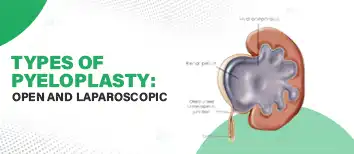
Learn about open and laparoscopic pyeloplasty, their benefits, and when they’re used to treat kidney blockage.
Laparoscopic surgery is a minimally invasive procedure with small cuts, offering quicker recovery, less pain, and minimal scarring.


Subscribe to our
© Copyright 2026. All Rights Reserved by Felix Healthcare Private Limited
Design and development by :


 +(91)9667064100
 Emergency : +(91)9667064100