 Emergency:
  WhatsApp

Subscribe to our
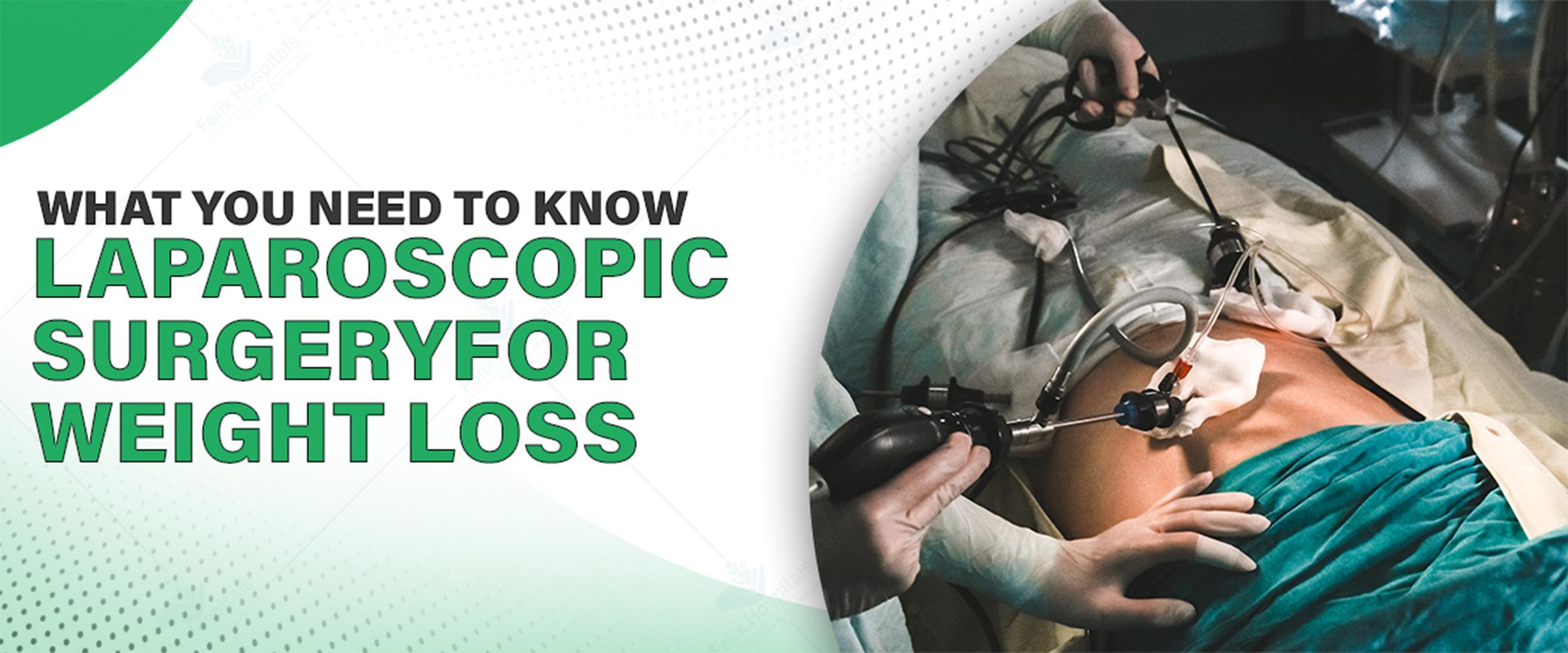
For those dealing with obesity, losing weight is a battle at times. If lifestyle modification, diet regimens, and exercise routines do not produce sustainable results, something more might be needed. Among the most powerful and least invasive treatments currently being offered is Laparoscopic bariatric procedure. The surgery has changed the lives of countless individuals around the globe by enabling them to achieve healthy, sustainable weight loss while reducing recovery time.
In this post, we're going in-depth about what laparoscopic weight loss surgery entails, who it's for, and how it aids in the management of obesity-related diseases. Whether you're looking at getting the procedure or are just curious, here's all you should know. For expert consultation or to book an appointment, call +(91) 9667064100 and speak with our bariatric specialists today.
Laparoscopic obesity surgery is a form of bariatric surgery done through small cuts and a camera known as a laparoscope. In contrast to open surgery, this method reduces pain, hastens recovery, and decreases the risk of complications. The main aim is to change the digestive system in a manner that restricts food absorption and/or nutrient intake, eventually leading to considerable weight loss.
Laparoscopic bariatric procedure can be of a few different types, such as:
Sleeve Gastrectomy: Most of the stomach is excised, leaving a banana-shaped area. It suppresses hunger and food volume.
Gastric Bypass (Roux-en-Y): The stomach is separated into a small pouch and directly linked to the small intestine, skipping a big section of the digestive system.
Biliopancreatic Diversion with Duodenal Switch (BPD/DS): A blend of stomach reduction and intestinal bypass that limits consumption and absorption.
SIPS (Stomach Intestinal Pylorus Sparing Surgery): A less aggressive form of the duodenal switch designed to lower complications.
Obesity is more than just a matter of extra weight—it is typically associated with a range of serious health issues including:
Type 2 Diabetes
Hypertension (High Blood Pressure)
High Cholesterol
Joint Pain and Osteoarthritis
Non-Alcoholic Fatty Liver Disease (NAFLD)
Increased Risk of Certain Cancers
For those with a Body Mass Index (BMI) of 40 or higher—or 35 with existing obesity-related conditions—bariatric surgery is usually the best long-term option. When such conditions start interfering with your quality of life or placing you at risk for life-threatening complications, it's time to consider possibilities such as the laparoscopic bariatric operation.
Laparoscopic bariatric surgery includes placing surgical instruments and a scope within the abdominal space through small incisions. The surgery can make your stomach smaller, bypass part of the intestine, or both. This limits the amount of food you can consume and how many calories your body absorbs. The surgery also affects hunger and satiety hormones, which help control your appetite and metabolism.
Since it's minimally invasive, patients generally have:
Less post-op pain
Shorter hospital stays
Sooner recovery time
Less risk of infection and complications
Preparation and Evaluation Prior to Surgery
You will have a complete evaluation before you are approved, which includes:
Physical examination and medical history
Blood work and imaging
Psychological evaluation
Nutritional therapy
Smoking and alcohol cessation (if necessary)
Your medical team will also suggest a pre-operative short-term diet to minimize liver size and enhance the safety of the procedure.
After surgery, your life is affected in many different ways. Your diet will go through a variety of stages beginning with liquids, progressing to pureed foods, followed by soft solids, and finally back to normal meals. You will be instructed to take smaller meals to fit your smaller stomach. You will need to emphasize foods that are nutrient-dense and high in protein in order to facilitate healing and provide energy. Vitamins and mineral supplements prescribed by your doctor will also be instructed for you to take every day since your body can absorb fewer nutrients following surgery.
To avoid complications and ensure steady progress, you’ll need to stay away from sugary, fatty, or processed foods. Regular follow-ups with your healthcare provider will be essential to monitor your nutritional health, track weight loss progress, and manage any potential complications that may arise along the way.
When performed by the best doctor for laparoscopic surgery, this weight loss solution can offer incredible benefits:
1. Significant Weight Loss
Most patients lose 50–70% of their excess weight in 1–2 years following the operation.
2. Improvement or Resolution of Comorbidities
Conditions such as diabetes, hypertension, and sleep apnea usually improve or even remit.
3. Increased Mobility and Energy
Less weight equals less wear and tear on your joints and more energy for your daily life.
4. Psychological and Emotional Boost
Most patients experience enhanced self-esteem, confidence, and quality of life.
Similar to all surgeries, bariatric surgery is not without some risk. Possible complications may be: Bleeding or infection, Nutrient deficiencies, Gallstones from too-quick weight loss, bloating, gas, or diarrhea. With appropriate medical care and aftercare, most of these side effects are effectively manageable.
Most people lose 50–80% of their excess weight, depending on the procedure type. The average for:
Gastric sleeve: 50–70%
Gastric bypass: 60–75%
Duodenal switch: up to 80%
The weight loss process continues over 12–24 months after surgery, with ongoing support and checks to maintain success.
Follow-up regularly to monitor your progress and check for vitamin or mineral deficiencies. Patients are also recommended to:
Participate in nutritional counseling
Take supplements
Maintain moderate physical activity
Do not consume alcohol and smoke
Adhere to mental health support programs if necessary
These measures ensure that your transformation is not only physical but sustainable and holistic.
Patients who are fighting obesity can go to Felix hospital as it has the best Doctor for laparoscopic surgery. The hospital has a team of dedicated specialists, full care, state-of-the-art equipment, and individualized treatment plans that prioritize long-term health benefits. The patients enjoy the use of minimally invasive procedures that aid in quicker recovery and less complication. If you're considering weight loss surgery in a caring and high-tech setting, Felix is an excellent option.
If you've fought obesity and feel that you've tried every diet and exercise regimen with no long-term success, it might be time to explore surgery. Laparoscopic bariatric procedure is safe, effective, and customized to assist you not only in losing weight—but in gaining a healthier, richer life.
If you’re unsure where to begin, schedule a consultation with an experienced bariatric surgeon. With the right support and planning, your weight loss journey can move from frustration to success.
Q 1. Is laparoscopic obesity surgery more painful than open surgery?
Ans: Most patients experience less pain and faster recovery with laparoscopic techniques.
Q 2. When can I go back to work after having a laparoscopic bariatric procedure?
Ans: Most people return to light work in 1–2 weeks, depending on your occupation.
Q 3.What's the difference between gastric sleeve and gastric bypass laparoscopically?
Ans: Gastric sleeve takes out part of the stomach, bypass diverts the intestine—both done laparoscopically.
Q 4.Does scarring occur after laparoscopic bariatric surgery?
Ans: Scars are minimal—usually small incisions concealed close to the belly button or waistline.
Dr. Ritesh Agrawal is an experienced surgeon in noida specializing in both open and minimally invasive laparoscopic procedures.
Single-Incision Laparoscopic Cholecystectomy is a minimally invasive gallbladder removal surgery done through one cut, offering quicker recovery and minimal scarring, with some surgical risks.


Subscribe to our
© Copyright 2026. All Rights Reserved by Felix Healthcare Private Limited
Design and development by :


 +(91)9667064100
 Emergency : +(91)9667064100