 Emergency:
  WhatsApp




Subscribe to our

Knee pain while walking is one of the most common orthopedic complaints affecting people across all age groups. From mild discomfort during long walks to sharp pain while climbing stairs, knee pain can significantly limit mobility and quality of life. In a growing urban population like Noida, sedentary lifestyles, obesity, sports injuries, and age-related joint degeneration are leading contributors to knee-related problems. Understanding the underlying cause is the first step toward effective treatment and long-term joint health.
Persistent knee pain needs expert evaluation before it worsens. Call +91 9667064100 to consult an orthopedic specialist in Noida.
The knee is a complex joint made up of bones, cartilage, ligaments, tendons, and muscles that work together to support body weight and movement. Pain can originate from any of these structures. Pain in the knee joint while walking often indicates mechanical stress, inflammation, or structural damage that worsens with movement and load-bearing.
Ignoring knee pain can lead to progressive joint damage, chronic disability, and reduced independence.
One of the most common chronic knee pain causes, osteoarthritis results from gradual cartilage wear. As cartilage thins, bones rub against each other, causing pain, stiffness, and swelling—especially during walking or standing.
Meniscal tears often occur due to twisting movements or sudden stops. They commonly cause sharp knee pain when walking, particularly on uneven surfaces or when changing direction.
Injuries to the ACL, MCL, or PCL can cause instability and pain. These injuries are common in sports and accidents and often make walking difficult.
This condition causes pain around the kneecap and is frequently seen in young adults and athletes. Knee pain when bending and walking is a classic symptom.
Inflammation of knee tendons, such as patellar tendinitis, leads to pain during movement and after prolonged activity.
Pain that worsens while climbing stairs usually indicates patellofemoral joint issues or cartilage damage. Stair climbing places additional stress on the knee joint, revealing problems that may not be obvious during flat walking.
Cartilage degeneration
Weak thigh muscles
Malalignment of the kneecap
Experiencing knee pain while walking long distances often points toward overuse injuries, early arthritis, or muscle imbalance. Prolonged activity increases joint load, leading to inflammation and fatigue-related pain.
Obesity
Poor footwear
Flat feet or abnormal gait
Lack of muscle conditioning
Sudden or sharp knee pain when walking is usually associated with acute injury or mechanical obstruction within the joint.
Meniscal tear
Loose cartilage fragments
Ligament strain
Stress fractures
Sharp pain should never be ignored, especially if it affects balance or weight-bearing ability.
Pain that occurs both during movement and at rest may indicate inflammation or advanced joint disease. Knee pain at night and when walking is commonly seen in:
Advanced osteoarthritis
Rheumatoid arthritis
Infections or inflammatory joint disorders
Night pain is considered a red flag and requires prompt orthopedic evaluation.
Pain during bending suggests involvement of the kneecap or cartilage surfaces. Squatting, sitting, or rising from a chair may worsen discomfort. This pattern is common in:
Patellar tracking disorders
Chondromalacia patella
Early degenerative changes
Accurate diagnosis is essential for effective treatment. An orthopedic evaluation typically includes:
Assessment of gait, range of motion, joint stability, swelling, and tenderness.
X-rays to detect arthritis or bone issues
MRI for ligament, meniscus, and cartilage injuries
CT scans in complex cases
Used when inflammatory or infectious causes are suspected.
Early diagnosis prevents progression and helps preserve joint function.
Seek immediate medical attention if:
Pain persists beyond a few days
Swelling or stiffness increases
Knee locks or gives way
Walking becomes difficult
Pain interferes with sleep
Consulting the Best orthopedic surgeon in Noida ensures accurate diagnosis and timely management.
Treatment depends on the cause, severity, and patient lifestyle.
Non-Surgical Treatments
Pain-relieving and anti-inflammatory medications
Physiotherapy for strength and flexibility
Weight management
Knee braces or supports
Lifestyle modifications
Surgery may be recommended for severe damage or failed conservative care. Options include:
Arthroscopic surgery
Ligament reconstruction
Partial or total knee replacement
Advanced orthopedic care available at the Best orthopedic hospital in Noida ensures safer procedures and faster recovery.
Preventive measures include:
Maintaining a healthy weight
Regular strengthening exercises
Using supportive footwear
Avoiding sudden overuse
Correcting posture and walking patterns
Early lifestyle changes significantly reduce long-term joint damage.
Accurate diagnosis leads to faster recovery and better outcomes. Call +91 9667064100 to book an appointment at a leading orthopedic hospital in Noida.
Knee pain when walking is not just an inconvenience—it is often a sign of underlying joint problems that need attention. Whether it’s mild discomfort during long walks or sharp pain while climbing stairs, timely diagnosis and proper treatment are crucial. With expert orthopedic Hospital available in Noida, patients can regain mobility, reduce pain, and prevent long-term complications. Early intervention remains the key to preserving knee health and maintaining an active lifestyle.
Q. 1. Is knee pain while walking always serious?
Ans. Not always, but persistent pain should be evaluated to rule out underlying conditions.
Q. 2. Can walking worsen knee arthritis?
Ans. Low-impact walking is beneficial, but excessive or improper walking may worsen symptoms.
Q. 3. Why does my knee hurt more after rest?
Ans. Stiffness after inactivity is common in arthritis and inflammatory conditions.
Q. 4. Can physiotherapy help knee pain?
Ans. Yes, physiotherapy strengthens muscles and improves joint stability.
Q. 5. When is surgery necessary for knee pain?
Ans. Surgery is considered when conservative treatments fail or joint damage is severe.
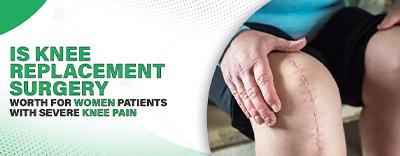
Knee replacement surgery can be a life-changing solution for women experiencing severe knee pain due to conditions like osteoarthritis.


Subscribe to our
© Copyright 2026. All Rights Reserved by Felix Healthcare Private Limited
Design and development by :


 +(91)9667064100
 Emergency : +(91)9667064100