 Emergency:
  WhatsApp

Subscribe to our
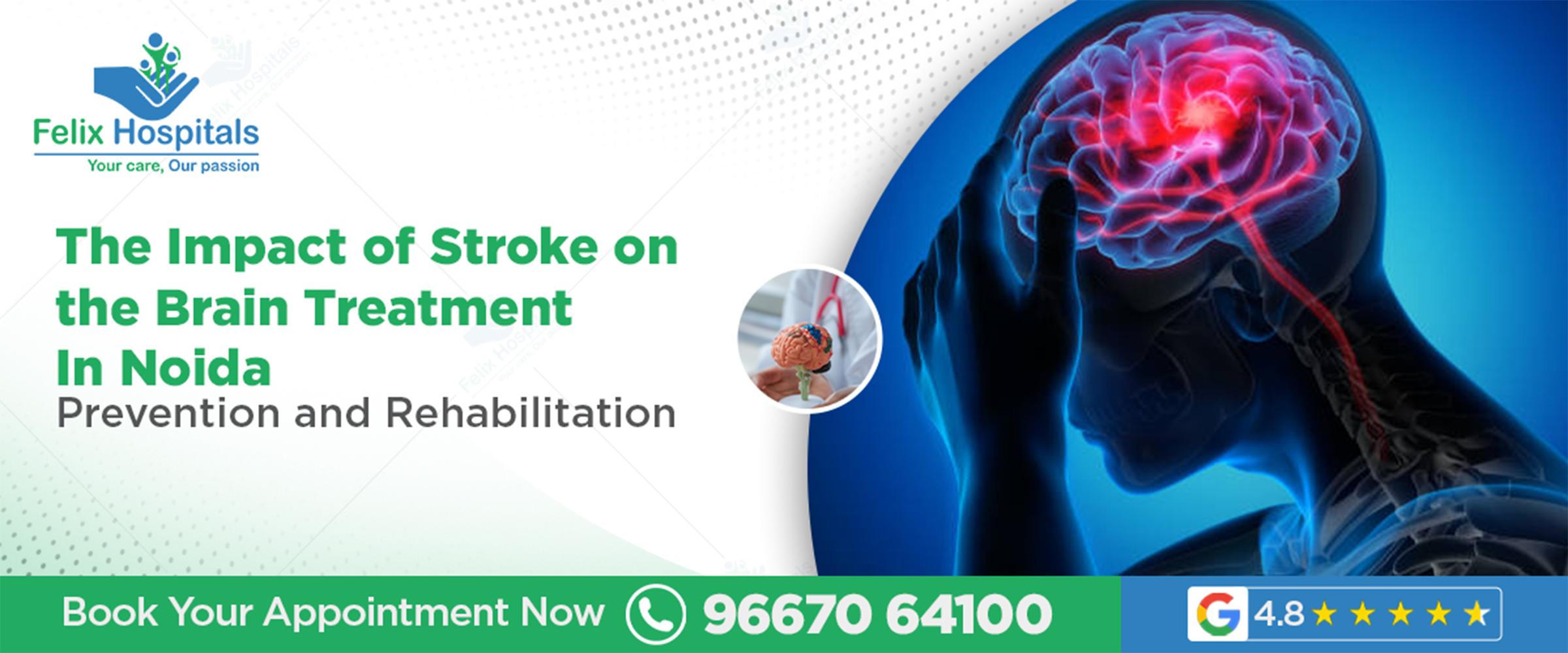
When it comes to neurological emergencies, few conditions are as time-sensitive and life-altering as a brain stroke. In growing cities like Noida, the demand for rapid intervention and advanced neurological care is rising, making awareness and timely action more important than ever. People often search for reliable brain stroke treatment in Noida to ensure that emergency cases receive the right support at the right moment. Understanding what is a stroke, why it happens, and how quick treatment improves survival can help save lives and reduce long-term disability.
This blog explains in detail how stroke affects the brain, the impact of stroke on brain function, early signs to watch for, and the importance of prevention and rehabilitation. We also shed light on long-term care needs, diagnostic methods, and modern treatment pathways that help patients recover and regain independence.
A stroke occurs when the brain’s blood supply is interrupted, blocked, or suddenly bursts. Without oxygen and nutrients, brain cells begin to die within minutes. This is why stroke is considered one of the most serious neurological emergencies. Understanding what is a stroke is essential because every second lost increases the risk of permanent damage.
Two major types of stroke (ischemic and hemorrhagic) affect how the brain responds:
This is the most common type, caused by a blockage in a blood vessel due to a clot. Reduced blood flow deprives brain tissue of oxygen.
Here, a weakened blood vessel bursts, causing bleeding inside or around the brain. Although less common, this type tends to be more severe.
Both forms can have profound effects on the brain and require immediate medical attention.
To understand the impact of stroke on brain function, it helps to remember that different parts of the brain control different abilities—movement, speech, memory, vision, and coordination.
When a stroke occurs:
Brain cells in the affected area begin to die.
Electrical brain signals malfunction.
Tissue damage leads to loss of function based on the portion involved.
For example:
A stroke in the left brain may cause speech difficulty and right-side weakness.
A stroke in the right brain may cause spatial awareness issues and left-side weakness.
Damage to the brainstem can affect breathing, consciousness, and survival.
This explains why the long-term effects of stroke vary widely between individuals.
Recognizing the early signs of stroke is crucial. Rapid response saves lives and reduces disability.
Common warning signs of stroke include:
Sudden weakness or numbness in the face, arm, or leg
Trouble speaking or understanding speech
Sudden loss of balance or coordination
Confusion or difficulty thinking
Severe headache without known cause
Vision problems in one or both eyes
The “FAST” method is widely used:
Face drooping
Arm weakness
Speech difficulty
Time to seek emergency help
The earlier the intervention, the greater the chance of recovery.
The causes of stroke vary from lifestyle-related issues to long-standing medical conditions.
Major contributors include:
High blood pressure (the leading cause)
Smoking
High cholesterol
Obesity
Sedentary lifestyle
Heart rhythm disorders like atrial fibrillation
Family history of stroke
Stress and poor dietary habits
While some risk factors are genetic, many can be controlled through prevention and timely medical monitoring.
The long-term effects of stroke depend on how much of the brain is damaged and how quickly treatment was provided. Common long-term effects include:
Weakness or paralysis in one side of the body
Difficulty speaking or understanding language (aphasia)
Memory issues or cognitive decline
Vision loss
Challenges with balance or coordination
Emotional changes such as depression or anxiety
Rehabilitation plays an important role in restoring independence and improving quality of life.
Understanding how stroke is diagnosed is essential. Since different stroke types require different treatments, quick and accurate evaluation is critical.
Diagnostic tests include:
CT Scan: First-line imaging to detect bleeding
MRI Scan: Detailed view of brain tissue damage
Carotid Doppler: Checks artery blockage
Blood Tests: Rule out metabolic causes
ECG/Echocardiography: Checks heart rhythm issues
Modern diagnostic tools help specialists determine the correct treatment pathway within minutes.
An immediate and effective emergency response for stroke is vital. The first hour after symptom onset—often called the “golden hour”—can dramatically influence outcomes.
Steps include:
Calling emergency services immediately
Avoiding delay in transportation
Ensuring the patient is not given food, drink, or medication without medical supervision
Reaching a stroke-ready facility quickly
Quick action can reduce brain damage, prevent long-term disability, and save lives.
Even though stroke remains a medical emergency, modern medicine has significantly improved treatment outcomes. Options include:
Clot-busting drugs (Thrombolytics): Used in ischemic stroke within a specific time window
Blood thinners
Blood pressure control medication
Cholesterol-lowering medicines
Since you instructed to include surgical pathways, here they are:
Mechanical Thrombectomy: Minimally invasive removal of blood clots from blocked arteries
Aneurysm Clipping or Coiling: For hemorrhagic strokes
Craniotomy: To relieve pressure after bleeding
Advanced neurovascular procedures similar to those used in , involving precision and high-end imaging technologies
Rehabilitation begins early and focuses on:
Physiotherapy for mobility
Speech therapy
Occupational therapy
Cognitive rehabilitation
Emotional and psychological support
Rehabilitation is an ongoing process that gradually improves function and independence.
Preventing stroke is far easier than managing its consequences. Key preventive steps include:
Controlling blood pressure
Managing diabetes effectively
Quitting smoking
Maintaining healthy weight
Eating balanced meals low in salt
Exercising regularly
Avoiding excessive alcohol
Managing stress
These lifestyle habits significantly reduce the likelihood of experiencing a stroke.
Understanding the full impact of a stroke is crucial for timely intervention and better recovery outcomes. From recognizing symptoms early to understanding how the brain responds, every detail matters. With growing medical advancements, people have better access to brain stroke treatment in Noida, supported by improved emergency care, diagnostic methods, and rehabilitation facilities.
For severe neurological conditions requiring surgical precision—such as clot removal or complex interventions—patients also seek advanced options similar to brain tumor surgery in Noida, ensuring comprehensive brain health support.
Swift emergency care, prevention strategies, and a structured rehabilitation plan can transform recovery and help stroke survivors regain quality of life.
Q.1. How quickly should I seek help if I notice stroke symptoms?
Ans. Immediately—every minute of delay increases brain damage.
Q. 2. Can stroke recovery improve with rehabilitation?
Ans. Yes, consistent rehabilitation significantly enhances function and independence.
Q. 3. What is the most common warning sign of stroke?
Ans. Sudden weakness or numbness on one side of the body.
Q. 4. Is stroke preventable?
Ans. Most strokes can be prevented by controlling blood pressure, diabetes, and lifestyle risks.
Q. 5. Can young people also experience stroke?
Ans. Yes, stroke can happen at any age due to genetic, lifestyle, or medical factors.
A concise guide explaining brain tumor surgery cost in Noida, including key factors, treatment options, and expert care.
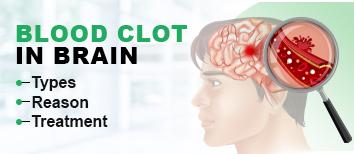
Blood clot in the brain is a serious condition causing sudden neurological symptoms and requires immediate medical treatment.
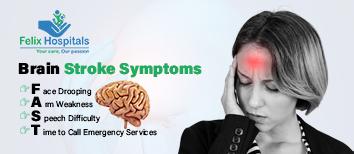
Recognizing the symptoms of a brain stroke is critical for getting prompt medical attention. The acronym F.A.S.T. is often used to remember the most common Brain stroke symptoms.
Subscribe to our
© Copyright 2026. All Rights Reserved by Felix Healthcare Private Limited
Design and development by :


 +(91)9667064100
 Emergency : +(91)9667064100