 Emergency:
  WhatsApp


Subscribe to our

Pregnancy is a critical period during which the body of a woman changes drastically in terms of hormones and metabolism to accommodate the growing baby. Thyroid disorders, and in particular, hypothyroidism are one among the numerous health conditions that may be experienced during pregnancy. The thyroid gland is necessary in maintaining metabolic rates, energy and balancing of hormones all of which are vital in a healthy pregnancy.
Thyroid diseases are not uncommon in women of child bearing age in India. It has been found out that about 2-3 % of pregnant women can experience hypothyroidism, but mild or sub-clinical cases are, probably, left undiagnosed. When a woman is pregnant, thyroid hormones play a crucial role in brain development of the baby and mostly during the first trimester when the fetus solely relies on the hormone supply of the mother.
Hypothyroidism may cause complications to the mother and the baby in case it is not addressed. A pregnancy thyroid test in Noida and consultation with the best gynecologist in Noida can help avert dangers at early stages and result in a healthy pregnancy process.
Feeling unusually tired, gaining excess weight, or noticing swelling during pregnancy? Don’t ignore these signs—thyroid imbalance can affect your baby’s development. Call +91 9667064100 to consult a specialist in Noida today.
Understanding hypothyroidism in pregnancy? is essential for early detection and proper care. Hypothyroidism is a condition, which develops as a result of insufficient production of thyroid hormones (T3 and T4) by the thyroid gland necessary in metabolic processes and fetal development.
The need of thyroid hormones in the body is very high during pregnancy. In case the thyroid gland is inept or incapable of fulfilling this, then it causes hypothyroidism. This disease may be preexisting or it may develop in pregnancy because of hormone changes.
The thyroid hormones are crucial in the development of the fetal nervous system and brain. During the early period of pregnancy, the fetus completely depends on thyroid hormones of the mother. Any shortcoming in this age may have an impact on intellectual growth of the baby.
Medical practices have suggested regular thyroid tests on high-risk pregnant women to detect and treat these diseases at an early age.
Recognizing the symptoms of hypothyroidism in pregnancy can be challenging because many symptoms overlap with normal pregnancy changes. Nevertheless, there is some evidence that there is a thyroid imbalance.
Excessive fatigue beyond normal pregnancy tiredness
Unexplained weight gain
Dry skin and hair
Sensitivity to cold
Swelling in the face or hands
Slow heart rate
The symptoms are experienced because of low rates of metabolism because of low levels of thyroid hormones. Indicatively, low energy metabolism is associated with fatigue and weight gain.
Pregnant women should inform their doctor about constant or unusual signs because when they are detected in good time, the complications are avoided.
Understanding the complications of untreated hypothyroidism highlights the importance of timely diagnosis and management.
Premature pregnancy or miscarriage.
Preterm delivery
Low birth weight
Retarded development of the infant.
Hypertension of the mother
Anemia
Scientific researches have proved that untreated hypothyroidism in pregnancy may have implications on the brain development of the baby especially during the first trimester. It can also predispose women to pregnancy related complications including preeclampsia.
These dangers can be greatly minimized by proper treatment and the results are much better to both the mother and the baby.
The diagnosis of hypothyroidism in pregnancy involves simple blood tests to measure thyroid hormone levels.
Test | Purpose |
TSH (Thyroid Stimulating Hormone) | primary screening test |
T3 and T4 levels | assess hormone levels |
thyroid antibodies | detect autoimmune thyroid disease |
TSH is the most sensitive indicator of thyroid function. During pregnancy, normal TSH ranges differ from non-pregnant individuals, making specialized interpretation important.
Early diagnosis allows for prompt treatment, which is crucial for preventing complications.
Pregnancy thyroid test in Noida is a measure that guarantees screening and correct diagnosis.
Quick and simple blood tests
Needed in the first trimester.
Monitoring during pregnancy might be necessary on a regular basis to modify treatment and control optimal hormone levels.
Following the diet and lifestyle tips for thyroid health can support thyroid function during pregnancy.
Eating dairy and iodized salt which are good sources of iodine.
Sufficient intake of selenium and iron.
Maintaining a balanced diet
Shunning too much processed food.
Managing stress levels
The thyroid hormone production depends on iodine especially. Pregnant women need to take more iodine as recommended by health guidelines to help in the development of the fetus.
Healthy lifestyle behaviors are co-morbid to medical care and enhance general well-being.
It is important to know when to visit a doctor in order to have a safe pregnancy outcome and early intervention.
Symptoms persist or worsen
Thyroid disorder history is present.
There are pregnancy complications
Abnormal weight gain occurs
Fatigue is excessive
Frequent prenatal examinations are used to observe the thyroid activity and listen to its proper treatment.
Hypothyroidism in pregnancy needs a lot of medical care.
Thyroid hormone replacement therapy (levothyroxine)
Periodic checking of the hormone level.
Dosage changes with progress of pregnancy.
This therapy is safe and effective when it is being used appropriately. Normal levels of thyroid are vital towards the health of the mother and the growth of the fetus.
Hypothyroidism can be put under control with simple lifestyle practices.
Following a routine schedule.
Ensuring adequate rest
Exercising as recommended.
Adhering to medical advice to the letter.
Regularity of these habits helps in pregnancy well being.
With the help of professional medical attention, hypothyroidism in pregnancy is safely managed.
Early detection
Individualized treatment programs.
Hormone level monitoring.
Complication prevention.
It is necessary to make regular follow-ups in order to make sure that both mother and baby are healthy.
Early testing and treatment can protect your baby’s development.
Call +91 9667064100 to consult a specialist in Noida now.
Pregnant hypothyroidism is a disease that can be treated well provided it is diagnosed early and managed properly. Understanding hypothyroidism in pregnancy?, recognizing the symptoms of hypothyroidism in pregnancy, and knowing when to see a doctor are essential for ensuring a healthy pregnancy.
Now that there is access to proper pregnancy thyroid tests in Noida and with the help of the most experienced thyroid treatment in Noida, women would be able to take proper care of the thyroid stuff and secure the growth of the baby. Early diagnosis, effective treatment and healthy life are the main pillars in a safe pregnancy journey.
Mild fatigue is common, but if it is persistent, severe, or accompanied by weight gain and swelling, it may indicate thyroid imbalance. A simple blood test can confirm this.
Yes, untreated hypothyroidism can affect your baby’s brain development and increase the risk of complications like low birth weight or premature birth.
In many cases, yes—especially if you have risk factors. Some women may not show clear symptoms, but early testing helps in safe pregnancy management.
Diet supports thyroid health, but medication is usually required to maintain proper hormone levels. Always follow your doctor’s advice.
Your doctor may recommend testing every 4–6 weeks to ensure hormone levels remain within the required range.
Dr. Yadav has 12+ years of experience and specializes in high-risk and twin pregnancies, ectopic pregnancy, and menstrual disorders.
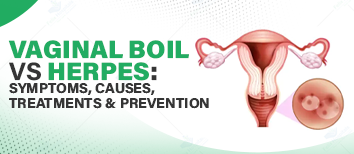
Vaginal boils and herpes both cause painful bumps in the genital area, but their causes and treatments are very different. Knowing the difference helps women choose the right treatment and prevent complications.


Subscribe to our
© Copyright 2026. All Rights Reserved by Felix Healthcare Private Limited
Design and development by :


 +(91)9667064100
 Emergency : +(91)9667064100