 Emergency:
  WhatsApp


Subscribe to our
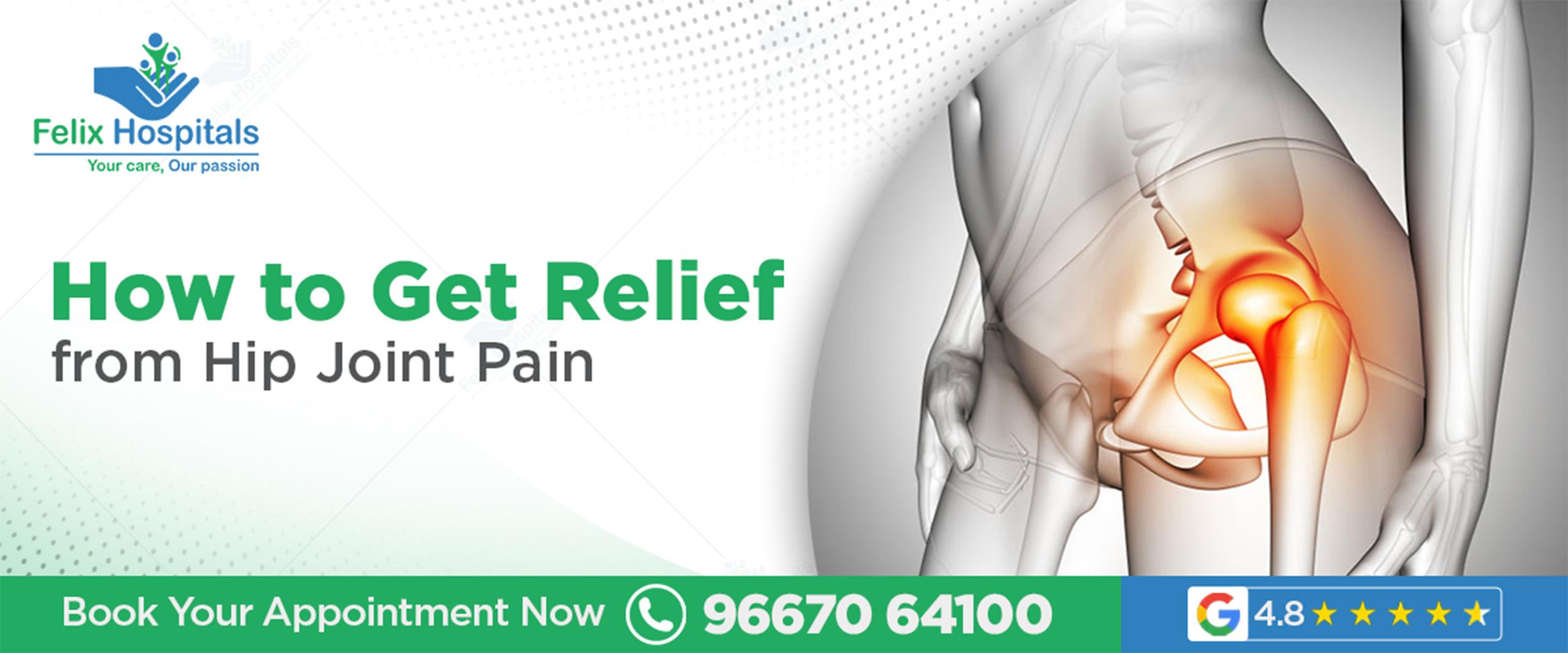
Adults, working people, and older people all have hip joint pain, which is one of the most common musculoskeletal problems. Many people who go to the Best Orthopedic Hospital in Noida don't pay attention to stiffness or mild pain at first. They only notice it when it starts to make it hard to walk, sleep, or do everyday tasks. The hip joint holds up the weight of the body and lets you do important things like stand, sit, climb stairs, and bend. When pain starts, it can quickly make it hard to move and enjoy life. The World Health Organization says that musculoskeletal disorders affect almost 1.71 billion people around the world. This means that joint pain is one of the main causes of disability around the world. Patients heal faster and avoid long-term problems when they know what causes, symptoms, treatments, exercises, and lifestyle changes.
Don't ignore the signs if hip pain is getting in the way of your daily life. To make an appointment for your consultation today, call +91 9667064100.
The hip is a ball-and-socket joint that connects the thigh bone to the pelvis. This lets the body move smoothly and flexibly. If cartilage, muscles, tendons, or bones are hurt, they can become inflamed, stiff, and painful. Many people think that hip pain is just a normal part of getting older, but it can happen to anyone at any age because of bad habits, bad posture, injuries, or arthritis. The Centers for Disease Control and Prevention say that 1 in 4 adults in the world has joint pain. This shows how common this condition has become.
Important things for patients to know:
The pain in your hip may come on slowly or quickly
It can come from muscles, nerves, cartilage, or bones
Getting treatment early makes it easier to move and recover
Not paying attention to symptoms could cause long-term damage to joints
Understanding What Causes Hip Joint Pain? helps patients spot risk factors early and take steps to avoid them. The hip joint carries the body's weight every day, which makes it easy for it to wear out over time.
Some common causes are:
Osteoarthritis and degeneration of cartilage
Strain of muscles or injury to ligaments
Inflammation of the tendons and bursitis in the hip
Nerve compression or sciatica
Fractures of the hip and injuries from sports
Being lazy and being overweight
Bad posture and sitting for long periods of time
According to the National Institutes of Health, osteoarthritis affects more than 32.5 million adults, and the hip joint is one of the most common areas that are affected.
Recognising Common Symptoms of Hip Joint Problems early can help avoid serious problems and trouble moving around. If not treated, symptoms usually get worse over time.
Early signs:
A little stiff in the morning
Pain when going up stairs
A click or pop sound in the hip
Trouble sitting with your legs crossed
More serious symptoms:
Pain in the groin or thigh that doesn't go away
Less movement in the joints
Walking with a limp
Pain that spreads to the lower back or knee
Signs of an emergency:
Pain that comes on suddenly
Can't bear weight
Redness or swelling around the joint
Fever and pain in the hip
According to research by the American Academy of Orthopaedic Surgeons, the risk of getting hip arthritis goes up by 25% after age 50.
A lot of people look for Home Remedies for Hip Joint Pain Relief to feel better naturally. These treatments work well in mild or early cases and work well with medical care.
Home remedies that work:
Warm compress to help muscles relax
Ice packs to bring down swelling
The right way to sit and sleep
Daily gentle stretching
Keeping your body weight in a healthy range
Wearing shoes that support you
Studies show that people with early arthritis can reduce joint stiffness by up to 30% with regular heat therapy.
Moving around regularly makes your joints more flexible and your muscles stronger. The Best Exercises for Hip Joint Pain help you regain flexibility and keep your joints from getting stiff.
Exercises that are good for you:
Hip bridges to make muscles stronger
Swimming and doing exercises in the water
Riding a bike and walking
Leg raises while sitting
Stretches for the hamstrings and hip flexors
Research shows that people with arthritis who do low-impact exercise have less joint pain, up to 40%.
When hip pain makes it hard to do everyday things, doctors may give you medications to help. Medications for Hip Pain Management helps with swelling and makes it easier to move around.
Common ways to treat it:
Drugs that reduce pain and swelling
Relaxants for muscles
Supplements of calcium and vitamin D
Injections to lubricate joints
Injections of corticosteroids
Studies in medicine show that anti-inflammatory drugs help with joint pain in 60–70% of patients.
Physiotherapy is very important for getting better and getting back to moving around after hip pain. Role of Physiotherapy in Hip Pain Relief makes muscles stronger and helps with posture.
Some of the benefits are:
Makes joints stronger and more flexible
Lessens pain without having to have surgery
Stops injuries from happening again
Helps with balance and posture
Helps you get better faster after treatment
Within 6 to 8 weeks, physiotherapy programs help 80% of patients move better.
Making Lifestyle Changes to Reduce Hip Joint Pain is very important for the long-term health of your joints.
Good habits for living a healthy life:
Keep your body weight at a healthy level
Don't sit for long periods of time
Use furniture that is good for your body
Put on shoes that support you
Keep moving around
Stop smoking
Losing just 5–10% of your body weight can lower the pressure on your joints by 30%.
Knowing When to See a Doctor for Hip Pain can help you avoid problems and disability. A lot of patients wait to see a doctor until their pain gets really bad.
If you see any of the following, talk to a specialist:
Pain that lasts longer than two weeks
Trouble standing or walking
Pain at night that keeps you awake
Less ability to move
Hurt after a fall or injury
Consulting with the best orthopedic doctor in noida or best ortho doctor in noida early on can help treatment work better and keep surgery from being needed in many cases.
Doctors do a lot of tests to find out exactly what is causing the pain.
Some ways to diagnose are:
A physical exam
X-ray pictures
Scans with MRI
Tests on blood
The best ortho doctor in noida will give you personalised treatment if you get the right diagnosis.
Most cases of hip pain get better on their own.
Treatments that don't involve surgery:
Programs for physiotherapy
Shots and medicine
Keeping your weight in check
Changing your way of life
Fixing activities
Studies indicate that 70–80% of hip pain cases show improvement with non-surgical intervention.
In very bad cases, surgery may be needed.
Common steps:
Arthroscopy of the hip
Resurfacing the hip
Full hip replacement
Fixing a broken bone
95% of modern hip replacement surgeries work.
The type of treatment and the health of the patient affect how well they recover.
Tips for getting better:
Stick to your physiotherapy plan
Don't lift heavy things at first
Eat a healthy diet
Slowly add more activity
Go to follow-up appointments on a regular basis
Most patients can go back to their normal activities within 6 to 12 weeks.
Preventing problems with your joints helps keep them healthy for a long time.
How to avoid problems:
Work out often
Keep your posture straight
Don't lift heavy things all of a sudden
Make your core muscles stronger
Eat a healthy diet
Regular exercise can cut the risk of joint pain by as much as 50%.
Get a professional diagnosis and advanced orthopaedic care from specialists who have been doing this for a long time. Call a doctor now at +91 9667064100 to start your road to recovery.
Hip joint pain may start out as mild stiffness, but if you don't do anything about it, it can turn into a serious mobility issue. Patients can make timely decisions and avoid complications by learning about the causes, symptoms, treatment options, exercises, and ways to prevent them. Getting care means getting a diagnosis early, getting better treatment, and getting better faster. Patients who see the best Orthopedic doctor in Noida or the best ortho doctor in noida can get treatment plans that are tailored to their needs. These plans can include physiotherapy, medications, lifestyle changes, and modern surgical techniques when necessary. Most people can get back to living an active, pain-free life and keep their joints healthy for the future if they get help early, exercise regularly, and make healthy choices.
Rest and exercise may help mild pain, but persistent pain needs to be checked out by a doctor.
The safest exercises are those that don't put too much stress on your body, like walking, swimming, and stretching.
Yes, because of bad posture, not moving around enough, and sports injuries.
When arthritis or an injury makes it hard to move and non-surgical treatments don't work.
Most patients get better in a few weeks to a few months, depending on the treatment.
Dr. Binay Kumar Sahu is an experienced Orthopedic and Traumatology specialist with 11+ years of clinical practice. He has extensive expertise in complex trauma, arthroscopy, arthroplasty, musculoskeletal tumors, and hand surgery. Recognized among the Best Orthopedics in Noida, he provides comprehensive and advanced orthopedic care.

Are you struggling with constant back pain that affects your daily life? Back pain can result from poor posture, long sitting hours, slip disc, muscle strain, or spinal problems.

Learn 10 simple and effective remedies to relieve post-C-section back pain. Improve posture, reduce discomfort, and speed up recovery with safe, doctor-recommended methods.
Endoscopic Spine Surgery in Noida offers a revolutionary, minimally invasive solution for chronic back and spine-related pain

Is your child complaining of back pain? Discover causes, symptoms, treatment, and prevention tips to protect your child’s spine and overall health.


Subscribe to our
© Copyright 2026. All Rights Reserved by Felix Healthcare Private Limited
Design and development by :


 +(91)9667064100
 Emergency : +(91)9667064100