 Emergency:
  WhatsApp

Subscribe to our
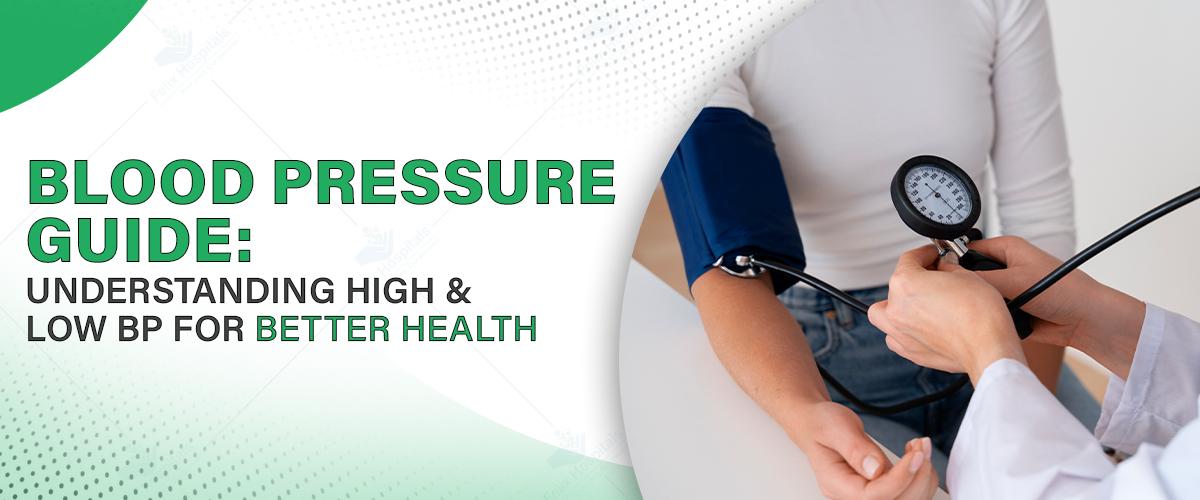
One of the most important signs of good health is blood pressure. It tells you how hard your blood is pushing against the walls of your arteries . If your blood pressure is too high or too low, it can hurt your vital organs and make you much more likely to have life-threatening complications. The Most Recent New Blood Pressure Guidelines say that the key to avoiding problems like heart disease, stroke, and kidney damage is to know and control your blood pressure numbers.
If you need expert advice, early treatment, and a diagnosis, getting to the best hospital, experienced cardiologists, and a good bp specialist doctor near me is the best way to stay healthy for a long time. By providing high-tech equipment and patient-focused care, the Best Cardiology Hospital in Noida enables people to access the treatment effortlessly.
Keep your heart safe, book a BP checkup now: +91 9667064100.
To properly read High and Low BP for Better Health, you need to know what the two digits indicate:
Systolic Pressure (Upper Number): Measures pressure in your arteries when your heart is pumping.
Diastolic Pressure (Lower Number): Records pressure when your heart is resting between beats.
Ideal Blood Pressure: Below 120/80 mm Hg
High Blood Pressure (Hypertension): 130/80 mm Hg or higher
Low Blood Pressure (Hypotension): 90/60 mm Hg or lower
Hypertension is when blood pressure against artery walls is always elevated. This, in the long run, damages blood vessels and adds extra load to the heart.
Health Risks
Stroke and heart attack
Kidney disease
Vision problems
Aneurysm (weakening of arteries)
Hypertension is frequently referred to as the "silent killer" because the majority of individuals do not demonstrate any symptoms until complications develop. In severe cases, patients might feel:
Severe headaches
Distorted vision
Shortness of breath
Follow a healthy heart diet.
Maintain a healthy weight.
Exercise for at least 30 minutes each day.
Limit salt consumption and not consume processed foods.
Quit alcoholic beverages and quit smoking.
Follow prescribed medications as advised by your doctor.
Hypotension is when your blood pressure drops too low to supply organs with sufficient oxygen.
Fainting or dizziness
Weakness and fatigue
Nausea
Double vision
Cold wet skin
Dehydration
Blood loss
Cardiovascular conditions
Some drugs
Nutritional deficiencies
Drink lots of fluids.
Increase the amount of salt in your diet (if advised by a doctor).
Wear compression stockings to improve circulation.
Treat underlying conditions like anemia or hormonal imbalance.
In severe cases, medication may be required.
Check Regularly: Take your blood pressure every day to detect early increases and decreases. Home-monitoring devices can prove to be a blessing.
Eat a Balanced Diet: Even slight weight reduction will have a remarkable impact on the blood pressure levels.
Eat Smart: Highlight whole grains, fruits, vegetables, lean proteins, and potassium-rich foods. Limit foods with added salt and sugar.
Exercise Daily: Get at least 150 minutes per week of brisk walking, cycling, swimming, or yoga.
Manage Stress: Practice deep breathing, meditation, or mindfulness. Stress is one of the biggest causes of blood pressure fluctuations.
Quit Alcohol and Quit Smoking: They both cause arterial injury and increase hypertension.
Normal BP (<120/80 mm Hg): Maintain a healthy lifestyle.
Elevated BP (120–129/<80 mm Hg): Adopt heart-healthy practices to prevent escalation.
Hypertension Stage 1 (130–139/80–89 mm Hg): Lifestyle change; drug therapy if another risk factor(s) is/are also present.
Hypertension Stage 2 (≥140/90 mm Hg): Requires drug treatment and lifestyle modification.
Severe Hypertension (>180/120 mm Hg): Recheck after 1 minute. If persistently high, seek medical care at once.
If your blood pressure is above 180/120 mm Hg and you have:
Chest pain
Difficulty breathing
Sudden vision disturbances
Numbness or weakness
Speech difficulty
Call emergency services at once
This is a hypertensive emergency and could be dangerous.
Both high and low blood pressure can have a serious effect on cardiovascular health. Hypertension is dangerous for arteries and can cause heart attack and stroke, while hypotension lowers blood pressure and oxygen supply to organs. Complications can be avoided by making people aware, regular checking, and consulting a bp specialist doctor nearby for proper treatment.
Felix Hospitals has earned a reputation for delivering exceptional cardiovascular care. Equipped with advanced diagnostic equipment, seasoned cardiologists, and comprehensive treatment plans, Felix is the best high blood pressure treatment hospital in Noida, offering specialized solutions for patients with both high and low blood pressure. The hospital provides preventive health check-up packages, emergency care in case of hypertensive crisis, and long-term treatment for chronic conditions. Felix has an integrated approach—including lifestyle, diet, and emotional health in addition to medical treatment. With round-the-clock services, upfront costs, and patient-focused care, Felix has emerged as a go-to option for people seeking to keep healthy blood pressure and a healthy heart.
Call +91 9667064100 for expert guidance on BP and heart health.
Blood pressure control is all about balance. Neither high nor low should be neglected, as both are serious. By knowing the blood pressure, making lifestyle changes, and getting early medical attention, you can not only have Better Health but also protect your long-term health. Regardless of whether your age is 40s, 60s, or higher, the control of blood pressure is the answer to keeping away from heart disease and a healthier, longer life.
Q1. Is my health equally affected by both high and low blood pressure?
Ans: Yes. High blood pressure (hypertension) raises your risk of heart attack, stroke, and kidney problems. Low blood pressure (hypotension) can make you dizzy, faint, and damage your organs if you don't get it treated.
Q2. When should I go see a doctor near me?
Ans: If you have consistently high or low blood pressure, fainting, severe headaches, chest pain, or blurred vision, you should see a blood pressure specialist doctor near me. If your blood pressure suddenly rises above 180/120 mm Hg, you should see a doctor right away.
Q3. How can Felix Hospital help me keep my blood pressure under control over time?
Ans: Felix Hospital has some of the best cardiologists in Noida who offer full care, including regular checkups, advanced tests, diet and lifestyle advice, and personalized treatment plans. Patients get both preventive care and help with managing their health over the long term.
Q4. Do health checkup packages include checking their blood pressure?
Ans: Yes. Felix offers health check-up packages that include regular blood pressure checks, cholesterol tests, ECGs, and other heart screenings to find and stop problems before they get worse.
For those experiencing such symptoms, seeking care from the best hospital for pulmonology treatment in Noida ensures you receive timely and expert diagnosis and treatment.
In Noida hospitals, recognized for being among the best heart health hospitals in Noida, are at the forefront of offering critical care for heart-related issues.
In Noida hospitals, recognized for being among the best heart health hospitals in Noida, are at the forefront of offering critical care for heart-related issues.

Subscribe to our
© Copyright 2026. All Rights Reserved by Felix Healthcare Private Limited
Design and development by :


 +(91)9667064100
 Emergency : +(91)9667064100