 Emergency:
  WhatsApp


Subscribe to our

Kidneys play a vital role in filtering waste products from the blood, maintaining electrolyte balance, and supporting overall health. Creatinine levels in the blood are a key marker for kidney function. Elevated creatinine often signals impaired kidney function, dehydration, or other underlying conditions. Understanding why creatinine levels increase in blood, recognizing warning signs, and seeking professional care in Noida is crucial for preventing serious complications.
Take control of your kidney health. Call +91 9667064100 to schedule a nephrologist appointment
Creatinine is a waste product produced by muscles during normal metabolism. The kidneys filter creatinine from the bloodstream and excrete it through urine. When kidney function declines, creatinine levels in the blood rise, serving as an early indicator of potential kidney issues. Monitoring these levels regularly helps detect kidney problems before they progress, allowing timely intervention.
Elevated creatinine can result from various factors. Understanding common reasons for high creatinine is essential for accurate diagnosis and treatment:
Kidney disease: Conditions like chronic kidney disease (CKD) reduce filtration efficiency.
Dehydration: Insufficient fluid intake concentrates creatinine in the blood.
Medications: Drugs such as NSAIDs, certain antibiotics, and chemotherapy agents can increase creatinine temporarily.
High-protein diet: Excessive protein consumption raises creatinine production in muscles.
Muscle injury or intense exercise: Muscle breakdown releases creatinine into the bloodstream.
Identifying the root cause helps nephrologists tailor an effective treatment plan and prevent further kidney damage.
Early stages of elevated creatinine may not produce noticeable symptoms. However, persistent high levels can manifest as symptoms of high creatinine:
Fatigue and generalized weakness
Swelling in legs, ankles, or around the eyes (edema)
Shortness of breath due to fluid retention
Nausea, vomiting, or loss of appetite
Changes in urination frequency, color, or volume
Recognizing these symptoms and consulting a specialist promptly is essential for preventing progression to severe kidney disease.
Elevated creatinine is not just a lab value—it affects multiple systems in the body. Persistent high creatinine can lead to:
Cardiovascular stress: High creatinine is associated with hypertension and heart complications.
Electrolyte imbalance: Kidney dysfunction can disrupt sodium, potassium, and calcium levels.
Fatigue and reduced energy: Waste buildup affects muscle and neurological function.
Increased risk of chronic kidney disease progression: Untreated high creatinine accelerates renal damage.
Understanding these risks emphasizes the importance of timely evaluation and treatment by a kidney specialist near me.
Proper diagnosis is the first step in managing creatinine levels treatment and prevention:
Blood tests: Serum creatinine and estimated glomerular filtration rate (eGFR) measure kidney function.
Urine tests: Detect protein, blood, or creatinine clearance abnormalities.
Imaging studies: Ultrasound, CT scan, or MRI can reveal structural kidney issues.
Medical history evaluation: Includes medications, diet, hydration status, and family history.
These evaluations allow nephrologists to determine the underlying cause and plan a personalized treatment strategy.
Alongside medical management, lifestyle interventions help reduce creatinine levels naturally:
Adequate hydration: Drinking sufficient water helps flush out creatinine and support kidney function.
Balanced diet: Limit excessive protein, salt, and processed foods. Focus on fruits, vegetables, and whole grains.
Avoid nephrotoxic substances: Reduce or avoid NSAIDs, certain antibiotics, and unprescribed supplements.
Moderate exercise: Maintain fitness without overexerting muscles.
Lifestyle adjustments: Avoid smoking, limit alcohol, and manage stress for overall kidney health.
These measures complement medical treatment and support long-term kidney health.
When creatinine levels remain elevated, professional intervention is essential. Creatinine levels treatment and prevention may involve:
Medication adjustments: Stop or replace drugs that impair kidney function.
Treatment of underlying conditions: Manage diabetes, hypertension, and urinary tract obstructions to protect kidneys.
Dialysis: Required in severe cases with significant kidney impairment.
Surgical interventions: For structural abnormalities or obstruction-related kidney damage.
Regular follow-up: Monitor lab results and adjust treatment as needed.
Early consultation with a nephrologist appointment near me ensures effective treatment and reduces risk of complications.
Preventing high creatinine is easier than treating advanced kidney issues. Key preventive steps include:
Routine check-ups: Annual kidney function tests to detect abnormalities early.
Hydration: Maintain consistent fluid intake throughout the day.
Healthy diet: Focus on natural foods, moderate protein, and low sodium intake.
Regular exercise: Gentle, consistent physical activity supports overall kidney and heart health.
Avoid harmful medications and substances: Limit alcohol, avoid smoking, and use medications under supervision.
Proactive care helps maintain stable creatinine levels in the blood and reduces the risk of chronic kidney disease.
Visiting a specialized hospital in Noida ensures expert management of elevated creatinine. Hospitals provide:
Advanced lab facilities and imaging for accurate diagnosis
Experienced nephrologists and multidisciplinary care teams
Personalized treatment plans tailored to each patient’s medical history
Post-treatment monitoring and guidance on lifestyle changes
Felix Hospital offers world-class nephrology services, ensuring comprehensive care for patients with high creatinine levels, from diagnosis to long-term management.
Patients with high creatinine should undergo regular monitoring to prevent deterioration. Important steps include:
Routine blood tests including serum creatinine and eGFR
Tracking dietary intake, hydration, and lifestyle changes
Regular consultation with a kidney specialist near me
Early intervention if symptoms such as swelling, fatigue, or urination changes appear
Consistent monitoring ensures early detection of kidney complications and supports long-term wellness.
After medical intervention, lifestyle adjustments play a critical role in maintaining healthy creatinine levels:
Continue a balanced, kidney-friendly diet
Maintain adequate hydration daily
Avoid strenuous exercise that can stress muscles and elevate creatinine
Follow up regularly with nephrologists for ongoing evaluation
Educate family members about kidney health for long-term prevention
These strategies help patients maintain kidney function and improve quality of life after treatment.
Don’t wait to protect your kidneys. Call at +91 9667064100 to consult a top nephrologist today
High creatinine is a warning signal of potential kidney issues that should not be ignored. Understanding why creatinine levels increase in blood, recognizing symptoms of high creatinine, and seeking expert care from nephrologists ensures timely intervention. Combining medical treatment with lifestyle changes to lower creatinine naturally supports long-term kidney health. Hospitals like Felix Hospital provide advanced nephrologist care in Noida, including diagnosis, treatment, and post-treatment guidance for patients of all ages. Timely action can prevent complications and preserve kidney function for years to come.
Q1: What are the common causes of high creatinine levels?
Ans. Common causes include kidney disease, dehydration, medications, high-protein diets, and muscle injury.
Q2: Can creatinine levels be reduced naturally?
Ans. Yes, through hydration, diet modifications, moderate exercise, and avoiding nephrotoxic substances.
Q3: How often should I get my creatinine checked?
Ans. Routine testing is recommended every 6–12 months for healthy individuals and more frequently for those with kidney conditions.
Q4: Are there medications that specifically lower creatinine?
Ans. No direct medications exist; treatment focuses on managing underlying conditions and protecting kidney function.
Q5: When should I see a nephrologist?
Ans. Consult a nephrologist if creatinine levels remain high, symptoms like swelling or fatigue appear, or if you have chronic kidney-affecting conditions.

Obesity and excessive sugar consumption are widely recognized as major contributors to diabetes, heart disease, and high blood pressure.

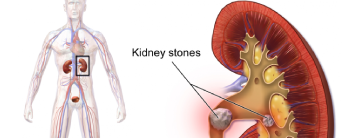
Find out the best methods to pass kidney stones quickly, ease pain, and protect your kidneys with proven home remedies and advanced treatment options.


Subscribe to our
© Copyright 2026. All Rights Reserved by Felix Healthcare Private Limited
Design and development by :


 +(91)9667064100
 Emergency : +(91)9667064100