 Emergency:
  WhatsApp


Subscribe to our

A hepatic hemangioma is the most common benign liver tumor, typically discovered incidentally during imaging tests for other conditions. These tumors are formed from a cluster of blood vessels in the liver and are usually non-cancerous. Most people with hepatic hemangiomas remain asymptomatic throughout their lives, but larger tumors can cause discomfort, pain, or complications that require medical attention.
Early consultation with a liver tumor doctor in Noida ensures proper assessment, monitoring, and intervention if necessary. With modern imaging and surgical techniques, hepatic hemangioma management is safe, effective, and associated with excellent recovery rates.
Access expert hepatic hemangioma surgery in Noida with modern facilities and safe care. Call +91 9667064100 now.
A hepatic hemangioma is a mass in the liver made of tangled blood vessels. Unlike malignant tumors, it does not spread to other organs or develop into cancer. These tumors vary in size, from a few millimeters to several centimeters, and their growth is typically slow.
Most small hemangiomas do not require treatment and are only monitored through periodic imaging studies. However, larger hemangiomas or those causing symptoms require careful evaluation and sometimes surgical intervention. Residents in Noida seeking evaluation for hepatic hemangioma surgery in Noida can benefit from specialized liver care centers that provide advanced imaging, diagnostics, and surgical expertise.
As a benign liver tumor hemangioma, this condition usually poses minimal risk to overall health. Most patients are unaware of its presence until discovered during routine imaging. However, complications can arise if the tumor grows large enough to compress surrounding structures or if it ruptures.
Even though benign, a large hemangioma may cause abdominal discomfort, fullness, or bloating. Consulting a liver tumor doctor in Noida ensures a personalized approach to monitoring and managing the tumor safely, avoiding unnecessary interventions while preventing potential complications.
The exact what causes hepatic hemangioma is not fully understood, but several factors may contribute:
Congenital vascular malformations: Many hemangiomas are present from birth, though they may remain undetected for years.
Hormonal influences: Estrogen can stimulate growth, making women more prone to developing larger hemangiomas.
Genetic predisposition: Rare familial cases suggest a possible hereditary link.
Knowing these factors helps liver tumor doctors in Noida determine the risk, guide monitoring strategies, and plan interventions if needed.
Most hepatic hemangiomas are asymptomatic, but hepatic hemangioma symptoms can develop when the tumor is large or presses on nearby structures. Symptoms may include:
Pain or discomfort in the upper right abdomen.
Feeling of fullness after small meals.
Nausea or mild digestive disturbances.
Rarely, jaundice if the hemangioma compresses bile ducts.
Fatigue or general malaise in cases of very large tumors.
Noticing these symptoms should prompt residents to consult a liver tumor doctor in Noida to rule out other liver conditions and assess the need for intervention.
Accurate hepatic hemangioma diagnosis requires a combination of imaging tests and laboratory evaluations:
Ultrasound: Often the first step in detecting liver masses.
CT Scan: Helps determine size, location, and vascularity of the tumor.
MRI: Provides detailed imaging to distinguish hemangiomas from malignant liver lesions.
Blood Tests: Assess liver function and rule out other hepatic disorders.
Follow-up Imaging: Monitoring hemangiomas over time is essential for safe management.
Residents of Noida seeking diagnosis should consult a hepatic hemangioma surgery in Noida center to ensure expert assessment and accurate interpretation of imaging results.
Treatment is generally unnecessary for small, asymptomatic tumors. When to treat hepatic hemangioma depends on factors such as:
Tumor size exceeding 5–10 centimeters.
Rapid growth observed in follow-up imaging.
Presence of symptoms like abdominal pain, bloating, or nausea.
Rare complications such as rupture or bleeding.
Early consultation ensures appropriate decision-making. Residents of Noida can rely on specialized hepatic hemangioma surgery in Noida centers for timely intervention and monitoring.
The treatment approach depends on tumor size, symptoms, and patient health:
Small, asymptomatic hemangiomas are typically observed with periodic imaging. This approach avoids unnecessary surgery while ensuring any growth is detected early.
Indicated for large or symptomatic hemangiomas. Procedures include:
Enucleation: Tumor removal while preserving surrounding liver tissue.
Partial Hepatectomy: Removing a liver segment if the hemangioma is extensive.
In select cases, laparoscopic surgery or embolization can manage the hemangioma while reducing recovery time.
Consulting a liver tumor doctor in Noida ensures the treatment plan is tailored to the patient’s unique condition, maximizing safety and effectiveness.
Though hepatic hemangiomas are benign, untreated or large tumors may lead to:
Spontaneous rupture and internal bleeding, which is rare but serious.
Compression of bile ducts, leading to jaundice.
Pressure on blood vessels, causing portal hypertension or other vascular issues.
Rare coagulopathy or clotting problems.
Timely assessment at a hepatic hemangioma surgery in Noida center helps mitigate these risks, ensuring patient safety and long-term liver health.
Before surgery, patients undergo thorough pre-operative evaluations:
Comprehensive blood tests to assess liver function and overall health.
Imaging studies to precisely map the tumor.
Consultation regarding medications, lifestyle adjustments, and anesthesia.
Planning for post-operative care, including diet, activity limitations, and follow-up schedules.
Proper pre-surgical preparation at a hepatic hemangioma surgery in Noida hospital improves outcomes and reduces complications.
Recovery after treatment involves:
Regular follow-up imaging to ensure complete removal and monitor for recurrence.
Liver function tests to assess post-surgical recovery.
Gradual return to normal activities, guided by medical professionals.
Nutritional counseling to support liver health and overall well-being.
A liver tumor doctor in Noida coordinates post-treatment care to ensure smooth recovery and minimize complications.
Even after successful treatment, maintaining liver health is crucial:
Monitor blood pressure and overall wellness.
Avoid alcohol and liver-damaging substances.
Maintain a healthy diet rich in antioxidants and nutrients.
Attend regular check-ups for liver function monitoring.
Long-term care and vigilance help prevent recurrence and ensure optimal liver function.
Selecting a qualified liver tumor doctor in Noida is essential for accurate diagnosis and effective management:
Experienced in both small and complex hemangiomas.
Affiliated with hospitals offering advanced surgical, imaging, and ICU facilities.
Provides comprehensive care from pre-operative preparation to post-operative rehabilitation.
Communicates clearly about treatment options, risks, and expected outcomes.
Access to a skilled specialist ensures safe treatment, reduces anxiety, and improves recovery quality.
Consult a trusted liver tumor doctor in Noida today for evaluation and treatment guidance. Call +91 9667064100.
Hepatic hemangioma is a benign liver tumor that is often asymptomatic but can cause complications in some cases. Understanding what is hepatic hemangioma, recognizing adrenal gland tumor symptoms, and knowing when to treat hepatic hemangioma is crucial for Noida residents. Consultation with a liver tumor doctor in Noida and access to specialized hepatic hemangioma surgery Hospital in Noida ensures accurate diagnosis, effective treatment, and long-term monitoring. Timely intervention and regular follow-up allow patients to maintain liver health, prevent complications, and achieve optimal recovery.
Q.1 What is hepatic hemangioma?
Ans. A benign liver tumor formed by a cluster of blood vessels, usually non-cancerous.
Q.2 What causes hepatic hemangioma?
Ans. Primarily congenital vascular malformations, hormonal influences, or rare genetic factors.
Q.3 When should I treat a hepatic hemangioma?
Ans. Treatment is considered for large, symptomatic, or complicated tumors.
Q.4 How is hepatic hemangioma diagnosed?
Ans. Through imaging tests such as ultrasound, CT scan, MRI, and blood tests.
Q.5 Can hepatic hemangioma be treated without surgery?
Ans. Yes, small and asymptomatic hemangiomas are monitored regularly, while surgery is reserved for problematic cases.
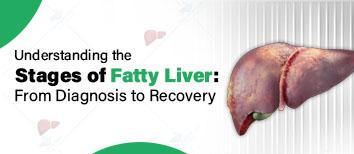
Understand how fatty liver develops, its key stages, and the steps needed for recovery. Early diagnosis and expert treatment can help reverse damage and restore liver function.

Expert liver treatment in Noida with advanced care and specialist doctors.
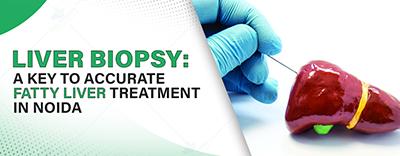
Liver biopsy is a crucial diagnostic tool for accurately detecting the stage and severity of fatty liver disease. It helps specialists in Noida tailor the most effective treatment plans, ensuring better liver health and long-term recovery.


Subscribe to our
© Copyright 2026. All Rights Reserved by Felix Healthcare Private Limited
Design and development by :


 +(91)9667064100
 Emergency : +(91)9667064100