 Emergency:
  WhatsApp

Subscribe to our
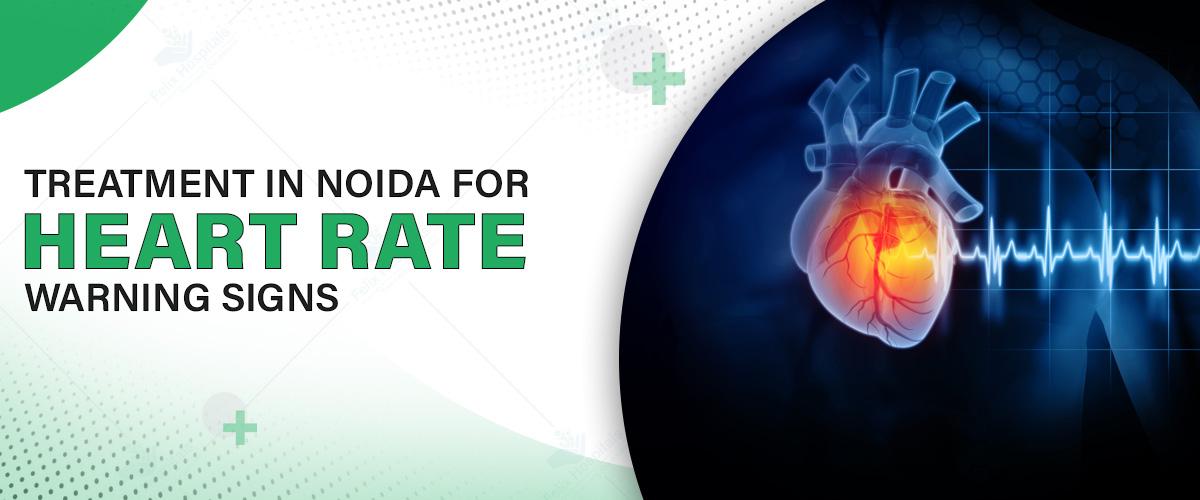
Having problems with heart rhythm may happen to any person, including both young adults and aged people, and early awareness of the warning signs will result in lives being saved. In case you have had sudden heartbeats, fluttering or palpitations, then you may be experiencing arrhythmia or any other heart rate disorder. Consultation of a heart specialist as early as possible in Noida and the most suitable top cardiologist in Noida to treat abnormal heart rate Noida is of absolute importance to be properly diagnosed and provided with permanent treatment. This manual discusses the red flags of abnormal heart rates, their causes, and the contemporary therapy in the renowned cardiac centers of Noida.
Feeling a fast pulse or feeling irregular heartbeats? Book an appointment with the heart doctor in Noida at +91 9667064100 due to the irregular heart-rate.
The heart is set to pump in a regular fashion - normally 60-100 beats per minute at rest. Heart Rate Warning Signs occur when the rhythm or speed becomes abnormal (too fast, slow, or irregular). The most frequent and problematic warning signs are:
Increased or fast heartbeat (tachycardia)
Slow heart rate (bradycardia)
Unexpected or irregular heart rhythms (arrhythmia)
Pain, pressure or discomfort in the chest.
Fainting or dizziness at any given moment.
Breathlessness, particularly with slight exercise.
Fatigue, weakness of unexplained origin.
As long as these symptoms are chronic or acute, they need immediate examination by a heart expert.
Heart Palpitations Causes range from benign to life-threatening. There are other times when they are the result of something as ordinary as anxiety, stress, high levels of caffeine intake, dehydration, or exercise. Nevertheless, they may also indicate concealed heart issues, such as:
Anemia or thyroid imbalance
Electrolytes imbalance (potassium, calcium, magnesium)
Too much alcohol or stimulant (energy drinks) consumption.
Side effects of drugs, particularly of asthma, cold, or allergies.
Predisposing heart disorders: Coronary artery disease, structural heart abnormalities, or heart failure.
The cause of tachycardia Noida can only be revealed and corrected by careful assessment by the most appropriate cardiologist.
The arrhythmia or irregular heartbeat is an indication that the heart is not beating in a typical manner. You may experience skips, additional beats or fluttering sensations. Irregular Heartbeat Signs to watch for include:
Distinct pauses or additional thumps in the chest.
Severe palpitations when sitting or lying on the bed.
Ankle, leg, or stomach distention.
Sudden collapse or fainting
Difficulty in breathing, particularly on lying down.
Recording the time you experience these symptoms, the time they last and the causes can assist your physician to identify the issue.
Arrhythmia Symptoms range from mild to severe. Most of the complaints are usually ignored until a big event such as fainting or stroke. Key symptoms include:
Constant cold, moist skin, rapid or slow pulse.
The decrease in blood pressure (lightheadedness or dizziness) suddenly.
Infrequently, convulsions or heart attacks.
Certain arrhythmias may be either sporadic, but in case of heart disease, diabetes, or the family history of rhythm disorders you are at risk.
An accurate diagnosis will require a mixture of clinical observations, physical examinations, and special tests:
ECG/EKG (measures electrical activity of the heart)
Holter monitor (24-48 hour ambulatory electrical monitoring)
Echocardiogram (ultrasound of the cardiac structure/function)
Blood tests (tests of imbalances, anemia, or thyroid disease)
Stress test (test of the heart response to physical exercise)
More advanced tests, including event recorders or cardiac MRI, may be also employed by the heart specialist in the case of abnormal heart rate in Noida with regard to chronic or unexplained symptoms.
Noida facilities provide up to date treatment of any form of rhythm issues, with approaches depending on the severity and cause of the rhythm issue:
Lifestyle Interventions: Caffeine/alcohol/stress/sleep.
Drugs: Beta-blockers, antiarrhythmics, or anticoagulants stroke prevention.
Device Therapy: Bradycardia pacemakers, dangerous arrhythmia defibrillators.
Techniques: Catheter ablation destroys the abnormal focus that brings about tachycardia or atrial fibrillation.
Surgery: Structural issues in cases of failure of minimal invasive therapies.
It is always aimed at restoring and preserving a healthy rhythm, minimizing such issues as stroke or heart failure, and enhancing the general quality of life.
The abnormal heart rate can be treated easier when detected at an early age as well as through prevention. Follow these guidelines:
Have normal blood pressure and cholesterol.
Work out routinely (as recommended by your cardiologist)
Avoid high intake of caffeine and dehydration.
Adhere to medication regimen.
Tachycardia Noida Check up with your best cardiologist regularly. Proactiveness will not only help in avoiding heart issues in the future but will also lower the chances of complications that may be life threatening.
Noida is a city with a huge number of multi-specialty hospitals in which specialists in electrophysiology, cardiology, and heart surgery work. By selecting an abnormal heart rate specialist in Noida, it implies the availability of:
Dramatic diagnostic and treatment technologies.
Individualized risk evaluation and management.
Knowledge in common and rare rhythm disorders.
Noida heart centers provide high quality patient-centered care, whether you are due to a few check-ups, a complicated device implant, or an elaborate arrhythmia treatment therapy.
Make a booking of an advanced arrhythmia test in the leading heart hospitals of Noida +91 9667064100.
An abnormal heart rhythm and arrhythmias are severe potentially silent dangers to the heart health. Referring to a specialist in heart conditions in Noida means that you have access to early heart rate abnormalities, advanced diagnostics, and effective treatment based on your needs. The tachycardia Noida cardiologist can find the best way to manage the symptoms, return the normal heart rhythms, and reduce the chances of having complications like stroke or heart failure. Never ignore persistent or troubling heart rate warning signs--early expert care is your best protection.
Q.1. What are the main heart rate warning signs I shouldn't ignore?
Ans. Palpitations without any explanations, chest pain, dizziness, or fainting are conditions that need emergency medical intervention.
Q.2. Why do healthy people experience palpitations of the heart?
Ans. It can be caused by anxiety, stress, too much caffeine or dehydration although it should always be ruled out as heart disease.
Q.3. What are the methods of diagnosis of irregular heartbeats?
Ans. Holter monitor is done with ECG, Holter, blood tests, and even through more advanced imaging by a heart specialist.
Q.4. Can arrhythmia symptoms improve with lifestyle changes?
Ans. Yes, sleep, exercise, and caffeine/alcohol restriction can be used; medication and procedures are also possible in some cases.
Q.5. When to refer to a cardiologist for tachycardia?
Ans. In case of quick, persistent, or repeated symptoms, or a family history of arrhythmias, a cardiac expert should be seen immediately.
A stent procedure can be life-saving for those with blocked arteries. This guide walks you through the stent experience—from the angioplasty process to post-procedure recovery and lifestyle changes.
Find the best cardiologist for your heart care with these essential tips and expert advice.
However, stress, sedentary lifestyle, chronic diseases such as diabetes and hypertension, and genetic factors place young individuals at risk of heart attack.


Subscribe to our
© Copyright 2026. All Rights Reserved by Felix Healthcare Private Limited
Design and development by :


 +(91)9667064100
 Emergency : +(91)9667064100