 Emergency:
  WhatsApp

Subscribe to our
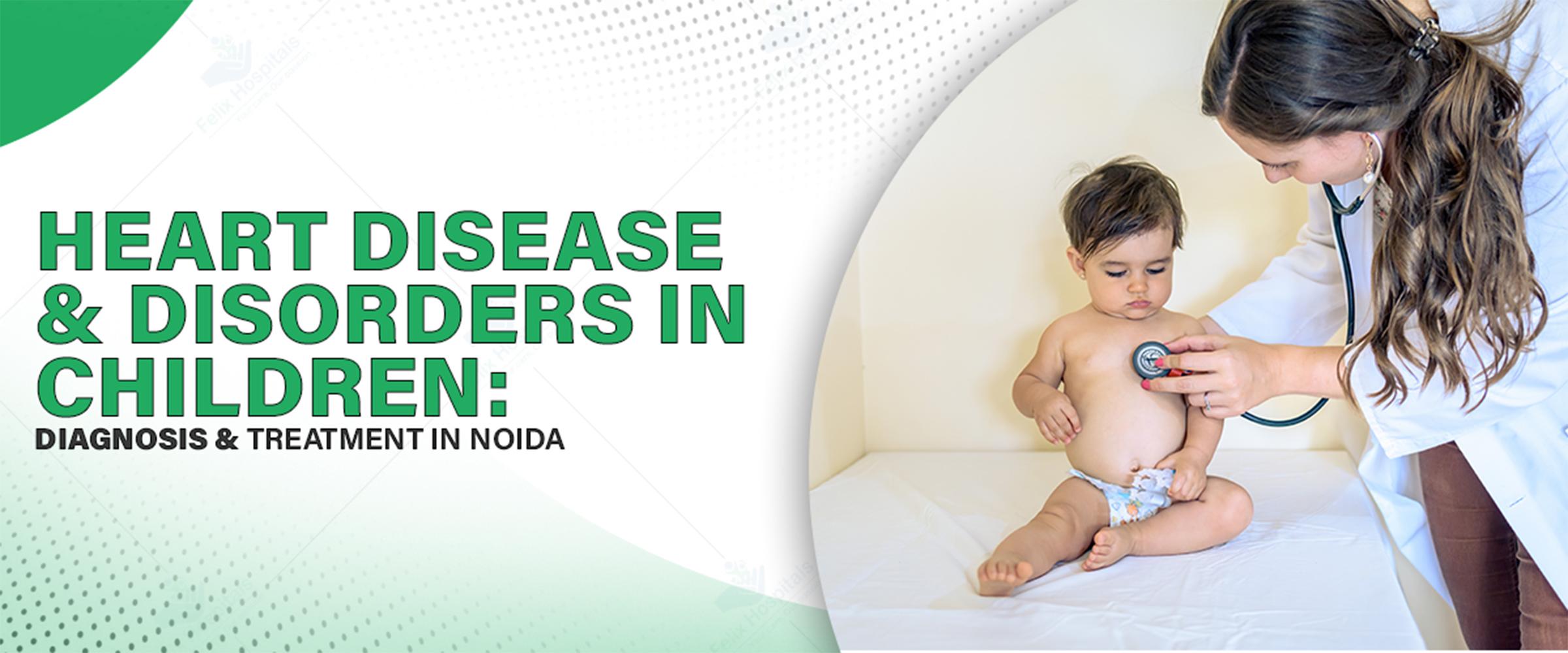
The diagnosis of child heart disease is a shock for any parent. Although we generally know heart disease to be associated with elderly people, Heart Disease and Disorders in Children are on the rise that require the same attention. They may either be congenital (born) or acquired and vary from mild transient issues to severe illnesses that need long-term management or surgery.
Thanks to advances in pediatric cardiology, early detection and successful treatment are not only feasible—today, they are more and more effective. For parents in Noida and the NCR, good healthcare has never been more accessible, thanks to elite hospitals and child heart specialists working in the city.
If you are a parent seeking information on your child's heart health, this comprehensive guide will enlighten you about the types, symptoms, diagnosis, and treatment avenues available—particularly in Noida, a center for cutting-edge pediatric cardiac care.
Book a consultation with a pediatric heart specialist in Noida — A lifetime of difference begins with early action. Call us today at +91 9667064100.
Pediatric heart disease encompasses a broad range of conditions affecting how a child’s heart develops or functions. Childhood heart conditions are mostly due to congenital defects or developmental abnormalities, while adult heart problems often result from lifestyle related issues like cholesterol, blood pressure, or smoking.
There are two primary categories:
Congenital Heart Disease (CHD): Structural defects in the heart at birth. CHD is the most frequent congenital defect, occurring in about 1 in every 100 live births.
Acquired Heart Disease: These are acquired after birth as a result of infection, autoimmune diseases, or other diseases. Although less frequent than CHDs, they can be just as severe and require immediate treatment.
Conditions such as valve malformations, abnormal heart rhythms, and inflammation of the heart muscle can all affect a child's ability to grow, play, and have an active life. Early recognition and appropriate management can significantly impact prognosis.
Knowing certain heart diseases in children helps parents understand what to look out for. The following are some of the most prevalent conditions:
A gap between the heart's upper chambers (atria), which may permit blood to travel in the wrong direction. Tiny ASDs can close spontaneously; larger ones will need surgery.
A defect in the wall between the heart's lower chambers. It is among the most usual congenital abnormalities.
A fetal blood vessel that doesn't close after birth, resulting in abnormal blood flow between the pulmonary artery and the aorta.
A serious condition with four defects in the heart. This is often treated early by surgery.
An inflammatory condition that predominantly occurs in children under the age of five, it can lead to inflammation in the blood vessels, including the coronary arteries.
Irregular heart rhythms may be caused by problems in the electrical system. Some are benign, but some can require medication or equipment such as pacemakers.
Often a complication of strep throat left untreated, this can lead to permanent damage to valves in the heart.
For any of these disorders, prompt child heart disease treatment in Noida can do a big difference. All hospitals here are well geared to detect, observe, and treat these disorders efficiently, reducing long-term consequences.
One of the biggest reasons heart conditions in kids are so hard to diagnose is that they may be subtle or mimic more common childhood illnesses. These are the warning signs parents must not ignore:
Bluish color to lips, tongue, or fingertips (cyanosis)
Difficulty breathing, particularly with feeding or activity
Poor weight gain or failure to thrive
Increased frequency of respiratory infections
Excessive sweating, particularly during feeding
Chest pain or feeling of tightness (in older children)
Fainting spells
Swelling of the legs, ankles, or stomach
Irregular or rapid heartbeats
If your child shows one or more of these symptoms, see a pediatric cardiologist right away. Complications in the future can be avoided with early intervention.
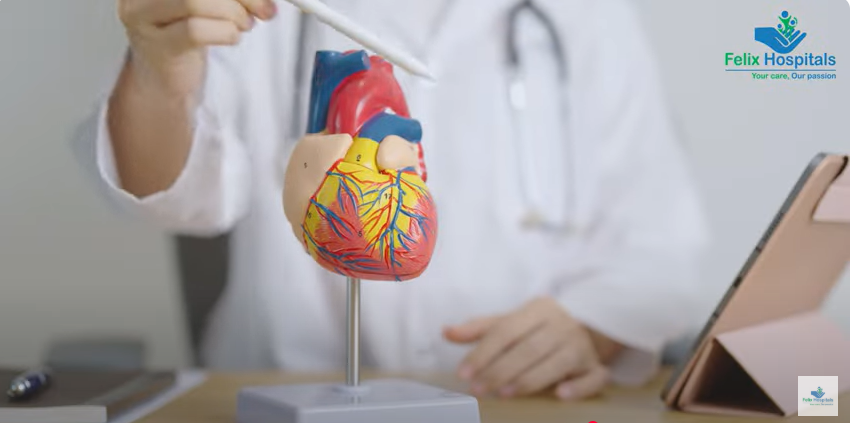
Pediatric cardiac diagnosis has become sophisticated and non-invasive. Early detection, particularly in infants or during pregnancy, is critical.
Most common diagnostic equipment includes:
Fetal Echocardiography: Can identify heart defects while the baby is still in the womb (as early as 18–22 weeks pregnant).
Echocardiogram (ECHO): Provides pictures of the heart and its chambers, valves, and vessels using sound waves.
Electrocardiogram (ECG or EKG): Takes measurements of the electrical activity of the heart.
Chest X-ray: Assists in identifying heart enlargement or fluid collection in the lungs.
Pulse Oximetry: It is a measure of oxygen levels in the blood that may indicate underlying heart problems.
MRI or CT Scan: It gives intense images of the structures of the heart.
Cardiac Catheterization: It is an invasive procedure employed when intricate treatment planning or accurate measurement is required.
The best cardiology hospitals in Noida have these facilities within a single premise, ensuring ease and fast turnaround for worried families.
Noida's healthcare scene has expanded exponentially, providing world-class diagnostic and treatment facilities for children with heart disease. Some of the key aspects are:
Special pediatric cardiology departments
Pediatric cardiac intensive care units equipped with high-end monitoring
Access to fetal cardiology programs for pregnant women
Interventional cardiology for non-surgical procedures
Multidisciplinary teams comprising pediatricians, cardiologists, surgeons, nutritionists, and psychologists.
Treatment plans vary according to the nature, severity, and age of the child. Technological and surgical advancements have greatly enhanced outcomes.
Options are:
Medications: To manage symptoms, cure infections, or correct heart rhythm.
Interventional Cardiology Procedures: Least invasive methods such as balloon angioplasty or device closure through catheterization.
Open-Heart Surgery: Needed for more complicated structural issues like TOF or serious VSD.
Pacemaker or Defibrillator Implantation: For rhythm disorders.
Lifestyle Modification & Rehabilitation: Long-term management involving diet, physical therapy, and emotional support.
If needed, parents may seek out Child heart surgery Noida in centers that have a reputation for pediatric cardiac excellence. The surgeons and ICU staff at these centers are specifically trained to care for infants and children, which helps recovery become less complicated and safer.
Early intervention tends to result in fewer complications, improved developmental outcomes, and increased survival. Even after treatment or surgery is successful, routine follow-up is crucial to:
Closely monitor heart function and valve operation
Tune drug therapy as required
Identify any long-term impact in early stages
Facilitate growth and developmental milestones
A majority of pediatric cardiologists in Noida provide systematic follow-up programs and online monitoring solutions for the convenience of patients.
A child on the heart patient list needs sustained care. In addition to the kind of medical care, psychological development and societal interaction support has also shown huge implications in the child's life. Here's what this calls for in families:
Counseling and therapy for psychological effects in kids
Parent education programs to inform on care at home
Nutritional counselling on maximizing growth and immunity
Education and sporting activity adjustments for every child depending on their condition
Support groups: Sharing experiences with other families on the same journey
Noida hospitals tend to provide these integral services all under one roof so that the whole family is taken care of.
Felix Hospital — trusted child hospital in Noida, delivering specialized pediatric care for newborns, infants, and children with compassion and excellence.
Felix Hospital — Best pediatric surgery in hospital in Noida, delivering specialized pediatric care for newborns, infants, and children with compassion and excellence.
Heart Disease and Disorders in Children can be intricate, but with modern medicine and the presence of experienced care experts in Noida, children with heart diseases have a good chance at achieving normal, healthy lives. If your child requires diagnosis, surgical repair, or ongoing management, early medical attention and a supportive setting can be the deciding factor.
Being a parent, your watchfulness, timely intervention, and faith in pediatric cardiac specialists are the ingredients that will make your child's future brighter, healthier, and better.
Felix Hospital — trusted pediatric hospital in Noida, delivering specialized pediatric care for newborns, infants, and children with compassion and excellence.
Q1. Is a hole in my child's heart likely to close by itself?
Ans: Small VSDs or ASDs can close themselves over time. Larger defects typically require surgery or catheter treatment depending on what the doctor finds.
Q2. Is it safe to do heart surgery on children in Noida?
Ans: Yes, renowned Felix Hospitals in Noida/Greater Noida have experienced pediatric heart surgeons and child-specific ICUs, ensuring surgery is safe and successful.
Q3. My child gets tired too easily when playing—might it be heart-related?
Ans: Yes, sudden tiredness can indicate a problem with the heart. A pediatric cardiologist's check-up is advised to ensure there are no issues.
Q4. Are diagnostic tests child-friendly at Felix Hospitals?
Ans: Yes, at the Felix Hospitals, there are painless, non-invasive procedures such as ECHO and ECG available in child-friendly environments with parental presence and sedation available if required.
During sleep, the body releases growth hormones, which are essential for a child's growth and development. Adequate sleep is vital for muscle development, tissue growth, and the overall physical health of a child.
Search the best hospital for your child in Noida the team of experienced pediatricians is dedicated to supporting parents and guiding children on their journey to a healthy life.
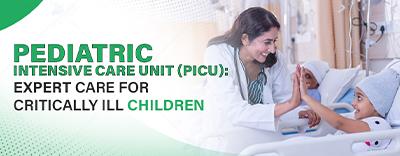
Pediatric Intensive Care Unit (PICU): Expert care for critically ill or injured children requiring constant monitoring and advanced life support. Our specialized team ensures round-the-clock treatment in a safe, child-friendly environment.
Heart disease is a significant health concern for women, often presenting unique challenges. Understanding the causes, symptoms, and treatment options is essential for early detection and effective management.

Subscribe to our
© Copyright 2026. All Rights Reserved by Felix Healthcare Private Limited
Design and development by :


 +(91)9667064100
 Emergency : +(91)9667064100